
Polycarbonate Prints Definition
Polycarbonate prints refer to objects created through 3D printing using polycarbonate, a high-performance thermoplastic. This material exhibits exceptional strength, heat resistance, and chemical resilience, making it suitable for industrial applications. Key design considerations include ensuring proper bed preparation and layer adhesion to mitigate warping. Ideal printing parameters require precise temperature control and speed management. Post-processing techniques, such as sanding and annealing, enhance the final product. Further exploration reveals the varied applications and advantages of polycarbonate prints.
Material Properties of Polycarbonate
Polycarbonate is a high-performance thermoplastic famous for its distinctive material properties, making it suitable for a wide range of applications.
Its chemical resistance allows it to withstand exposure to various industrial substances, ensuring longevity in demanding environments. Polycarbonate exhibits excellent dimensional stability, maintaining its form under fluctuating temperatures and conditions.
Its high-temperature endurance is remarkable, retaining structural integrity up to 150 ℃. With a unique combination of impact strength and rigidity, this material is ideal for robust applications, providing both durability and performance.
These properties make polycarbonate a preferred choice in multiple industries, including automotive and consumer electronics.
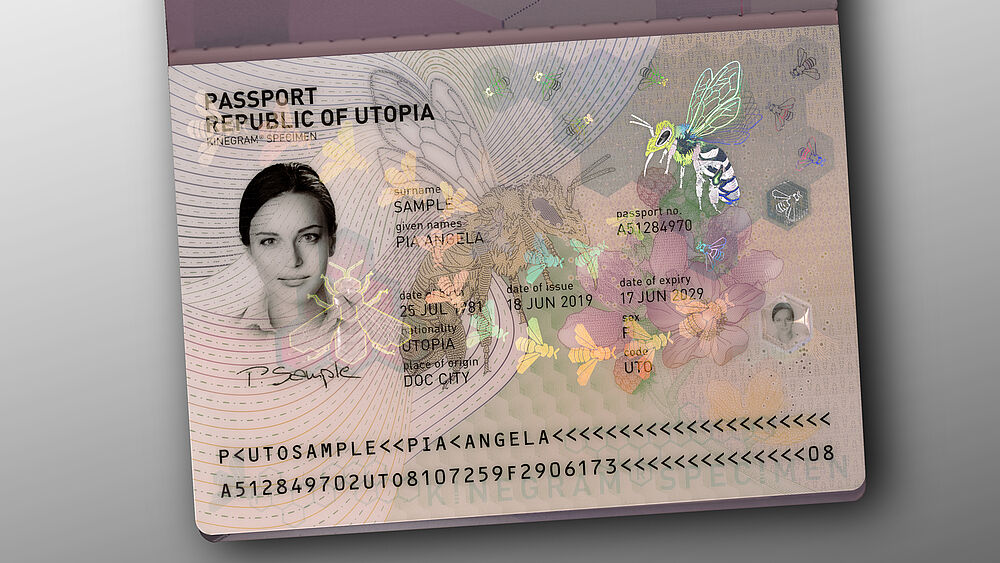
KINEGRAM for passport protection and passport authentication by kinegram.com
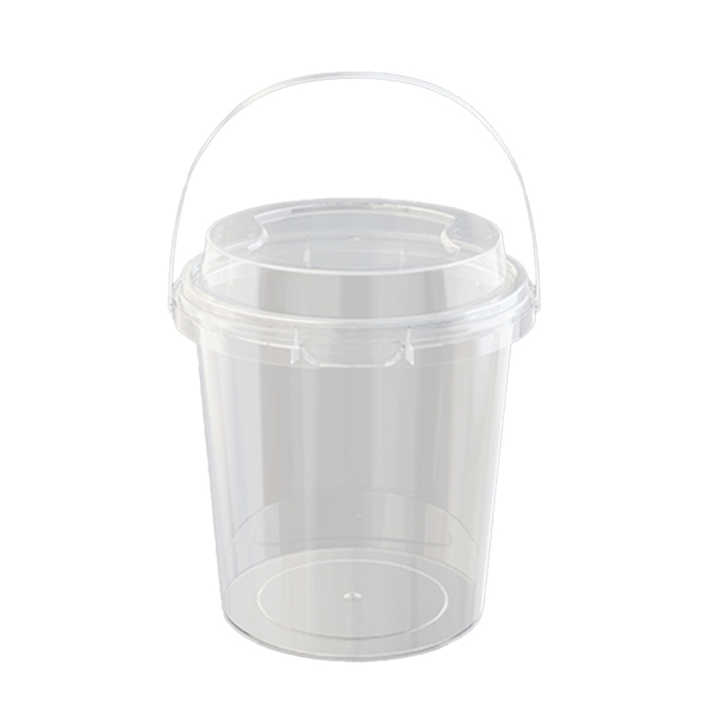
Custom Printed Logo Plastic With High/Flat Lid Cup Support Free ... by alibaba.com
Design Considerations for Polycarbonate Printing
Effective design considerations for polycarbonate printing are vital to achieving ideal results in various applications.
Custom polycarbonate printing requires careful attention to adhesion and bed preparation, including the use of adhesive aids and proper bed leveling. High-resolution vector graphics preparation guarantees accurate designs, while maintaining a moderate layer height of 0.15–0.25 mm balances detail and speed.
Custom polycarbonate printing demands meticulous bed preparation and high-resolution designs for optimal adhesion and print quality.
Designers should optimize wall thickness and avoid sharp corners to reduce stress points. Minimizing cooling fan usage and pre-heating the enclosure can prevent warping, thereby enhancing overall print quality.
Properly managing these factors is essential for successful polycarbonate printing outcomes.
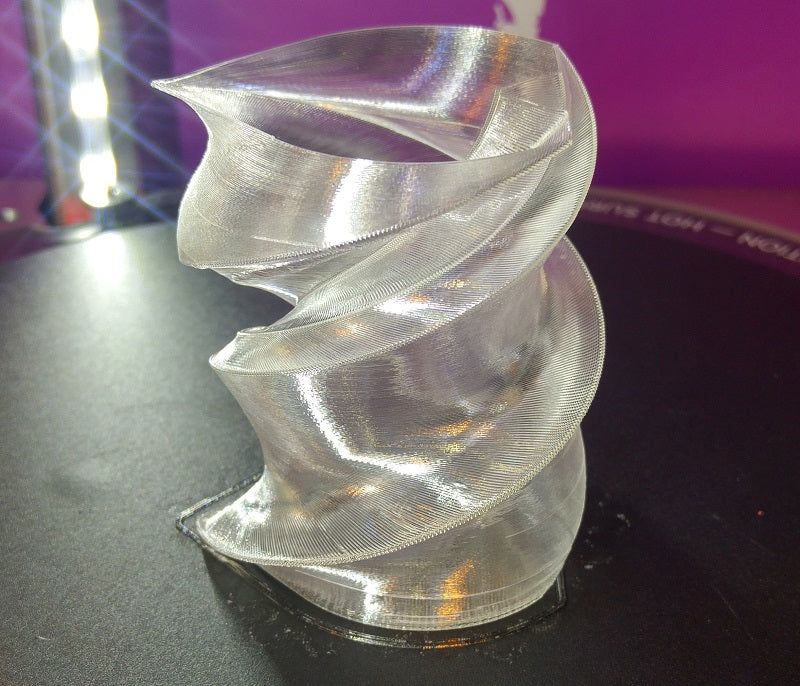
Polycarbonate 3D Printing: In-depth Guide by top3dshop.com
Optimal Printing Parameters for Polycarbonate
Achieving ideal printing parameters for polycarbonate is essential for guaranteeing high-quality results in various applications.
The nozzle temperature should range from 260 to 310°C, while a bed temperature of 145°C maximizes layer adhesion. An enclosed printer is recommended to maintain ambient conditions, and using hardened steel nozzles is beneficial due to polycarbonate’s abrasiveness.
For large format printing and specialty substrate printing, consistent volumetric flow and best print speeds of 25–60 mm/s enhance results.
Effective color matching for polycarbonate substrates guarantees accurate representation in digital UV printing, contributing to the overall quality of printed components.
Common Challenges in Polycarbonate 3D Printing
Challenges arise in the 3D printing process of polycarbonate due to its material characteristics and environmental requirements. The material exhibits warp susceptibility, necessitating careful temperature management.
Adhesion challenges often arise between layers, increasing the risk of delamination. Polycarbonate’s moisture sensitivity requires stringent storage conditions to prevent degradation and guarantee print quality.
A high temperature requirement, often exceeding 300 °C, mandates the use of specialized all-metal hotends. Also be aware that maintaining a heated enclosure and print bed at ideal temperatures is vital to mitigate warping and achieve successful prints, highlighting the complexity involved in polycarbonate 3D printing.
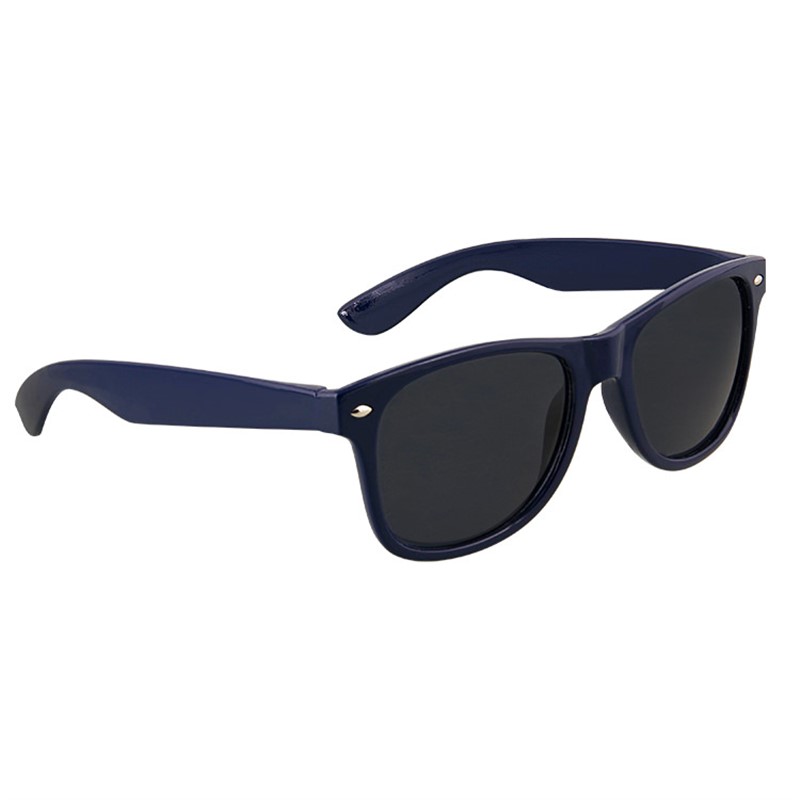
Custom Printed Sunglasses - Maui Sunglasses TSG134 by totallypromotional.com
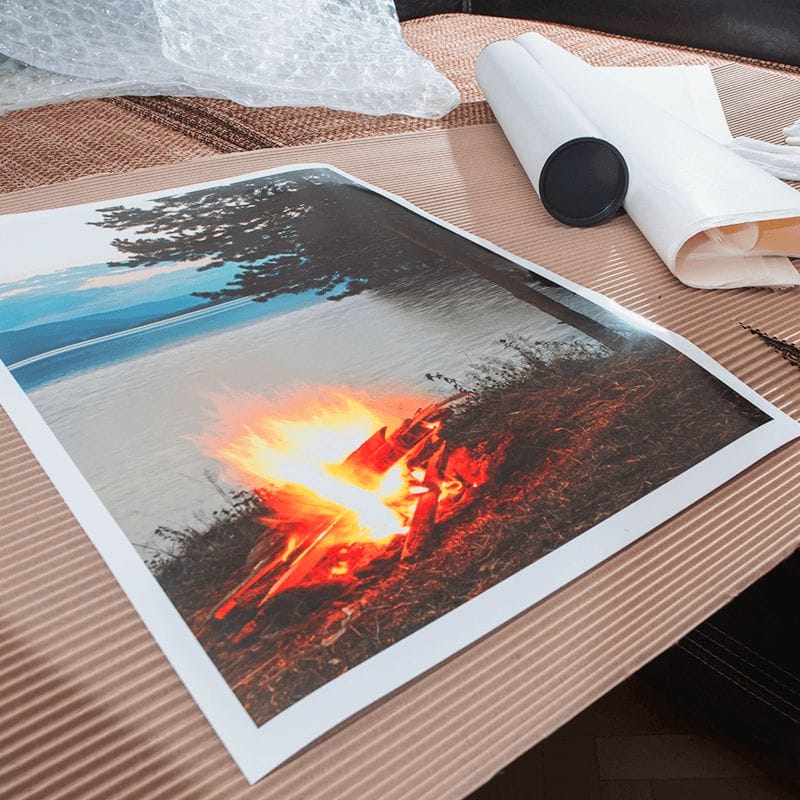
Protac Polycarbonate overlaminating film - DRYTAC by drytac.com
Effective Post-Processing Techniques
Post-processing techniques for polycarbonate prints are important for enhancing the quality and functionality of finished parts. Key methods include sanding to eliminate layer lines, starting with coarse grit and progressing to finer grits for a smooth finish.
While post-curing is generally unnecessary, annealing at 110-135°C can relieve internal stresses. A focus on layer adhesion is essential; proper nozzle temperature calibration guarantees strong interlayer bonding.
Ambient cooling and controlled humidity are significant to prevent warping. Employing clear coatings and avoiding acetone enhances durability, while gentle post-print heating can rectify minor surface imperfections without compromising material integrity.
Popular Wiki Terms:
Applications and Advantages of Polycarbonate Prints
Polycarbonate prints are recognized for their diverse applications across multiple industries, benefiting from the material’s unique properties.
In the automotive sector, they are utilized for dashboard components, enhancing durability and aesthetic appeal.
Polycarbonate is essential for automotive dashboard components, offering enhanced durability and aesthetic appeal.
For industrial equipment labeling, polycarbonate prints provide resilience against harsh environments, ensuring longevity. The material’s exceptional impact resistance makes it ideal for protective labels in demanding settings.
In consumer electronics branding, the clarity and strength of polycarbonate offer effective protection and visibility for devices.
Medical devices benefit from polycarbonate’s sterilizability and impact resistance, making it essential for surgical instruments and other critical applications.
These advantages underscore polycarbonate’s versatility and functionality across various fields, promoting efficiency and safety.
References & Data Sources:
https://www.kinegram.com/passports – Retrieved April 30, 2025
https://www.alibaba.com/product-detail/Clear-Fruit-Bucket-Cups-Custom-Printed_1601124061494.html – Retrieved May 2, 2024
https://top3dshop.com/blog/polycarbonate-3d-printing-in-depth-guide – Retrieved February 2, 2025
https://www.totallypromotional.com/maui-sunglasses.html – Retrieved April 25, 2025
https://www.drytac.com/product/protacpolycarbonate/ – Retrieved May 2, 2025
https://www.protolabs.com/materials/polycarbonate/ – Retrieved May 2, 2025