
Photo Enlargement Definition
Photo enlargement is a process that involves projecting negative or digital images onto a photosensitive medium to create larger prints. It enables the translation of small film negatives into high-quality enlargements for various applications, including fine art and personal decor. The technique has evolved from traditional darkroom methods to digital workflows. Key considerations include maintaining resolution, careful calibration, and the choice of printing methods. Understanding the nuances of this process reveals further insights into its technical and historical contexts.
Definition and Purpose of Photo Enlargement
Photo enlargement is a process that involves projecting a negative or digital image onto a photosensitive medium to create a larger reproduction. This technique is essential for translating small film negatives into viewable-sized prints, commonly utilized in large format printing.
Key components include a light source, negative carrier, and adjustable projection system, all aimed at maintaining detail preservation and minimizing distortion. High-resolution file preparation is critical, as quality considerations dictate that superior source material leads to better enlargements.
In the end, this process serves various applications, including fine art exhibits, forensic analysis, and personal home decor enhancements.
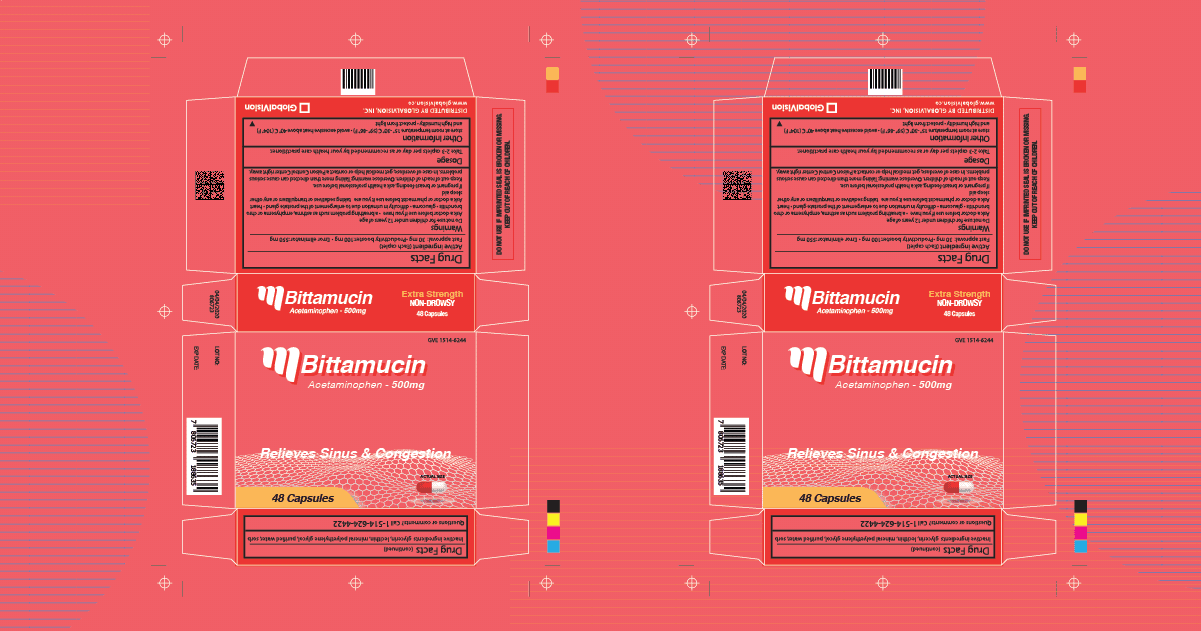
The Importance of Dielines in the Die-Cutting Process for Printed ... by globalvision.co
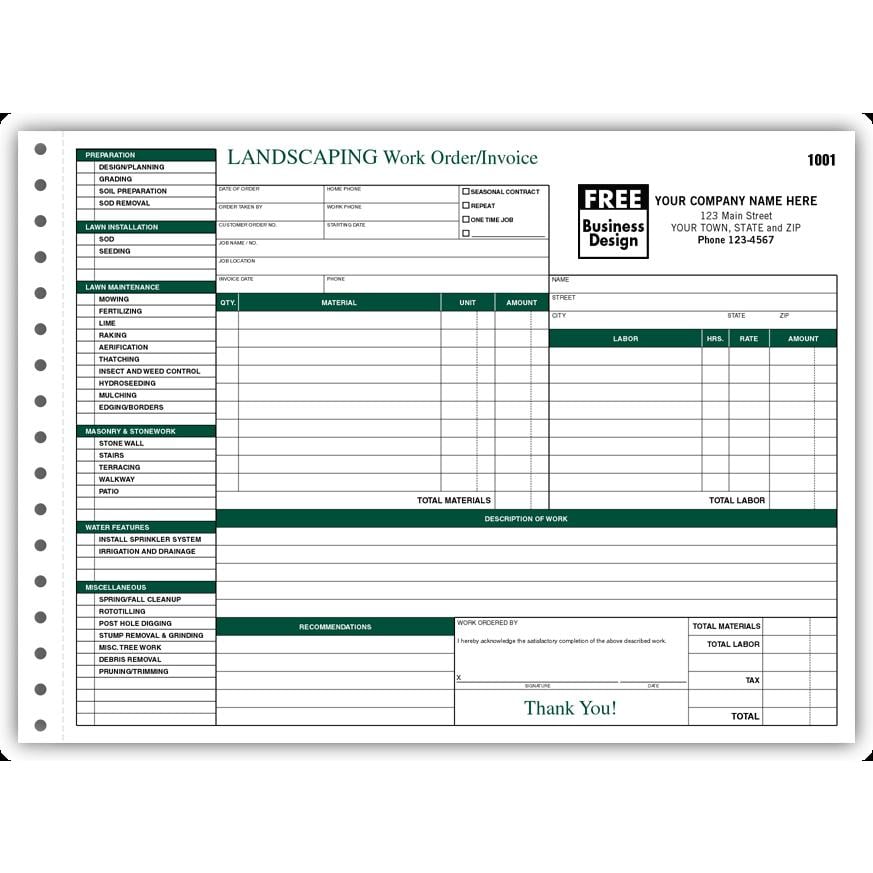
Lawn Care Work Order Printing by designsnprint.com
Historical Methods of Photo Enlargement
The evolution of photo enlargement techniques highlights significant advancements from the early 19th century. Initial attempts, such as Wolcott’s daguerreotype enlarger in 1843, faced impracticality and technical challenges.
The introduction of solar cameras in the mid-1850s provided a method for enlargements using sunlight. Early commercial demand emerged as studios offered enlargement services to cater to portrait needs.
The mid-1850s saw the advent of solar cameras, enabling studios to meet the growing demand for photo enlargements.
Nevertheless, limitations in light sensitivity and material fragility posed preservation considerations. As techniques evolved, innovations in paper negatives and gelatin printing improved enlargements, yet issues of consistency and degradation remained prevalent.
These historical methods laid essential groundwork for modern photo enlargement practices.
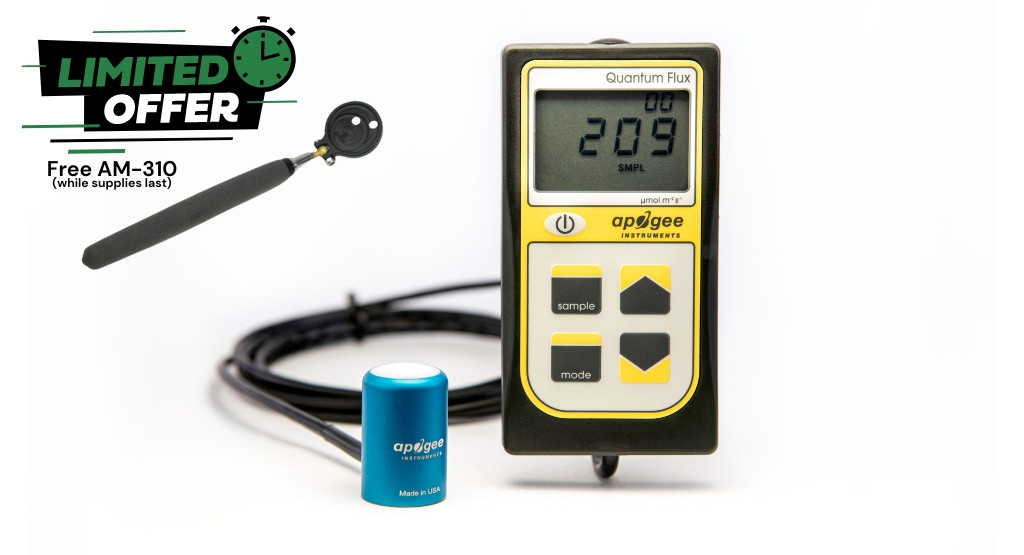
MQ-500 Full-spectrum Quantum Sensor by apogeeinstruments.com
Step-by-Step Process for Enlarging Photos
Enlarging photographs involves a systematic approach that varies based on the chosen method, whether traditional darkroom techniques or modern digital processes.
For traditional methods, users insert the negative into a carrier, adjust the enlarger height, and focus the image before setting exposure times.
In digital workflows, high-resolution files are uploaded, cropped, and sharpened, ensuring a resolution of at least 300 PPI.
Color calibration is essential, and proofing is required for color accuracy prior to final prints.
Ultimately, the choice of inkjet printing or other processes depends on the desired output, ensuring quality in the photo enlargement process.
Technical Methods Used in Photo Enlargement
Utilizing a variety of technical methods, photo enlargement can be achieved through both traditional and digital processes, each with distinct advantages.
Traditional methods involve darkroom techniques, using enlargers to project negatives onto photosensitive paper, while controlling light exposure and using chemical processing for stabilization.
Traditional techniques harness darkroom methods, utilizing enlargers to project negatives onto sensitive paper through controlled light exposure and chemical stabilization.
Digital methods employ software-based interpolation, such as bicubic algorithms and AI resampling, to enhance image quality.
For practical applications, wide-format printers and dye-sublimation processes enable a quick turnaround for short runs.
These technical approaches guarantee high-quality results suitable for various use cases, including retail displays and interior decor, while maintaining resolution and detail.
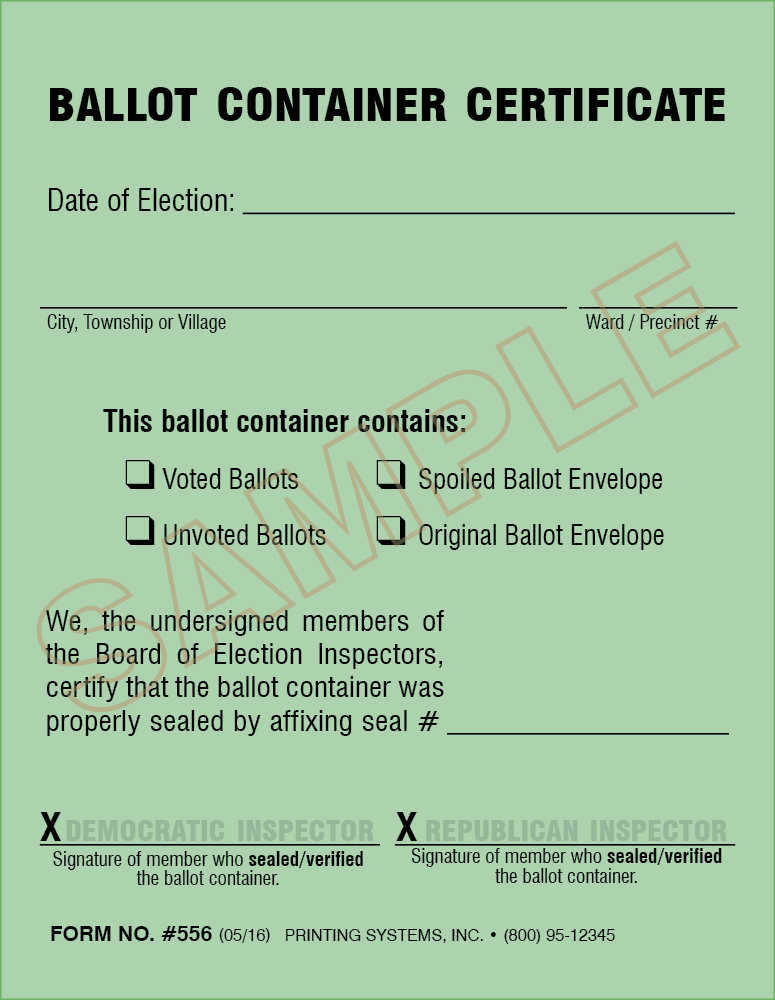
Printing Systems · 556 Ballot Container Certificate by printingsystems.us
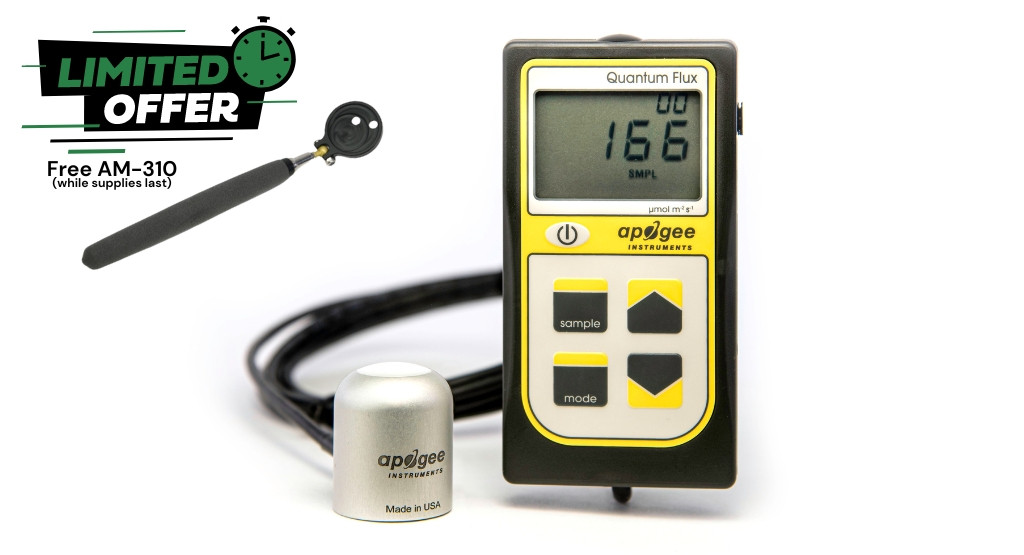
MQ-610 ePAR Meter by apogeeinstruments.com
Popular Wiki Terms:
Limitations and Challenges of Photo Enlargement
While photo enlargement offers various benefits, it also presents several limitations and challenges that must be considered. Enlarging images beyond their resolution can lead to pixelation, compromising visual quality.
High-resolution files are essential to meet resolution requirements, with a minimum of 150 DPI recommended for satisfactory print outcomes. Copyright violations may arise when using copyrighted images without permission, posing legal risks.
The aesthetic impact of enlarged prints is influenced by presentation choices, such as aspect ratios and white space. Handling large prints can be cumbersome, and the costs associated with quality materials and framing can be significant.
References & Data Sources:
https://www.globalvision.co/blog/what-is-a-dieline-in-printing-and-packaging – Retrieved April 30, 2025
https://www.designsnprint.com/printings/784-lawn-care-work-order.html – Retrieved May 2, 2024
https://www.apogeeinstruments.com/mq-500-full-spectrum-quantum-meter/ – Retrieved February 2, 2025
https://printingsystems.us/product/181 – Retrieved April 25, 2025
https://www.apogeeinstruments.com/mq-610-400-750-nm-epar-meter/ – Retrieved May 2, 2025