
Perfect Binding Definition
Perfect binding is a method for constructing softcover books by using adhesive to bind the pages together at the spine. This technique involves organizing interior pages into a block and roughening the spine edge to enhance glue adhesion. Thermal glue is commonly used, allowing for strong page security and a professional finish. It is frequently applied in magazines, corporate reports, and educational materials. Exploring further reveals details about equipment used and its advantages and limitations in various applications.
Definition and Process of Perfect Binding
Perfect binding is a prominent method for creating softcover books, characterized by the adhesion of pages and cover at the spine using a strong, flexible adhesive, typically thermal glue.
The process begins with organizing interior pages into a block, followed by roughening the spine edge to enhance glue adhesion. Glue is applied to the spine before attaching the cover, ensuring a professional appearance.
It is essential to take into account glue curing time to achieve ideal results. This binding technique is widely utilized in the publishing industry, offering an efficient solution for producing various publications, including catalogs and annual reports.
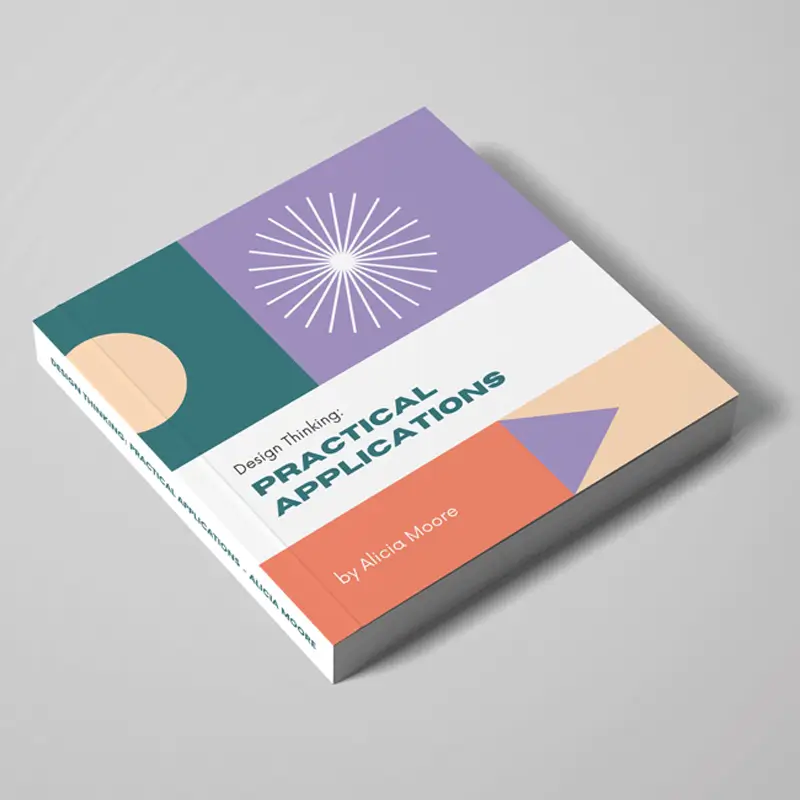
Perfect Bound Books by mixam.com
Bindery Machine Operator Resume Samples by qwikresume.com
Advantages of Perfect Binding
The advantages of utilizing perfect binding in the production of softcover books are numerous and significant.
This bookbinding service is cost-effective, making it an attractive option for publishing houses, corporate communications, and educational institutions.
Perfect binding provides a professional appearance, enhancing the perceived value of publications. Its strong glue secures pages effectively, suitable for high page counts and long-term use.
The flat spine allows for printing titles, improving visibility on shelves. Perfect binding accommodates various paper weights and finishes, offering design flexibility.
Fast production times further support its efficiency in meeting demanding printing schedules.

Booklet Printing by mixam.com
Common Applications of Perfect Binding
Common applications of perfect binding span various sectors, including publishing, corporate communications, and education.
This binding method is frequently employed for magazines and periodicals, ensuring durability and a polished appearance. In the corporate sector, annual reports benefit from the professional aesthetic perfect binding offers.
The educational sector utilizes perfect binding for student workbooks and course packets, providing a cost-effective solution for multiple page counts.
Marketing collateral, such as product guides and event programs, also makes use of this binding technique to create visually appealing materials that can withstand handling while maintaining a cohesive presentation.
Equipment Used in Perfect Binding
Equipment utilized in perfect binding encompasses a range of specialized machines designed to streamline the binding process.
Various equipment types in use include the DigiBinder Plus SG, Fastback Perfectback Strips, and the Fastbind Elite Tabletop Perfect Binding Machine.
These perfect binding machines offer operational advantages such as high volume capacity and user-friendly controls, facilitating efficient production.
Perfect binding machines provide high volume capacity and intuitive controls for streamlined and efficient production processes.
Essential supplies for perfect binding comprise specialized glue, covers, and roughing blades.
Features like automatic pneumatic clamping and adjustable gluing rollers enhance precision and durability, ensuring a strong bind.
This equipment collectively supports the needs of publishing houses and corporate communications effectively.
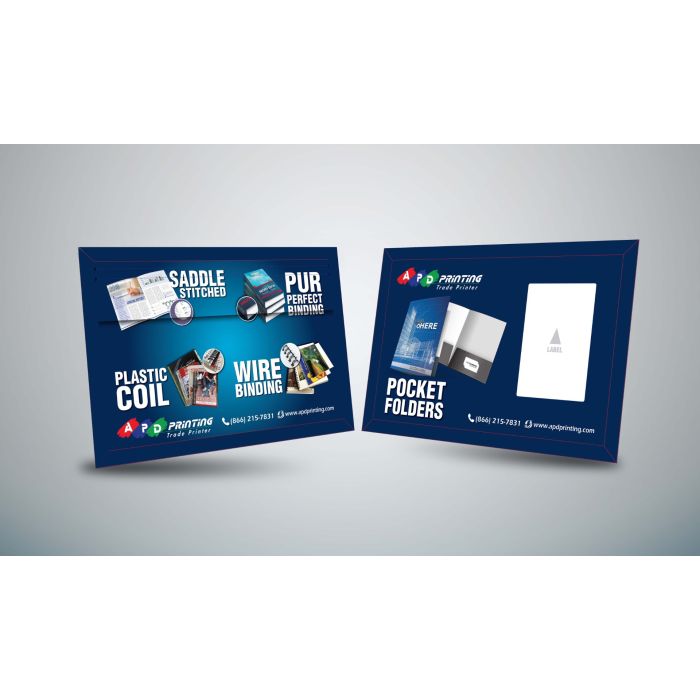
Free Sample Kit by tradeonlyfolders.com
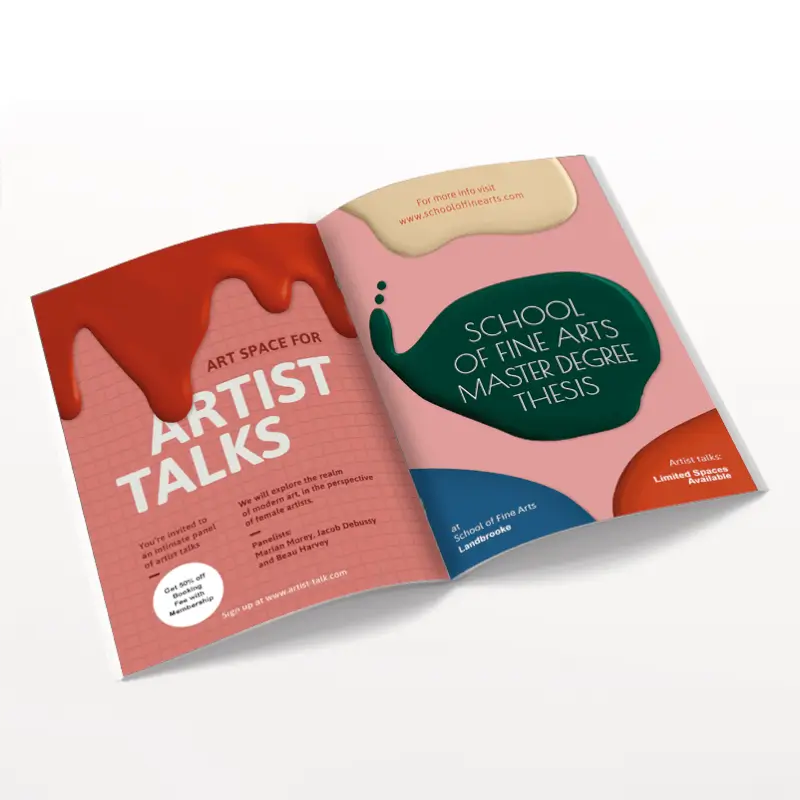
Saddle Stitch Booklet by mixam.com
Popular Wiki Terms:
Limitations of Perfect Binding
Limitations inherent in perfect binding can impact both the durability and functionality of bound materials.
Durability concerns arise as the glued spine is prone to cracking, leading to reduced longevity compared to other binding methods.
Reading experience limitations include difficulty in laying the book flat, which hampers hands-free reading.
Design constraints necessitate careful positioning of content near the spine to avoid loss of material.
While perfect binding is cost-effective for mass production, its structural limitations can compromise the overall presentation and usability of the final product, making it less suitable for complex or heavily illustrated works.
References & Data Sources:
https://mixam.com/perfectbooklets – Retrieved April 30, 2025
https://www.qwikresume.com/resume-samples/bindery-machine-operator/ – Retrieved May 2, 2024
https://mixam.com/booklets – Retrieved February 2, 2025
https://tradeonlyfolders.com/sk.html – Retrieved April 25, 2025
https://mixam.com/stapledbooklets – Retrieved May 2, 2025