
Parchment Paper Definition
Parchment paper is a heat-resistant kitchen material made from cellulose fibers, primarily derived from wood pulp. It is treated with silicone to create a non-stick surface, making it ideal for baking and cooking applications. Parchment paper can withstand temperatures up to 450°F (232°C) and is available in both bleached and unbleached forms. It is biodegradable and compostable, enhancing its environmental profile. Further exploration reveals additional details regarding its manufacturing, applications, and environmental considerations.
Definition and Composition of Parchment Paper
Parchment paper is a specialized paper product primarily composed of cellulose fibers, which are often derived from wood pulp through chemical processing. This product has evolved from traditional animal skin parchment to modern versions that exclusively use plant-based materials. It typically features high heat resistance, withstanding temperatures of up to 450°F (232°C). The non-adhesive characteristics of parchment paper prevent food from sticking, making it an essential tool in various cooking techniques. Additionally, non-stick properties are often achieved through treatment with coatings like silicone, enhancing its performance and usability in baking. It is available in both bleached and unbleached options, providing versatility for users who require specific aesthetic or functional attributes in their culinary endeavors. Parchment paper is also commonly used to line baking sheets and cake pans, which eliminates the need for greasing and simplifies cleanup. Also, it is advisable to select unbleached parchment paper to avoid potential health risks associated with harmful chemicals during cooking.
Photo & Art Print Old manuscript parchment Hebrew text ancient ... by ukposters.co.uk
Seth Apter by sethapter.com
Manufacturing Process and Coating Methods
The manufacturing process of parchment paper involves a series of precise steps that guarantee the final product meets stringent quality standards. Initially, cellulose fibers, often with a high cotton content, are formed into large sheets using rollers and water. Chemical treatments enhance durability characteristics and eliminate air pockets, improving heat resistance. The paper is designed to be heat resistant up to 450 degrees, making it suitable for various cooking methods. The presence of background music during the production process may help create a positive and engaging atmosphere for workers. Also, the quality of the raw materials used is crucial, as the selection of animal species can significantly impact the durability of the final parchment product. Subsequent coatings, typically silicone-based, provide non-stick properties essential for food applications. After each treatment, the paper undergoes multiple drying phases to remove excess moisture. Rigorous quality control measures, including high-resolution scanning and water resistance testing, ascertain that the final parchment paper meets required specifications for various uses.
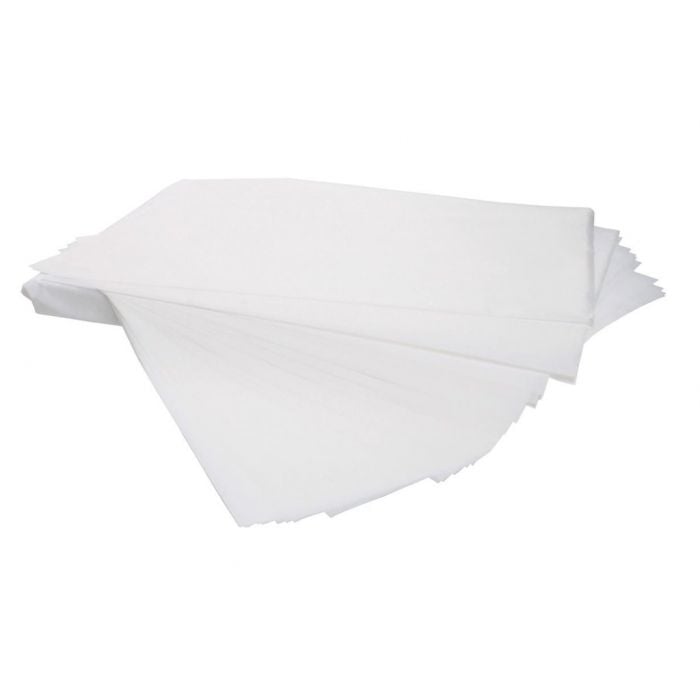
Silicone Curing Parchment Sheets for DTG by coastalbusiness.com
Key Applications and Uses of Parchment Paper
Utilizing parchment paper in various applications demonstrates its versatility and functionality across multiple domains.
In baking applications, it provides a non-stick surface that facilitates easy release of baked goods while ensuring consistent cooking results. Additionally, lining baking sheets with parchment paper not only simplifies clean-up but also enhances the visual appeal of your baked treats. Parchment paper’s non-stick quality also prevents cookie breakage, making it an excellent choice for delicate baked goods. Also, its moisture-resistant and grease-resistant properties help maintain the texture of baked goods, ensuring they stay fresh longer.
For food preparation and handling, parchment paper aids in rolling dough, wrapping meats, and preserving freshness, streamlining kitchen tasks.
In crafts and arts, it serves as a reliable base for projects, protecting surfaces and minimizing adhesive residue.
Its ability to support a variety of uses makes parchment paper an essential tool for both culinary and creative endeavors, enhancing efficiency and presentation.
Comparison With Wax Paper
A comparison between parchment paper and wax paper reveals significant differences in material composition and functionality, particularly in cooking applications.
Parchment paper, typically available in a paper weight of 24 to 80 lb, features a smooth finish enhanced by a silicone coating, providing heat resistance. Parchment paper can withstand temperatures up to 450 degrees Fahrenheit, making it ideal for high-heat baking. Additionally, parchment paper’s heat resistance allows it to be used for various cooking methods, unlike wax paper. Also, parchment paper is compostable but not recyclable, which makes it an eco-friendlier option compared to wax paper.
Conversely, wax paper is coated with paraffin or soybean-based wax, offering moisture resistance but lacking heat stability.
While both papers present non-stick surfaces, parchment paper’s versatility makes it superior for baking.
Users should note that wax paper is unsuitable for oven use, highlighting the distinct roles each paper plays in culinary endeavors.
Poster PNG Old parchment paper scroll sheet backgrounds document ... by abposters.com
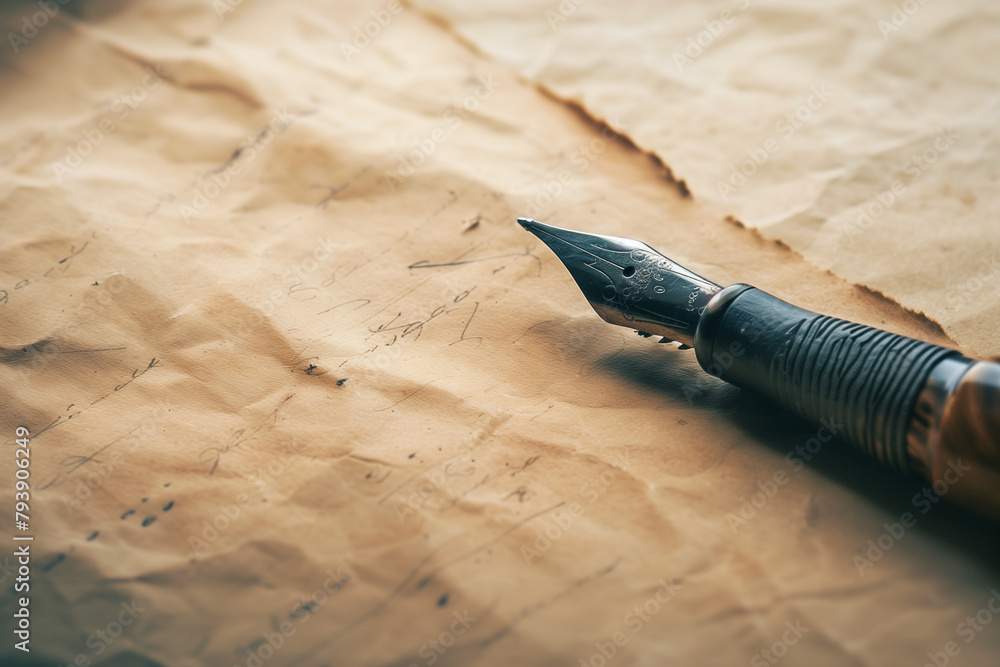
Poster close-up capture of a quill pen resting on parchment paper ... by ukposters.co.uk
Benefits in Various Cooking Techniques
While cooking techniques vary widely, parchment paper offers distinct advantages across multiple culinary applications.
Its moisture and grease resistance prevents food from sticking, enhancing both preparation and presentation. The non-stick surface simplifies food handling and allows for easy serving, particularly in baking and roasting. Parchment paper also aids in achieving even baking, ensuring that all items are cooked uniformly without hot spots affecting the results. It facilitates steam cooking, ensuring meat and fish retain moisture and tenderness. Using parchment paper to line cookie sheets not only promotes even browning but also simplifies cleanup, making it an essential tool in the kitchen. Also, using parchment paper reduces the need for greasing and flouring pans, ultimately enhancing efficiency in various cooking methods. Finally, the use of parchment paper promotes easy cleanup, protecting pans from residue and reducing the time spent on post-cooking tasks. Overall, it enhances efficiency in various cooking methods.
Popular Wiki Terms:
Environmental Impact and Practical Considerations
Parchment paper, widely recognized for its culinary applications, also presents various environmental impacts and practical considerations. Brown parchment paper is biodegradable and suitable for composting, while chlorine-treated white parchment poses chemical exposure risks, including dioxin contamination. Parchment paper typically takes 30 to 90 days to break down in compost, making it important to choose the right type. Food-contaminated parchment cannot be recycled, contributing to landfill waste. Parchment paper is made from wood pulp and silicone, providing its non-stick properties, which enhances its usability in the kitchen. Choosing certified compostable parchment paper can further minimize environmental impact and support composting efforts.
Comparative sustainability reveals that parchment is more eco-friendly than wax paper, yet less sustainable than reusable silicone mats. Eco-friendly brands offer chlorine-free options, mitigating pollution during production.
Consumer education on proper disposal and the differences between compostable and non-compostable varieties is essential to reduce environmental harm and promote responsible usage.
References & Data Sources:
https://en.wikipedia.org/wiki/Parchment_paper – Retrieved April 28, 2025
https://www.thespruceeats.com/what-is-parchment-paper-3959179 – Retrieved April 30, 2024
https://foodess.com/article/parchment-paper/ – Retrieved January 30, 2025
https://www.ukposters.co.uk/canvas-print-f723067844 – Retrieved April 23, 2025
https://www.sethapter.com/product/paperartsy-printed-tissue-collage-paper-frames – Retrieved April 30, 2025
https://pergament.ee/interesting-facts-about-parchment/the-manufacture-of-parchment/?lang=en – Retrieved April 30, 2025
https://www.coastalbusiness.com/silicone-curing-parchment-sheets-for-dtg.html – Retrieved April 30, 2025
https://www.southernliving.com/parchment-paper-uses-8750866 – Retrieved April 30, 2025
https://www.reynoldsbrands.com/tips-and-how-tos/best-parchment-paper-uses – Retrieved April 30, 2025
https://lentinealexis.com/kitchen-101-use-parchment-paper/ – Retrieved April 29, 2025
https://www.marthastewart.com/269281/parchment-vs-wax-paper – Retrieved April 29, 2025
https://www.webstaurantstore.com/article/69/wax-paper-vs-parchment-paper.html – Retrieved April 29, 2025
https://www.eatingwell.com/article/8039793/wax-paper-vs-parchment-paper/ – Retrieved April 29, 2025
https://www.abposters.com/png-old-parchment-paper-scroll-sheet-backgrounds-document-white-background-f808500747 – Retrieved April 29, 2025
https://www.ukposters.co.uk/close-up-capture-of-a-quill-pen-resting-on-parchment-paper-representing-the-historical-roots-and-traditional-documentation-methods-of-the-legal-system-against-a-muted-background-f793906249?idv=54401&size=40 – Retrieved April 29, 2025
https://www.thepioneerwoman.com/food-cooking/cooking-tips-tutorials/a93622/7-reasons-to-use-parchment-paper/ – Retrieved April 29, 2025
https://www.marthastewart.com/parchment-paper-8584818 – Retrieved April 29, 2025
https://www.wineberserkers.com/t/the-benefits-of-using-parchment-paper-for-baking-a-little-trick-i-learned/328722 – Retrieved April 29, 2025
https://wiser.eco/is-parchment-paper-compostable/ – Retrieved April 29, 2025
https://www.forkintheroad.co/is-parchment-paper-eco-friendly/ – Retrieved April 29, 2025
https://theroundup.org/parchment-paper-compostable/ – Retrieved April 29, 2025