
OOH (Out-of-Home Advertising) Definition
Out-of-home (OOH) advertising refers to all advertising media encountered outside the home environment. It includes formats such as billboards, transit ads, and posters, but excludes digital ads on mobile devices. Approximately 80% of the population is exposed to OOH advertising weekly. Recent advancements in technology and data analytics have improved OOH effectiveness, enhancing targeted messaging and performance measurement. Understanding its evolving role in the advertising landscape reveals significant trends and future projections.
Definition and Scope of OOH Advertising
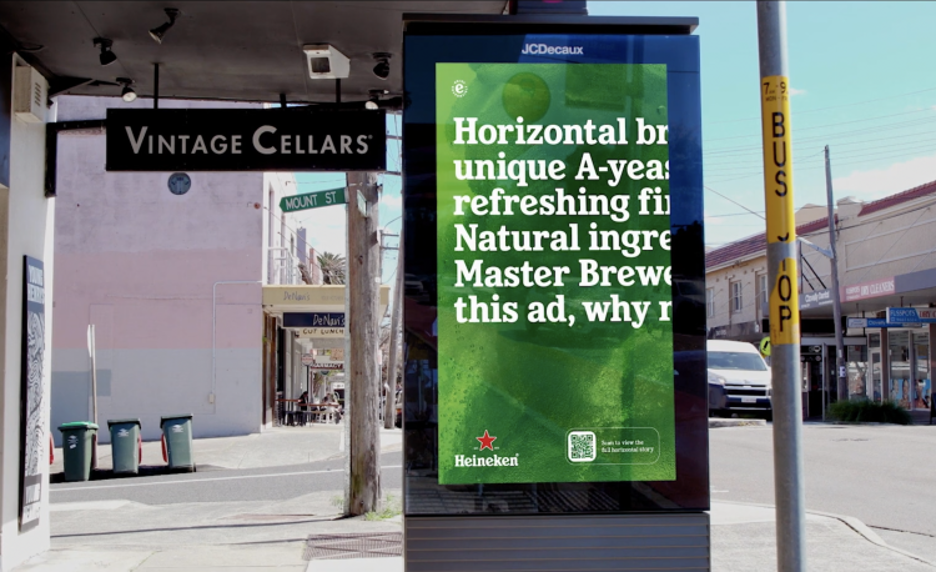
Out-of-Home (OOH) advertising encompasses any advertising medium that is encountered outside of the home environment, excluding digital advertisements on mobile devices. This form of advertising includes various media types such as billboards, transit ads, and posters.
OOH advertising effectively targets broad audiences, with approximately 80% of the population exposed weekly. It employs large format printing and digital printing technologies to create visually impactful campaigns.
OOH is particularly effective for brand awareness campaigns, as it guarantees high visibility in public spaces. The integration of both static and digital formats enhances its reach and engagement potential within diverse demographics.

What is out-of-home (OOH) advertising? A beginner's guide for ... by broadsign.com

OOH and Ahh: Brands leveraging creators in out-of-home (OOH) ads by hashtagpaid.com
Performance Transformation in OOH Campaigns
The effectiveness of OOH advertising has evolved considerably with advancements in technology and data analytics. Digital transformation has enhanced the capabilities of OOH campaigns, particularly through the integration of data-driven strategies. This shift allows for targeted messaging and real-time updates, improving engagement with audiences. The introduction of programmatic DOOH enables automated ad buying and detailed performance reports, further optimizing campaign effectiveness. Screen printing techniques remain relevant, particularly for traditional formats like transit ads, ensuring high-quality visuals. The synergy between OOH and digital platforms has demonstrated significant impact, increasing brand recall and influencing consumer purchasing decisions. Metrics such as reach, impressions, and conversion rates are essential for evaluating the performance of these innovative campaigns.
Market Growth and Emerging Trends
Market growth in OOH advertising is significant, with projections indicating a rise to $41.82 billion by 2025, up from $33.9 billion in 2024, reflecting a compound annual growth rate (CAGR) of 5.6%. Emerging trends include the expansion of digital OOH, which enhances viewer engagement through interactive content and real-time data displays. Programmatic digital display advertisements are increasingly adopted, streamlining ad placements and improving targeting efficiency. The market is also witnessing a shift towards mobile-integrated advertising and location data integration, which connects ad exposure to measurable brand outcomes, further driving the sector’s growth and innovation. In 2024, OOH advertising revenue surpassed $9.1 billion, demonstrating the sector’s continued strength and momentum.
Innovation and Technology in OOH
Innovation in OOH advertising is characterized by advancements in technology that enhance viewer engagement and operational efficiency.
Digital billboards allow for dynamic content delivery, adapting messages in real-time based on location and audience demographics.
Programmatic DOOH leverages AI-driven personalization, optimizing ad placements with precise targeting and automated buying processes.
Smart infrastructure integration facilitates connected transit networks, enabling sequential storytelling and real-time updates through 5G-powered displays.
These innovations not only improve visibility but also promote sustainability through energy-efficient solutions.
Collectively, these advancements create a more responsive and engaging advertising landscape, benefiting both advertisers and audiences alike.
Popular Wiki Terms:
Measurement Advancements and Future Projections
Advancements in measurement methodologies are reshaping the landscape of out-of-home (OOH) advertising, enabling more precise evaluation of campaign effectiveness. Attention metrics evolution has revealed that OOH ads, including posters and banners, capture attention considerably longer than digital formats. Metrics now prioritize quality engagement over sheer impressions, with high validation rates for memory retention. Mobile data integration enhances tracking of audience behavior post-exposure, while multi-channel attribution links OOH to online actions. The average OOH ad receives 12 seconds of attention, showcasing its effectiveness in creating lasting impressions. Future projections indicate a shift toward lower-funnel metrics and dynamic creative optimization, further refining retail advertising’s impact on consumer behavior and brand perception.
References & Data Sources:
https://broadsign.com/blog/out-of-home-advertising/ – Retrieved April 30, 2025
https://hashtagpaid.com/banknotes/ooh-and-ahh-brands-leveraging-creators-in-out-of-home-ooh-ads – Retrieved May 2, 2024
https://broadsign.com/blog/dooh-metrics/ – Retrieved February 2, 2025
https://oaaa.org/news/out-of-home-advertising-revenue-surpasses-9-billion-highest-revenue-volume-to-date/ – Retrieved April 25, 2025
https://www.outfront.com/blog/what-are-top-out-of-home-advertising-trends-2025 – Retrieved May 2, 2025