
Non-Coated Paper Definition
Non-coated paper is characterized by its lack of surface treatment, resulting in a porous texture that enhances ink absorption. This type of paper provides a natural feel and is suitable for various applications, including letterheads, business cards, and educational materials. It is typically composed of wood pulp and recycled fibers, exhibiting a matte appearance with moderate durability. While it offers richer colors, limitations include reduced sharpness and color vibrancy. Further details of its printing characteristics and uses are available.
Overview of Non-Coated Paper
Non-coated paper is defined by its lack of surface treatment during the manufacturing process, resulting in a porous texture that enhances ink absorption. This type of paper possesses a natural feel, offering a tactile experience that is often preferred in formal stationery and text-heavy applications. It exhibits moderate tear resistance, making it suitable for various uses, including books and brochures. Non-coated paper is recyclable and biodegradable, aligning with sustainability goals. The unbleached surface retains the wood fiber’s integrity, resulting in a matte finish that minimizes glare and offers a softer appearance, thereby enhancing readability in printed materials. Uncoated paper is also ideal for embossing, debossing, and letterpress techniques, providing versatility in creative applications. Also, uncoated paper’s rougher texture allows for easier writing with pen or pencil, making it a practical choice for note-taking and correspondence. Also be aware that its absorbency supports writing with pen or pencil, resulting in a more natural writing experience.
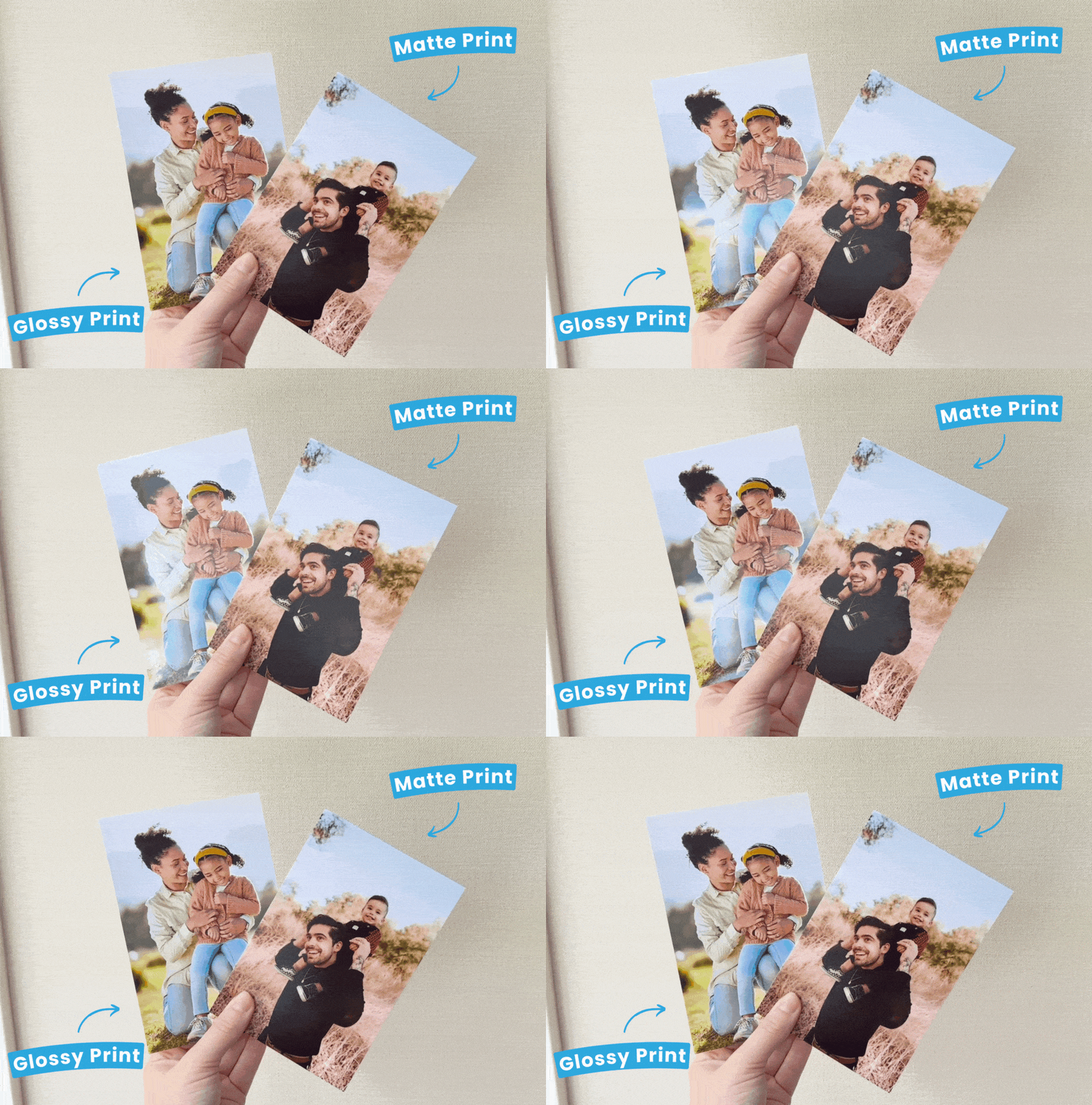
Matte vs Glossy (Which to Choose for Your Photo Prints?) by photoprintsnow.com
100% PC White Paper - 18 x 12 in 110 lb Cover DT Smooth 100 ... by thepapermillstore.com
Printing Characteristics of Non-Coated Paper
The printing characteristics of non-coated paper are defined by its inherent properties, which greatly influence the final output of printed materials. Higher porosity results in increased ink absorption, leading to softer print colors and less defined edges on images. This characteristic can impact color accuracy and vibrancy, often yielding a warm, elegant aesthetic. The uncoated paper surface absorbs ink deeply, resulting in a softer visual effect that is particularly appealing for projects requiring a tactile feel. The more absorbent nature of uncoated paper allows for better texture and a more organic feel in printed materials. Also, the absence of a coating enhances the paper’s environmental friendliness, making it a preferred choice for sustainable printing practices. Despite these traits, the print quality may vary due to the porous surface, making non-coated paper suitable for applications such as business cards, brochures, and luxury packaging. Careful handling and specific ink settings are essential to achieve ideal results with this type of paper.
Physical Properties and Appearance
Physical properties and appearance of non-coated paper are defined by its unique composition and structural characteristics.
Composed mainly of wood pulp and recycled fibers, this paper exhibits a rough texture, resulting from its uncoated surface. The thickness varies, influencing overall weight, while the absence of a glossy finish contributes to a matte appearance. Non-coated paper is characterized by moderate moisture absorption, making it less resistant to water compared to coated alternatives. Inconsistencies in color and a pitted appearance may be present due to the natural variations in fiber composition, impacting its visual uniformity and printability. The smooth finish achieved through processes like calendaring can enhance its overall print quality and presentation for certain projects. Understanding the basis weight of non-coated paper is essential, as it plays a crucial role in determining the area of paper obtained for a given weight.
Common Use Cases for Non-Coated Paper
Common use cases for non-coated paper encompass a variety of applications across different sectors, owing to its unique properties.
In business, it serves effectively as letterheads and business cards, providing a professional yet tactile experience. Non-coated paper is also widely used for books, where its matte finish enhances readability and reduces glare. The absorbent nature of non-coated paper allows for easy writing, making it an ideal choice for invoices and envelopes, ensuring easy writing and a refined appearance. Educational materials, such as coloring books and workbooks, benefit from its absorbent nature. Non-coated paper is ideal for interactive uses due to its natural feel, allowing users to engage more directly with the content. Its rougher texture contributes to a more natural and sophisticated look, making it suitable for various printed materials.
Popular Wiki Terms:
Advantages and Limitations of Non-Coated Paper
Non-coated paper possesses distinct advantages and limitations that influence its application across various industries.
Its texture and appearance provide a natural, traditional look, enhancing readability by minimizing glare. The paper’s ink absorption allows for rich, darker colors, contributing to its aesthetic appeal. Many non-coated papers are made from recycled content, which promotes environmental sustainability.
Nevertheless, limitations include reduced image sharpness and color vibrancy due to ink absorption, which may produce fuzzy edges. Non-coated paper generally has moderate durability compared to coated options.
On the sustainability front, it often features recycled content, making it an environmentally friendly choice, although its porous surface may affect longevity in certain applications.
References & Data Sources:
https://www.paperpapers.com/news/coated-vs-uncoated-paper/ – Retrieved April 28, 2025
https://www.colorvisionprinting.com/blog/coated-vs-uncoated-paper-which-to-choose-for-your-project – Retrieved April 30, 2024
https://ironmarkusa.com/coated-uncoated-paper/ – Retrieved January 30, 2025
https://www.photoprintsnow.com/au/blog/matte-vs-glossy-which-to-choose-for-your-photo-prints/ – Retrieved April 23, 2025
https://www.thepapermillstore.com/options-100-pc-white-paper-18-x-12-in-110-lb-cover-dt-smooth-100-recycled-500-per-carton.html – Retrieved April 30, 2025
https://www.printingpartners.net/creative-ink/paper-types-explained/ – Retrieved April 30, 2025
https://www.colorvisionprinting.com/blog/coated-vs-uncoated-paper-which-to-choose-for-your-project?p=11 – Retrieved April 30, 2025
https://discpro.com/printing-on-coated-vs-uncoated-paper/ – Retrieved April 30, 2025
https://www.ideas.defypaper.com/paper-characteristics-uncoated-paper/ – Retrieved April 30, 2025
https://www.paperonweb.com/paperpro.htm – Retrieved April 29, 2025
https://www.domtar.com/blog-posts/coated-vs-uncoated-paper-when-to-use-which/ – Retrieved April 29, 2025
https://www.walsworth.com/blog/coated-uncoated-paper – Retrieved April 29, 2025
https://www.colorvisionprinting.com/blog/coated-vs-uncoated-paper-which-to-choose-for-your-project?p=7 – Retrieved April 29, 2025
https://casepaper.com/resources/news-library/guide-to-uncoated-paper/ – Retrieved April 29, 2025