
Lenticular Printing Definition
Lenticular printing is a sophisticated printing technology that utilizes lenticular lenses to produce dynamic visual effects, such as depth and motion. The process involves preparing high-resolution images, interlacing multiple images into a single composite, and ensuring precise lens alignment. Lenticular lenses manipulate light through a dual-zone design, enhancing image quality. Frequently applied in advertising and marketing, lenticular printing increases brand engagement and offers versatile applications across various industries. Additional insights into its process and techniques are explored further.
Understanding Lenticular Printing
Lenticular printing is a specialized technique that utilizes curved lenses to produce visual effects such as depth, motion, and animation.
Lenticular printing leverages curved lenses to create captivating visual effects like depth, motion, and animation.
This method employs lenticular lens sheets, which contain parallel cylindrical lenses that magnify and interlace multiple image slices. The interlacing software setup is essential for combining vertical strips from various images into a single composite. High-resolution images are printed using UV-curable inks, ensuring durability and fast drying. Precise lens alignment is necessary to achieve seamless shifts between images, enabling effects like 3D depth perception and animation. This technology serves various applications, enhancing promotional materials and packaging, and is commonly used in advertising graphics to attract consumer attention. Lenticular printing can create unique types of lenticular prints such as Flip and Animated effects, offering diverse visual experiences. The technology also plays a significant role in security documents by incorporating visual features that change with the observer’s angle, enhancing authenticity.
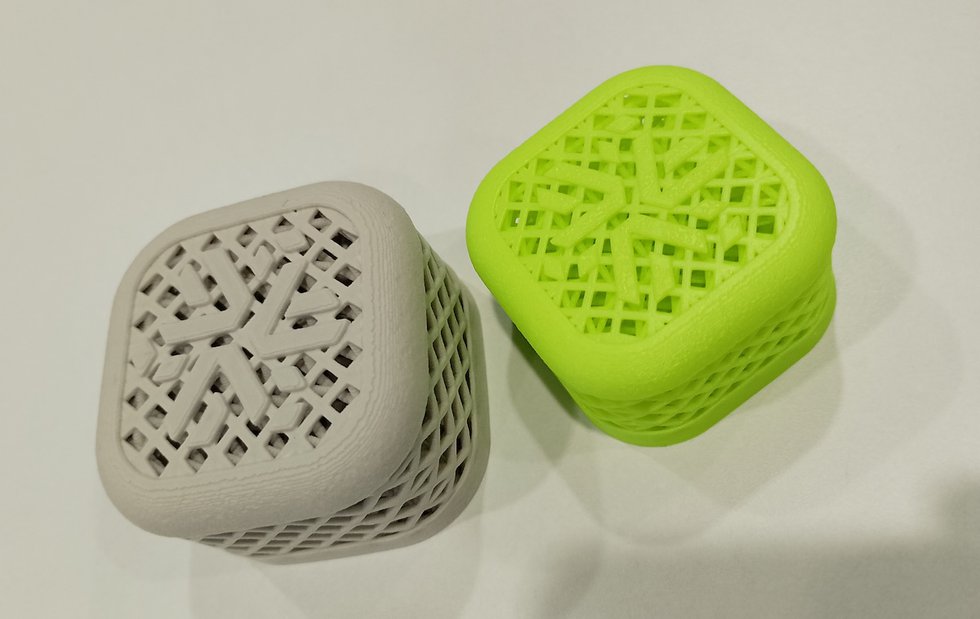
Carbon expands 3D printing application possibilities with EPU Pro ... by tctmagazine.com
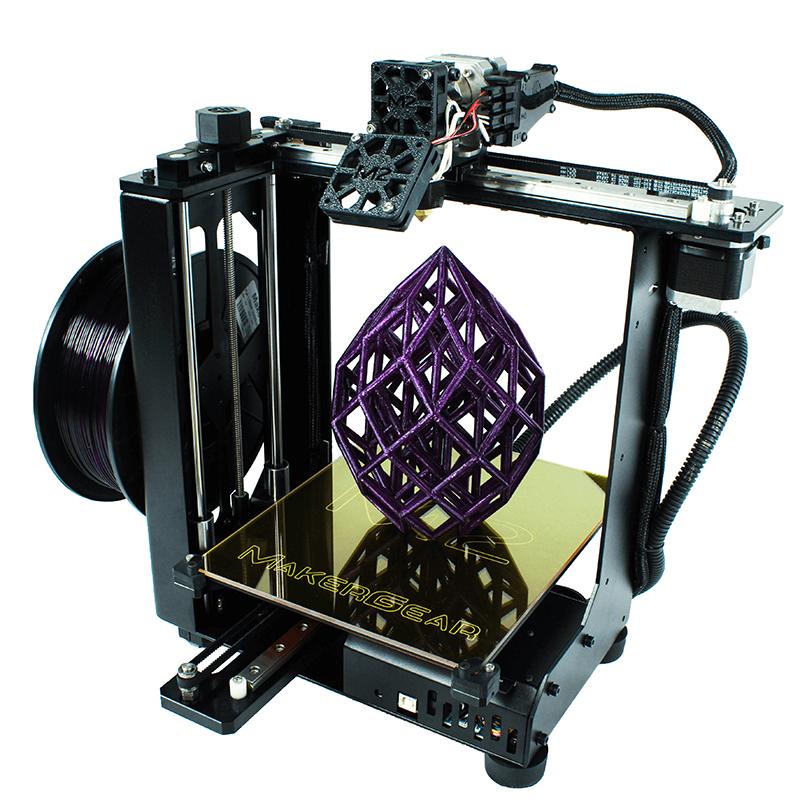
MakerGear M2 3D Printer - MakerGear™ by makergear.com
The Lenticular Printing Process
The lenticular printing process involves a series of precise steps that begin with the preparation of source images. This includes high-resolution image preparation, where multiple images are captured to create desired effects. Images must undergo precision alignment on a key plane to guarantee consistency. Identifying the key plane is crucial as it determines how the images will interact in three-dimensional space. Software processing, such as interlacing, combines these images into striped patterns that match the lens’s lines per inch (LPI). Following this, printing techniques involve selecting appropriate materials and utilizing UV-cured inks for ideal color vibrancy. Additionally, selecting a proper lens density is important as it impacts the clarity and quality of the final print. Finally, careful alignment of the lenticular lens to the printed image is essential for achieving the intended visual effects. This meticulous process relies on interlaced printed images to create stunning visual illusions that capture viewer attention.
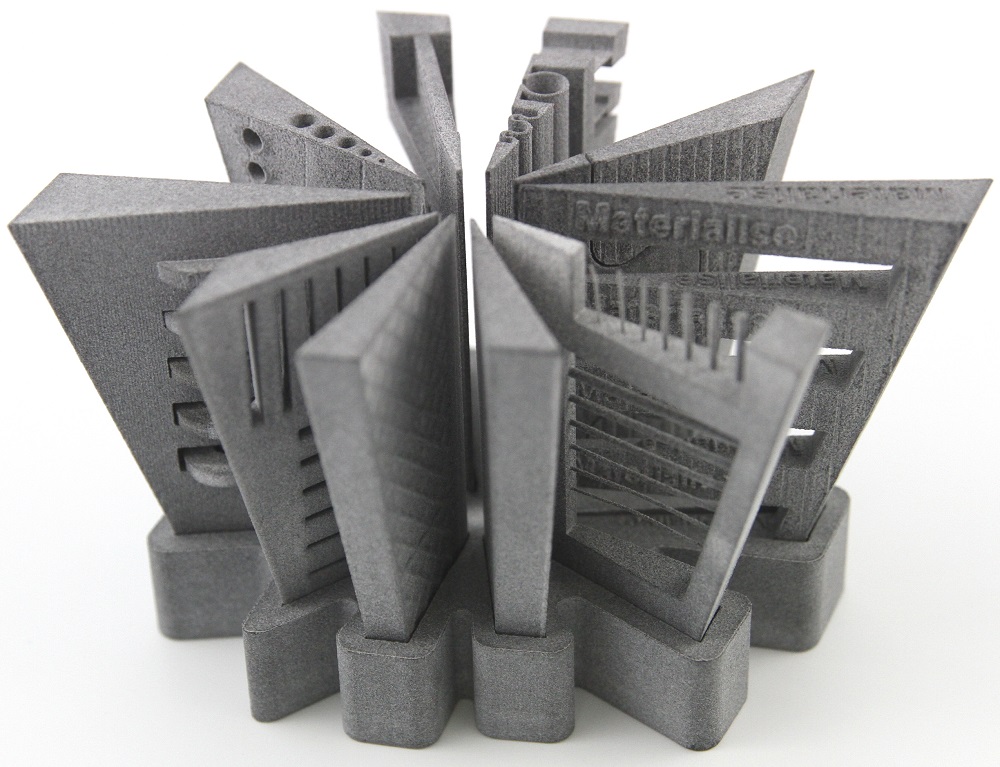
The First 3D Prints of the HP Jet Fusion 4200 3D Printer by i.materialise.com
Characteristics of Lenticular Lenses
Characteristics of lenticular lenses are defined by their unique structural and optical properties, which facilitate various applications in vision correction and visual effects.
These lenses utilize a dual-zone design, incorporating a central optical area and a non-prescriptive carrier. The grooved surface contains microscopic lenticules that manipulate light, enhancing optical performance for 3D imaging and animations. Lenticular lenses are particularly beneficial for individuals with high refractive errors, providing significant visual correction where traditional lenses may fall short. Their reduced lens weight compared to traditional lenses makes them more comfortable for extended wear. Flip Lenticular Design requires careful preparation and vibrant colors to optimize image clarity, which reflects the versatility of lenticular lenses in both medical and creative fields.
High-prescription options accommodate severe visual impairments, while manufacturing and fabrication processes guarantee precision tooling and scalability.
Materials like UV-resistant polymers enhance durability, and customization allows for over 100 variants tailored to specific applications, making lenticular lenses versatile tools in both medical and creative fields.
Techniques for Image Interlacing
Image interlacing is a critical process in lenticular printing that facilitates the creation of visually dynamic effects. This technique involves utilizing software such as Lentigram and 3DMasterKit to combine vertical strips from multiple images into a single file. Generating images through code allows for innovative approaches to interlacing that enhance the depth perception in lenticular prints. Manual interlacing can also be performed using graphics editors like Photoshop. Proper registration accuracy is essential to avoid ghosting and guarantee that 3D effects and animations appear seamless. High-resolution images and consistent strip widths contribute to the quality of the final product, enhancing the viewer’s experience as they observe different perspectives based on their viewing angle. Additionally, extending the canvas size for a border can further enhance the visual appeal of the final print.
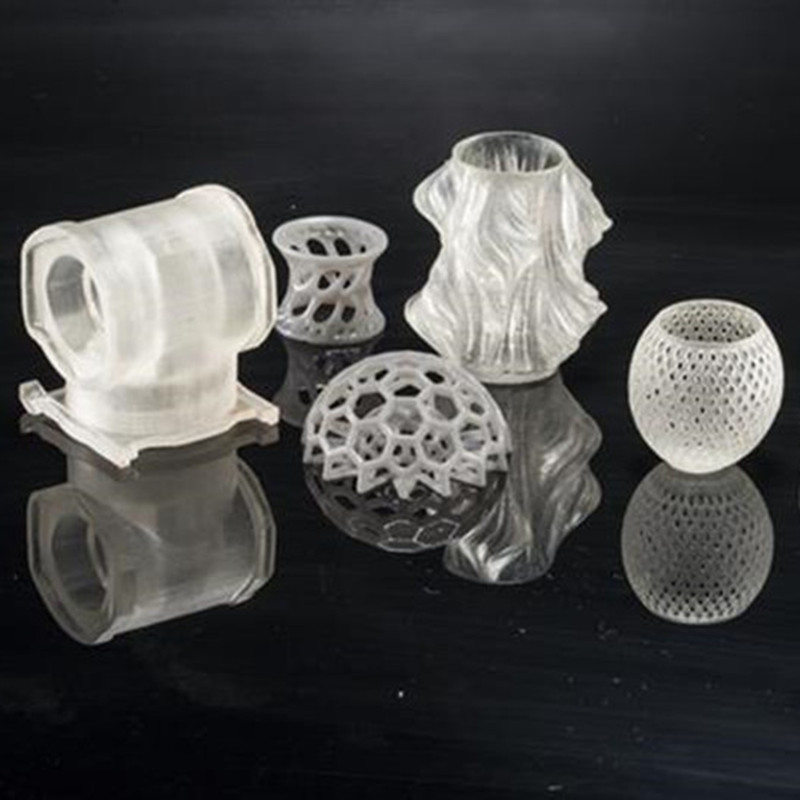
Hot New Products Telecentric F-Theta Lenses Fused Silica ... by carmanhaaslaser.com
Frontiers by frontiersin.org
Printing Methods and Assembly
Lenticular printing employs specialized techniques and materials to produce visually dynamic images through a precise assembly process. Various printing methods, including offset lithography and digital printing, utilize ultraviolet curing inks for rapid drying. Interlaced images are printed onto high-resolution backing materials, which are then affixed behind lenticular sheets. The assembly process requires careful alignment, with precision steps of 10 micrometers to guarantee proper lens array registration. The pitch test is crucial for achieving accurate results and ensuring the success of the final print. Adhesive layers secure the materials together, while lamination techniques enhance durability. These meticulous processes contribute to the production of high-quality lenticular prints that capture and engage viewers effectively.
Popular Wiki Terms:
Applications and Advantages of Lenticular Printing
Utilizing advanced visual technologies, lenticular printing serves a diverse range of applications across multiple industries. In retail marketing, it enhances product packaging with eye-catching motion effects that differentiate items in crowded marketplaces. Lenticular printing has become increasingly popular due to its ability to create visual effects that engage consumers and leave memorable impressions. Advertising campaigns benefit from increased brand visibility and retention rates, making lenticular prints ideal for direct mail and promotional materials. Lenticular printing is effective in creating dynamic educational tools and interactive displays for museums. The technology also supports 3D printing for immersive storytelling in children’s books and games, demonstrating its versatility across various sectors while elevating engagement and perceived value. This technology frequently utilizes lenticular lenses to create stunning visual illusions that capture audience attention. Also, the technique involves interlacing multiple images into a composite image, enhancing the overall visual experience.
References & Data Sources:
https://en.wikipedia.org/wiki/Lenticular_printing – Retrieved April 30, 2025
https://www.3dreactions.com/lenticular-printing/ – Retrieved May 2, 2024
https://regulaforensics.com/glossary/documents/lenticular-technology/ – Retrieved February 2, 2025
https://www.tctmagazine.com/additive-manufacturing-3d-printing-news/polymer-additive-manufacturing-news/carbon-epu-pro-3d-printing-material-expand-applications/ – Retrieved April 25, 2025
https://makergear.com/products/m2 – Retrieved May 2, 2025
https://www.instructables.com/3D-lenticular-printing-using-Photoshop-and-inkjet-/ – Retrieved May 2, 2025
https://www.vicgi.com/lenticular-printing-guide-for-printers.html – Retrieved May 2, 2025
https://i.materialise.com/blog/en/first-hp-jet-fusion-4200-3d-prints/ – Retrieved May 2, 2025
https://www.allaboutvision.com/eyewear/eyeglasses/lenses/lenticular-lenses/ – Retrieved May 2, 2025
https://www.slideshare.net/slideshow/lenticular-lenses/250387141 – Retrieved May 1, 2025
https://www.enduraline.com/lenticular-effects-how-to – Retrieved May 1, 2025
https://www.instructables.com/Computational-3D-Lenticular-Printing/ – Retrieved May 1, 2025
https://www.carmanhaaslaser.com/hot-new-products-telecentric-f-theta-lenses-fused-silica-stereolithography-3d-sla-3d-printer-for-uv-laser-additive-manufacturing-processing-haas-2-product/ – Retrieved May 1, 2025
https://www.frontiersin.org/journals/medical-technology/articles/10.3389/fmedt.2022.1040052/full – Retrieved May 1, 2025
https://www.taylor.com/blog/lenticular-printing-and-marketing-uses-of-lenticular-print – Retrieved May 1, 2025
https://www.socalgraph.com/capabilities/los-angeles-lenticular-printing-services/3d-lenticular-printing-for-entertainment-industry/ – Retrieved May 1, 2025
https://world3d.com/lenticular-printing-for-businesses-improving-marketing-roi/ – Retrieved May 1, 2025