
Laid Paper Definition
Laid paper is a specialized type of paper known for its ribbed texture and visible linear ridges. This paper is made primarily from cotton fibers, resulting in moderate durability and resistance to tearing. The manufacturing process involves creating a pulp that forms distinctive laid lines, perfected through historical artisan techniques. Laid paper is favored for applications such as high-end stationery and artistic projects due to its unique visual identity and quality. Further insights into its historical significance and uses reveal its broader impact.
Definition and Characteristics of Laid Paper
Laid paper is characterized by its distinct ribbed texture, which features linear ridges and grooves that are often visible under light. This texture creates a grid-like pattern, distinguished by watermark lines that enhance its tactile quality. The ribbed surface varies in prominence, influenced by paper thickness and manufacturing precision. Traditional papermaking techniques emphasize the importance of the laid pattern, as it reflects the craftsmanship involved in creating this unique type of paper. Laid paper typically exhibits moderate durability, attributed to its cotton content, which resists tearing and folding. Historically significant, it reflects early European papermaking techniques and retains an artisan aesthetic. Its unique characteristics make it a preferred choice for premium stationery, artistic projects, and archival purposes, where traditional appearance is valued. Laid paper is also notable for distinguishing between editions and printings of books, providing essential information for scholars and collectors. The distinctiveness of laid paper can be attributed to its wire-bottomed sieve method of production, which leaves a unique pattern on the underside of the sheet.
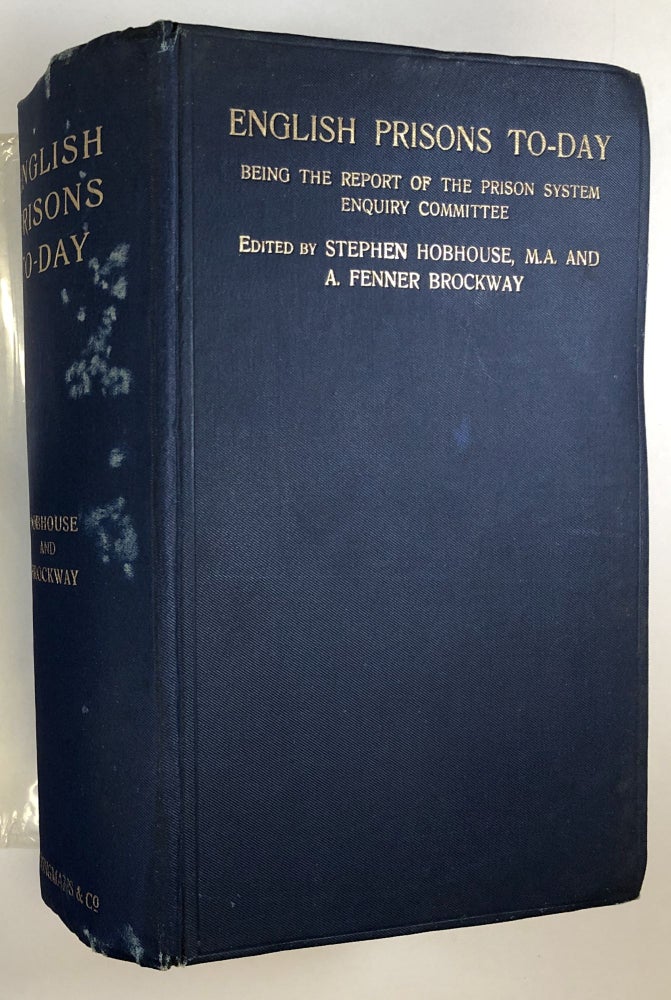
English Prisons To-Day; being the Report of the Prison System ... by commoncrowbooks.com
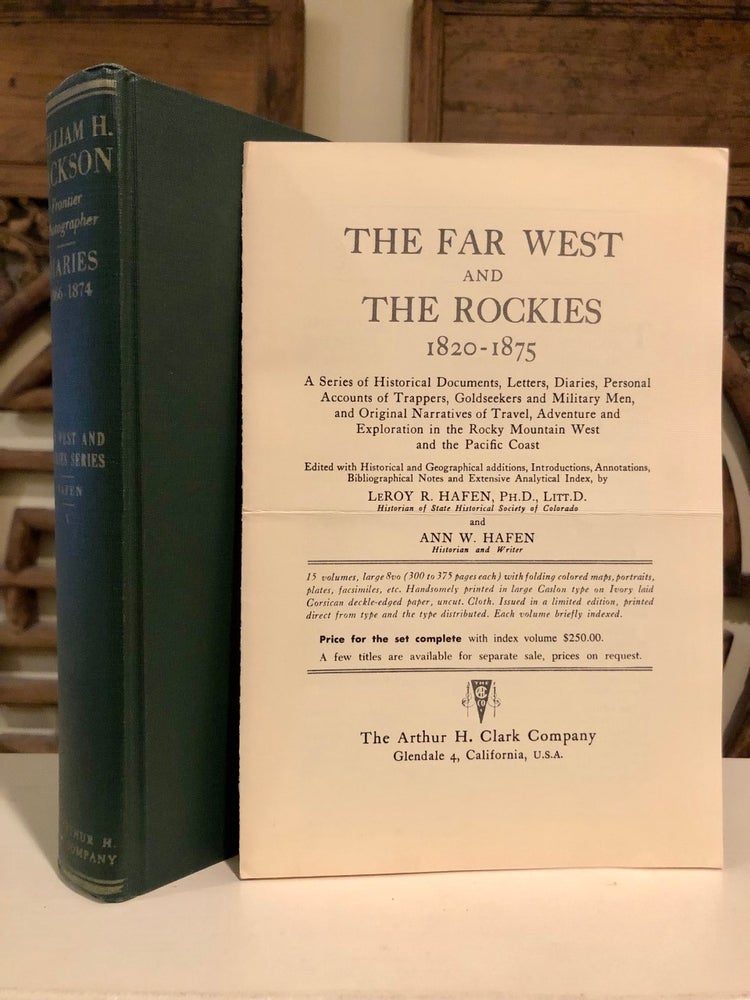
WITH Prospectus The Diaries of William Henry Jackson Frontier ... by longbrosbooks.com
The Manufacturing Process of Laid Paper
The manufacturing process of laid paper involves a series of precise steps that reflect both traditional craftsmanship and modern techniques.
Initially, cotton fibers are combined with water to create a pulp, guaranteeing ideal consistency for the laid lines formation. A rectangular mould with parallel wires produces the characteristic pattern, while the dandy roll further enhances this design by pressing a mesh pattern into the wet stock. This process of making laid paper was handmade before 1800 ensures that the unique characteristics of laid lines are preserved. The incorporation of wet laid materials in modern production techniques allows for outstanding uniformity and consistent fiber distribution in the finished product. The use of European moulds featuring laid and chain lines helps identify the paper’s origin and adds to its historical significance.
Following these steps, the paper undergoes final processing steps, including pressing to remove moisture and drying to achieve the desired texture.
This combination of methods guarantees both quality and consistency in the finished laid paper product.
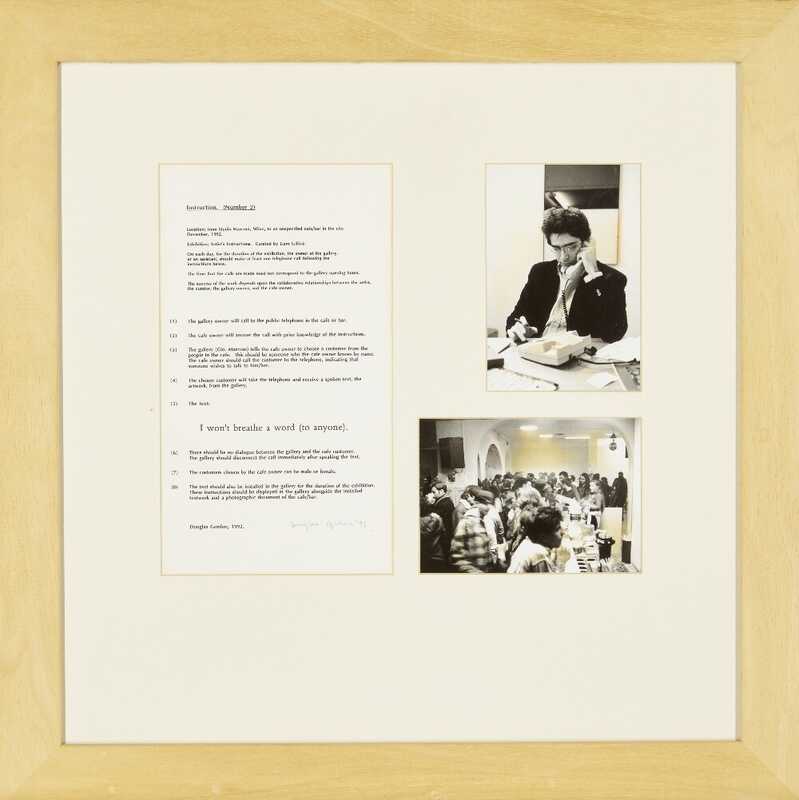
Douglas Gordon by artsy.net
Comparison With Wove Paper
A comparison between laid paper and wove paper reveals distinct differences in texture, appearance, and artistic uses. Laid paper features a textured latticework pattern, with fine lines visible when held to the light, creating a unique visual identity. Conversely, wove paper has a smooth, uniform surface, lacking the distinctive lines found in laid paper. This texture makes laid paper preferable for certain artistic techniques, while wove paper is favored for its suitability in drawings and watercolors. Historically, laid paper was dominant, but wove paper gained prevalence in the 19th century due to its consistent quality and manufacturing innovations. The production process for laid paper utilizes a special roller to create its characteristic pattern, which reflects its historical significance in early papermaking techniques. Laid paper is known for its unique artistic qualities that can enhance the visual appeal of charcoal and pastel applications.
Historical Significance of Laid Paper
Historical significance of laid paper is underscored by its role in the evolution of communication and artistic expression from the 12th to the 19th century. Introduced in Europe from the Middle East, laid paper became the dominant type, facilitating the distribution of literature and artworks. Its unique texture supported techniques such as engraving and offset printing, enhancing the quality of printed materials. The handmade production process, reliant on cotton and wood pulp, contributed to its value. Laid paper plays an essential role in historical preservation, allowing for the authentication and dating of significant documents and artworks from various periods. The distinction between laid and wove paper highlights the craftsmanship involved in its creation and its impact on the aesthetics of printed works. Also, the importance of recognizing manufacturing methods is crucial for accurately dating prints made on laid paper.
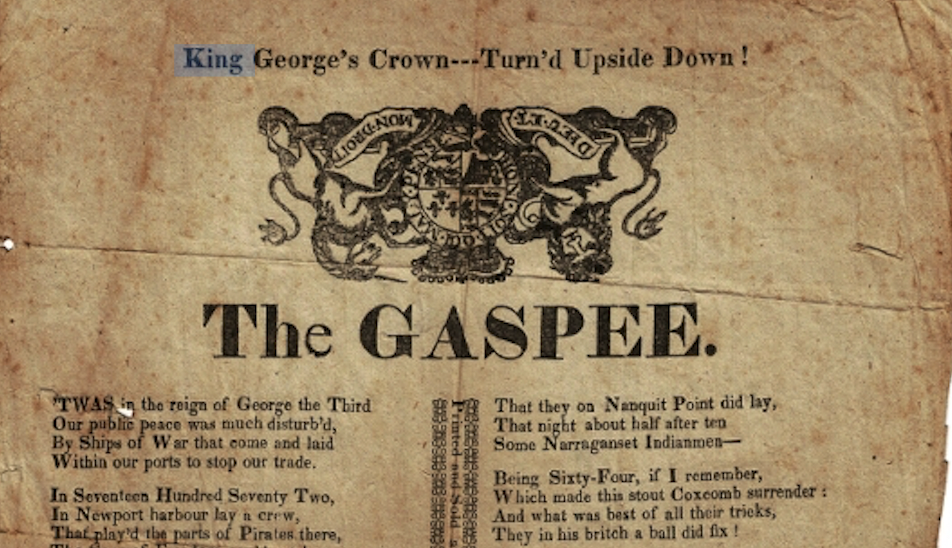
The Gaspee Affair: A Rhode Island Perspective on Its 250th ... by smallstatebighistory.com
Mark Cohen: Italian Riviera Signed with a print by riverrunbooks.com
Popular Wiki Terms:
Applications and Uses of Laid Paper
Numerous applications exist for laid paper, showcasing its versatility and suitability across various sectors. It is commonly used for business reports, providing a tactile and professional appearance. High-end brochures benefit from its ribbed texture, which enhances print quality and durability. Laid paper is also favored in luxury packaging, where its unique aesthetic adds value to premium products. Formal stationery items, such as wedding invitations and corporate letterheads, utilize laid paper for its elegant feel. Other applications include greeting cards, menus, and diplomas, where its archival quality and refined finish contribute to a distinctive presentation. The traditional laid design of the paper enhances its appeal, making it a popular choice for high-end printed materials. Its textured surface excels in ink reception, ensuring that every print project achieves unmatched quality and clarity. Also, the handcrafted quality of CLASSIC Laid Papers ensures that each project stands out with its rich and distinctive appearance.
References & Data Sources:
https://rhollick.wordpress.com/2016/10/24/laid-paper/ – Retrieved April 28, 2025
https://www.commoncrowbooks.com/pages/books/C000032056/stephen-hobhouse-eds-a-fenner-brockway/english-prisons-to-day-being-the-report-of-the-prison-system-enquiry-committee-with-signed-photo-of – Retrieved April 30, 2024
https://www.longbrosbooks.com/pages/books/5136/leroy-r-hafen-ann-w-hafen/with-prospectus-the-diaries-of-william-henry-jackson-frontier-photographer-to-california-and – Retrieved January 30, 2025
https://www.ioba.org/laid-paper – Retrieved April 23, 2025
https://www.hollingsworth-vose.com/innovation/process-capabilities/wet-laid/ – Retrieved April 30, 2025
https://makingmanuscriptsblog.wordpress.com/2017/11/21/making-paper-indo-islamic-and-european-style-handmade-sheets/ – Retrieved April 30, 2025
https://www.artsy.net/artwork/douglas-gordon-instruction-number-2 – Retrieved April 30, 2025
https://harvardartmuseums.org/article/understanding-paper-structures-watermarks-and-a-conservator-s-passion – Retrieved April 30, 2025
https://www.folger.edu/blogs/collation/learning-to-read-old-paper/ – Retrieved April 30, 2025
https://smallstatebighistory.com/the-gaspee-affair-a-rhode-island-perspective-on-its-250th-anniversary/ – Retrieved April 29, 2025
https://www.riverrunbooks.com/pages/books/410518/mark-cohen-franceso-zanot-photographer-text-by/mark-cohen-italian-riviera-signed-with-a-print – Retrieved April 29, 2025
https://theprint.blog/laid-paper/ – Retrieved April 29, 2025
https://www.printingpartners.net/creative-ink-blog/paper-types-explained/laid-paper-timeless-texture-for-distinguished-printing/ – Retrieved April 29, 2025
https://www.neenahpaper.com/brands/classic-laid-papers – Retrieved April 29, 2025