
Labels Definition
Labels are essential tools for product identification and information dissemination. They provide critical details, such as ingredients and safety warnings, while ensuring compliance with regulatory standards across various industries. Labels facilitate branding and marketing efforts, influencing consumer purchase decisions through effective design. Various types exist, including brand, informative, and regulatory compliance labels. The choice of materials and adherence to legal requirements greatly impacts label effectiveness. Further exploration reveals more about the nuances of label design and application.
Definition and Core Purpose of Labels
Labels serve as essential components in product identification and information dissemination within various industries. They are designed to provide critical information about a product, including ingredients, safety warnings, and brand identity. Identifying marks on jars, for example, are a common application of labels that ensure consumers know the contents before purchasing. Through custom label printing, businesses can guarantee compliance with regulatory standards while enhancing product packaging. Labels play a significant marketing and branding role, distinguishing products in competitive markets. Their visual appeal and informative nature help consumers make informed purchasing decisions. Also, labels help businesses in branding and marketing by creating emotional connections with consumers and enhancing perceived value. Labels must comply with legislation governing information disclosure to ensure consumers receive accurate and essential product details.
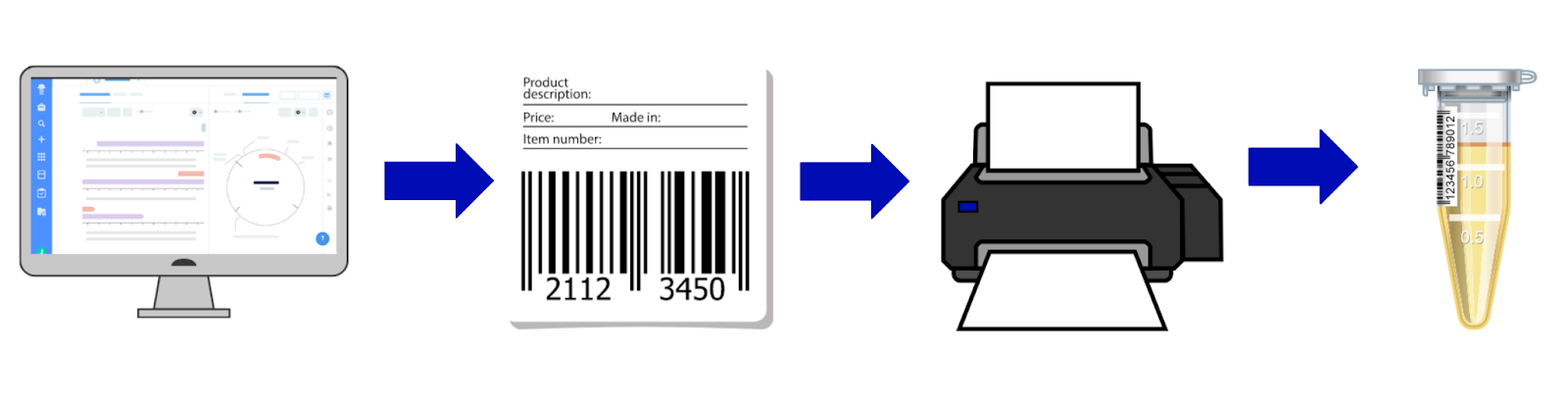
Label Printing Basics – Benchling by help.benchling.com
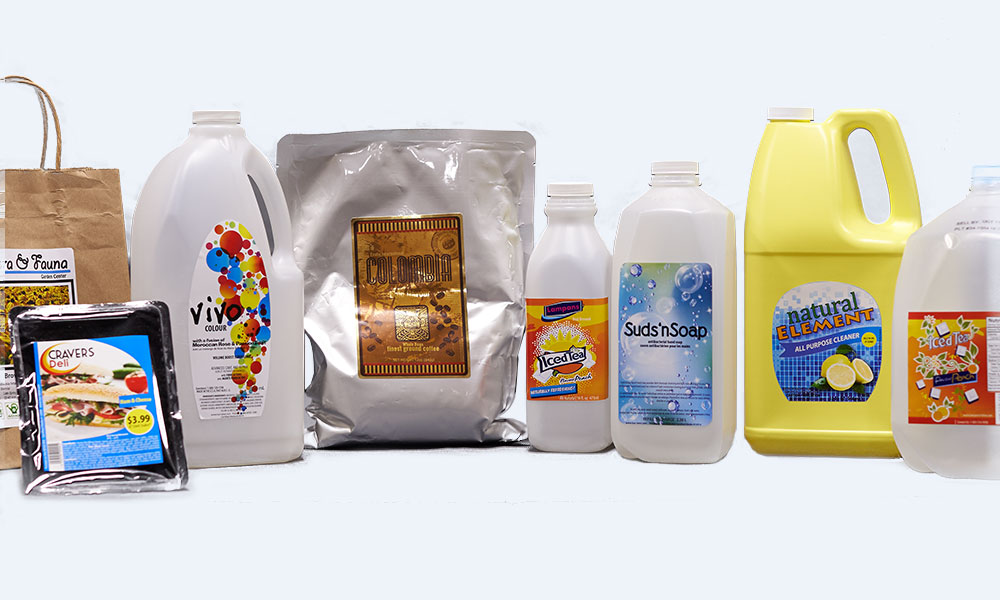
Label Printing 101 - DuraFastLabel.com by durafastlabel.com
Key Functions of Product Labels
Product labels serve multiple key functions that are crucial for both consumer interaction and regulatory compliance. They provide essential information regarding ingredients, usage instructions, and safety warnings, guaranteeing legal compliance with industry regulations. Labels contribute to branding and marketing materials by incorporating custom branding elements and unique design languages, enhancing product recognition. Effective labels also influence purchase decisions through visually appealing designs and clear value propositions. Also be aware that product codes and QR codes facilitate inventory management, while durable materials promote operational efficiency. Overall, product labels play a critical role in communication, compliance, and brand identity within competitive markets. Also, labeling serves various roles such as brand identification and safety information, which are essential for consumer trust and product integrity. Prime labels are particularly important, as they are the most recognized labels displayed prominently on packaging, ultimately aiding in product differentiation.
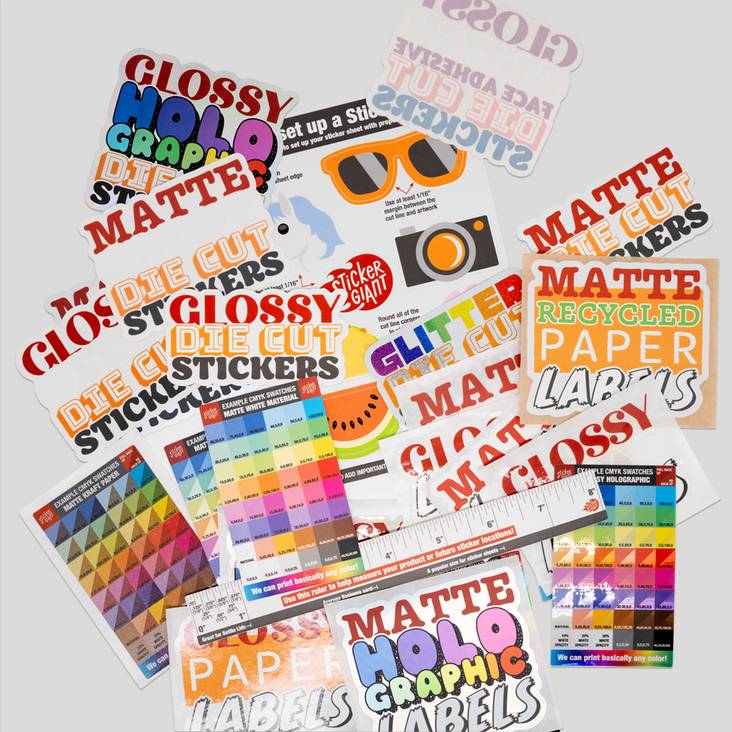
Sample Pack by stickergiant.com
Types of Labels Based on Purpose
Various types of labels serve distinct purposes within the marketplace, each designed to fulfill specific functions related to communication, branding, or compliance. Brand labels focus on reinforcing identity and loyalty, featuring minimal product information. Informative labels provide essential details, such as ingredients and instructions, often required for regulatory compliance. Product labels are crucial as they aid in supply chain management and prevent shipping errors. Grade labels indicate product quality, influencing consumer purchasing decisions. Creative brand presentation ensures that labels resonate with the target audience’s language. Regulatory compliance labels guarantee adherence to legal standards, particularly in healthcare and pharmaceuticals. Each label type plays an important role in facilitating informed consumer choices while meeting industry requirements and enhancing the overall product experience. Proper data classification is vital for ensuring compliance with regulations, which is particularly significant for labels that pertain to sensitive information.
Material Categories for Labeling
When selecting materials for labeling, it is essential to contemplate the specific requirements of the application, as different materials offer distinct advantages and limitations. Material categories for labeling include paper labels for cost-effective indoor use, polyester labels for moisture and chemical resistance, and polyethylene labels for outdoor durability. Pressure-sensitive labels are applicable across various environments, particularly in logistics. Polycarbonate labels provide impact resistance for industrial settings, while polyurethane labels excel in harsh conditions. Chemical and environmental resistance enhances the durability of labels in challenging environments, ensuring they maintain their integrity over time. Compliance with health claims is also crucial to ensure that labels convey accurate information about the product’s benefits. Flexographic label printing enhances the quality and clarity of these materials, ensuring they meet diverse labeling needs effectively and efficiently. Compliance with country of origin labeling is also crucial to meet regulatory requirements for consumer products.
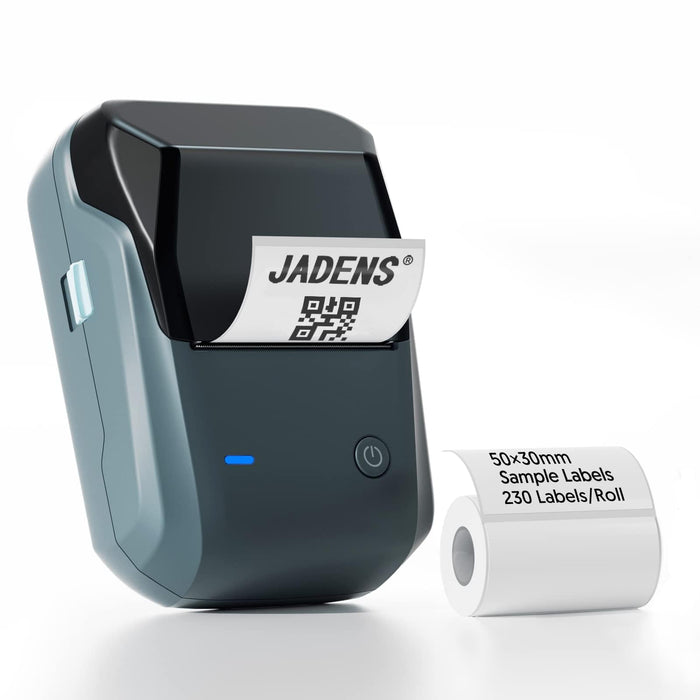
JADENS B1 Bluetooth 2-Inch Label Maker Printer by jadens.com
Legal Requirements for Product Labels
Labeling requirements are governed by a variety of regulatory authorities, each overseeing specific categories of products.
The Food and Drug Administration (FDA) regulates food, pharmaceuticals, and healthcare products, guaranteeing compliance with safety and labeling standards. The Federal Trade Commission (FTC) enforces the Fair Packaging and Labeling Act, while the USDA oversees food labeling. Compliance with specific requirements for CBD is also critical for products containing cannabinoids.
Crucial label content includes product identity, net weight, ingredient lists, and allergen warnings. Roll labels and die-cut labels must adhere to these regulations to prevent legal penalties, recalls, and guarantee consumer safety in food and beverage manufacturing and pharmaceuticals. Ingredient listing and allergen labeling is particularly essential for protecting consumers with food allergies.
Compliance is essential for maintaining trust and product integrity.
Popular Wiki Terms:
Effective Design Strategies for Labels
Effective design strategies for labels are essential for ensuring that products meet both aesthetic and functional requirements. Key elements include prioritizing visual hierarchy through legible fonts, appropriate color contrast, and effective use of whitespace. A well-designed label can spark interest and drive sales, making it crucial to consider these strategies in the design process.
Brand consistency must be maintained by incorporating recurring motifs and unified design language. Color proofing is vital in digital printing to achieve accurate color representation. The layout should follow a clear information architecture, ensuring that critical details are prioritized and easily accessible. An effective label design can enhance brand identity, which significantly influences purchasing decisions.
Considering material and manufacturing aspects, such as durable substrates and adhesive compatibility, further enhances label effectiveness across diverse applications like sheet labels.
References & Data Sources:
https://www.vocabulary.com/dictionary/label – Retrieved April 29, 2025
https://plutuseducation.com/blog/what-is-label/ – Retrieved May 1, 2024
https://en.wikipedia.org/wiki/Label – Retrieved February 1, 2025
https://help.benchling.com/hc/en-us/articles/9684247711373-Label-Printing-Basics – Retrieved April 24, 2025
https://www.durafastlabel.com/solutions/Label-Printing-101/ – Retrieved May 1, 2025
https://www.enkoproducts.com/articles/5-important-functions-of-product-labeling/ – Retrieved May 1, 2025
https://polyfuze.com/why-polyfuze/functions-of-labeling/ – Retrieved May 1, 2025
https://meyers.com/meyers-blog/all-about-product-labels/ – Retrieved May 1, 2025
https://www.stickergiant.com/sample-pack – Retrieved May 1, 2025
https://www.clearprint.com/different-types-of-product-labels-checklist/ – Retrieved April 30, 2025
https://go2products.co.uk/blogs/news/the-4-types-of-product-labelling-benefits-for-each – Retrieved April 30, 2025
https://dataclassification.fortra.com/blog/what-are-data-classification-sensitivity-labels – Retrieved April 30, 2025
https://www.bradyid.com/labels/label-material-guide – Retrieved April 30, 2025
https://www.sks-bottle.com/Labeling_Info.html – Retrieved April 30, 2025
https://www.compliancegate.com/united-states-product-labeling-requirements/ – Retrieved April 30, 2025
https://jadens.com/products/jadens-label-makers-2-inch-bluetooth-label-printer – Retrieved April 30, 2025
https://blog.mavericklabel.com/blog/labeling-regulations/ – Retrieved April 30, 2025
https://cofarmtomarket.com/food-regulations-licensing/general-labeling-requirements/ – Retrieved April 30, 2025
https://www.lotuslabels.com/unveiling-the-psychology-of-label-design/ – Retrieved April 30, 2025
https://emeritus.org/in/learn/product-management-label-design/ – Retrieved April 30, 2025