
Inkjet Definition
Inkjet printing is a digital technology that produces images by ejecting fine droplets of ink onto various substrates, such as paper and fabric. It primarily operates through two mechanisms: thermal inkjet, which uses heat, and piezoelectric, which employs electric charges. Inkjet printers achieve high resolutions, often reaching 4800 dpi, and utilize the CMYK color model for effective color reproduction. This technique’s versatility in applications, such as direct-to-substrate printing and variable data printing, showcases its growing significance in contemporary markets. Further insights into its historical development and market dynamics can provide a thorough understanding of this technology.
Definition and Basics of Inkjet Printing
Inkjet printing is a digital printing method that reproduces images and text by depositing fine droplets of ink onto various substrates, including paper and fabric.
This technology utilizes two primary mechanisms: thermal inkjet technology, which generates heat to create ink bubbles, and piezoelectric inkjet technology, which employs electric charges to control ink droplet ejection. Drop-on-Demand (DOD) technology allows for precise application of ink droplets only where needed, enhancing the efficiency of the printing process. Inkjet printers can produce high-quality images comparable to professional photos, making them suitable for a wide range of applications. The non-contact nature of inkjet printing accommodates diverse materials, making it a versatile choice for various applications, from posters to custom packaging. Inkjet printers excel in rendering fine details and producing images that closely reflect the original digital files.
Precision deposition allows for high-resolution output, achieving up to 4800 dpi. Effective color management systems guarantee accurate color reproduction using the CMYK model.
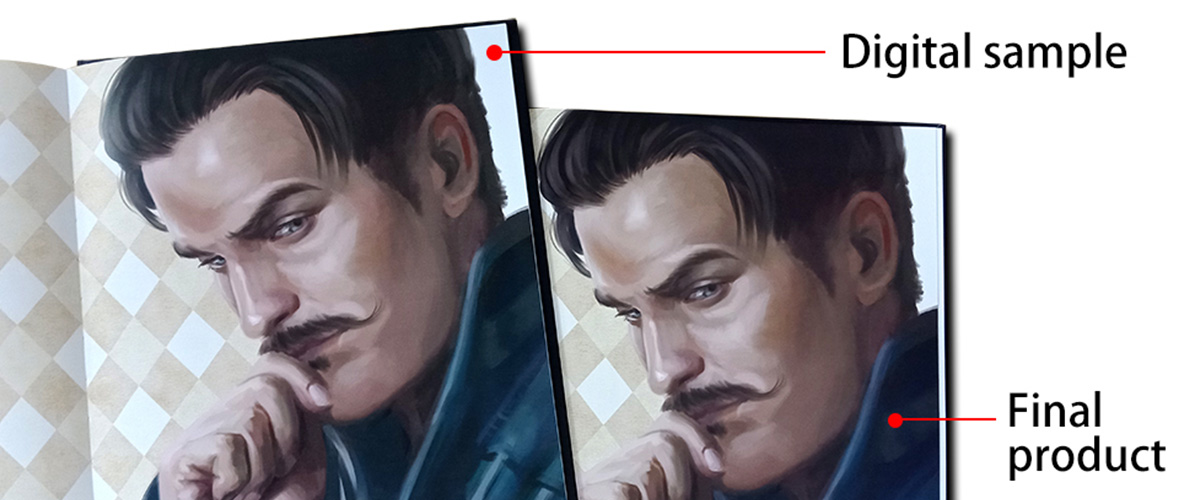
Digital Sample by qinprinting.com
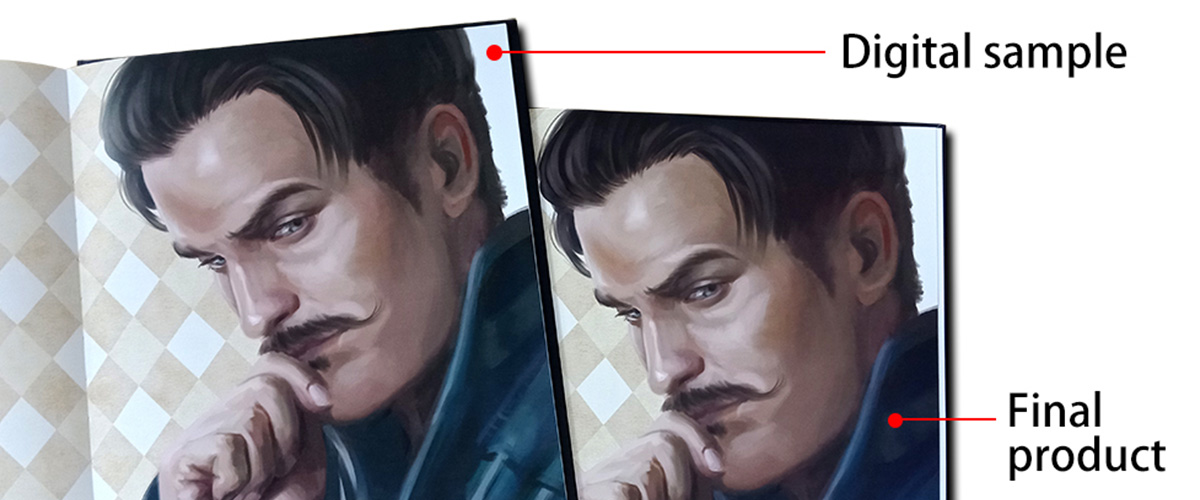
Digital Sample by qinprinting.com.au
Historical Development of Inkjet Technology
The historical development of inkjet technology traces its origins to the early 20th century, culminating in significant advancements during the 1950s. The first commercial inkjet printer emerged in 1951, utilizing nozzles to spray ink onto paper. Pioneers like Ichiro Endo at Canon introduced the thermal bubble jet concept, while John Vaught at HP developed an innovative heating method. Laser printer technology developed before inkjet technology in the consumer market, leading to competitive advancements in printing solutions. The introduction of commercial inkjet printers marked a significant milestone in the evolution of printing technology. Throughout the late 1970s to 1980s, improvements in ink formulations and nozzle designs enabled large-format inkjet printers to produce high-quality images, allowing for economic feasibility that helped drive widespread adoption of the technology.

Inkjet Fabric Sample Pack by electricquilt.com
Key Components of Inkjet Printers
Key components of inkjet printers play a significant role in determining their functionality and output quality.
The print head, equipped with microscopic nozzles, ejects precise ink droplets, influencing resolution and clarity. Ink cartridges or tanks store liquid ink, featuring microchips that track levels and communicate with the printer. Additionally, different ink combinations can enhance color accuracy in printed documents. The print head assembly consists of the print head and ink cartridges, which are crucial for delivering high-quality images. The circuit board manages the overall operation of the printer, ensuring seamless communication between components.
The control electronics and power section coordinates the printer’s functions, converting AC to DC and managing print commands.
The paper handling assembly guarantees proper feeding and alignment of various media types, utilizing rollers and sensors to advance the paper through the print path efficiently.
Together, these components enable ideal printing performance.
Applications of Inkjet Printing
Applications of inkjet printing span a diverse range of industries, reflecting its versatility and efficiency. Direct-to-substrate printing enables customization for various surfaces, enhancing product appeal. Large-format inkjet printers facilitate the production of signage, banners, and retail displays, catering to marketing needs. Additionally, drop-on-demand technology achieves unmatched quality with resolutions up to 1440 DPI, ensuring that printed materials are visually striking. Variable data printing allows for personalized marketing materials, such as event graphics and customized packaging, ensuring relevance to target audiences. Also, GIS technology supports the decoration of complex shapes, expanding the possibilities for creative and efficient production runs. In addition, on-demand production capabilities reduce waste and optimize turnaround times, supporting just-in-time inventory strategies. These applications demonstrate inkjet printing’s pivotal role in enhancing visual communication and product differentiation across multiple sectors, particularly through its use of aqueous inks that provide eco-friendly solutions for a variety of printing needs.

Domino's Next Generation Thermal Inkjet Printers Set New Standard ... by supplychainit.com

AIJP Printed Sample Book by awagami.com
Market Dynamics and Trends
Market dynamics and trends in inkjet printing reflect a robust growth trajectory driven by various factors.
The global market is projected to reach $65.94–$81 billion by 2029–2033, fueled by the expansion of the advertising industry and increased demand for custom packaging. Key applications include posters and banners, benefiting from short-run efficiency and enhanced customization capabilities. The focus on sustainability in inkjet printing is driving innovation and reducing waste in the production process. Recent data indicates that the global market size for inkjet printing is expected to be approximately USD 48.88 billion in 2024, showcasing its significant growth potential. Technological advancements, such as AI integration and automation, further streamline processes, reducing waste and improving precision. Also be aware that the inkjet printers market is anticipated to grow from USD 48.47 billion in 2024, reflecting strong demand across various sectors.
As digital advertising continues to dominate, the inkjet sector is poised for significant growth, particularly in North America, which accounted for $18.09 billion in 2024.
Popular Wiki Terms:
Advantages and Challenges of Inkjet Printers
Inkjet printers present a range of advantages and challenges that influence their selection for various printing needs. They offer cost-effectiveness, particularly for low to moderate printing volumes, while delivering high-quality color output ideal for signage, retail displays, and event graphics. Nevertheless, long-term ink costs may surpass initial savings in high-volume contexts. Print quality varies based on media, with water-based inks prone to smudging. Maintenance can be demanding, as print heads are susceptible to clogging, impacting durability. Inkjet printers excel in producing high-definition images, making them a preferred choice for photo printing. Their cost-effective nature, especially in terms of ink cartridges, further enhances their appeal for users seeking budget-friendly options. Despite these challenges, their compact size and energy efficiency make them appealing for personalized marketing materials in diverse environments. However, they may not be suitable for high-volume printing compared to laser printers, which offer lower per-page costs for such tasks.
References & Data Sources:
https://en.wikipedia.org/wiki/Inkjet_printing – Retrieved April 29, 2025
https://www.techtarget.com/whatis/definition/inkjet-printer – Retrieved May 1, 2024
https://aispa.us/blog/what-is-an-inkjet-printer/ – Retrieved February 1, 2025
https://www.qinprinting.com/digital-sample/ – Retrieved April 24, 2025
https://qinprinting.com.au/digital-sample/ – Retrieved May 1, 2025
https://www.clashgraphics.com/printing-tips/history-timeline-evolution-computer-printers/ – Retrieved May 1, 2025
https://www.redrivercatalog.com/infocenter/evolution-of-printing-technology.html – Retrieved May 1, 2025
https://labelbasic.com/blog/color-label-printing/a-brief-history-of-inkjet-printer-technology/ – Retrieved May 1, 2025
https://electricquilt.com/online-shop/inkjet-fabric-sample/ – Retrieved May 1, 2025
https://blog.atlanticinkjet.com/general-cartridges-posts/inkjet-printer-and-its-components-working-principles-of-inkjet-printer.html – Retrieved April 30, 2025
https://computer.howstuffworks.com/inkjet-printer.htm – Retrieved April 30, 2025
https://printerpartspoint.com/collections/ink-jetprinterparts – Retrieved April 30, 2025
https://www.mouser.com/blog/industrial-inkjet-printing-technologies-applications – Retrieved April 30, 2025
https://www.nano-di.com/inkjet-printing – Retrieved April 30, 2025
https://inkjetinc.com/blogs/default-blog/the-comprehensive-guide-to-industrial-ink – Retrieved April 30, 2025
https://www.supplychainit.com/dominos-next-generation-thermal-inkjet-printers-set-new-standard-for-factory-of-the-future/ – Retrieved April 30, 2025
https://awagami.com/products/aijp-printed-sample-book – Retrieved April 30, 2025
https://www.smithers.com/resources/2020/june/inkjet-print-market-in-2020-is-worth-$80-4-billion – Retrieved April 30, 2025
https://www.precedenceresearch.com/inkjet-printers-market – Retrieved April 30, 2025
https://www.researchandmarkets.com/reports/5939880/inkjet-printers-market-report – Retrieved April 30, 2025
https://www.cdwg.com/content/cdwg/en/articles/hardware/laser-printer-vs-inkjet-printer.html – Retrieved April 30, 2025
https://arrow-digital.com/benefits-of-inkjet-printing/ – Retrieved April 30, 2025
https://www.compandsave.com/blog/posts/the-advantages-and-disadvantages-of-inkjet-printers.html – Retrieved April 30, 2025