
Ink Adhesion Definition
Ink adhesion refers to the bond formed between ink and substrate surfaces, which is critical for ensuring print durability and image quality. This process involves both chemical and mechanical interactions, with effective adhesion resulting in vibrant prints. Key factors influencing ink adhesion include substrate properties, ink formulation, and surface treatments. Various printing methods may require specific ink types to optimize adhesion. Understanding these dynamics can considerably enhance printing processes and outcomes, providing insight into effective ink adhesion strategies.
Understanding Ink Adhesion
Ink adhesion is a critical factor in the effectiveness and longevity of printed materials across various substrates, including paper, plastic, and metal.
The primary function of ink adhesion is to create a strong bond between ink and substrate surfaces, ensuring durability and legibility. Chemical covalent bonding is essential for this process. Proper ink adhesion results in sharp, vibrant images, enhancing the overall print quality. Understanding the surface energy of substrates helps determine the need for additional treatments to improve ink adhesion. Adhesion testing protocols, such as the tape test and abrasion testing, evaluate the bond strength and identify potential failures. For low-energy substrates, plasma surface modifiers are often necessary to enhance surface energy, promoting ideal adhesion. Performing ink abrasion testing is essential to ensure the durability of printed materials against wear and tear.
Understanding these principles is crucial for maintaining print quality and durability in various applications.
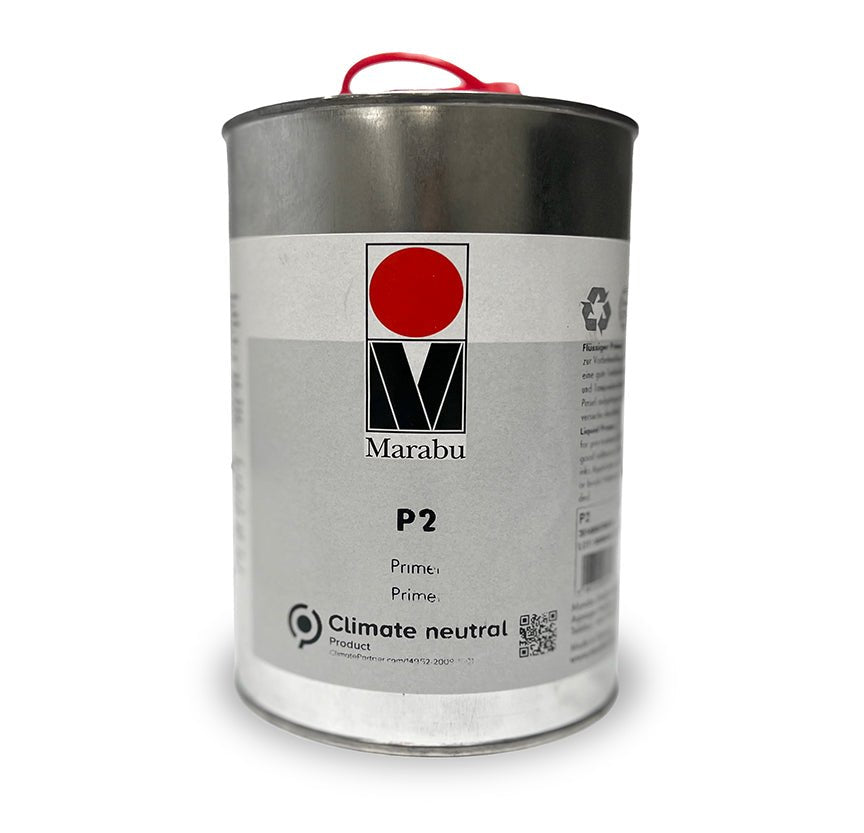
P4 Adhesion Promoter - Stainless Steel & Metals (1L) by logojet.com
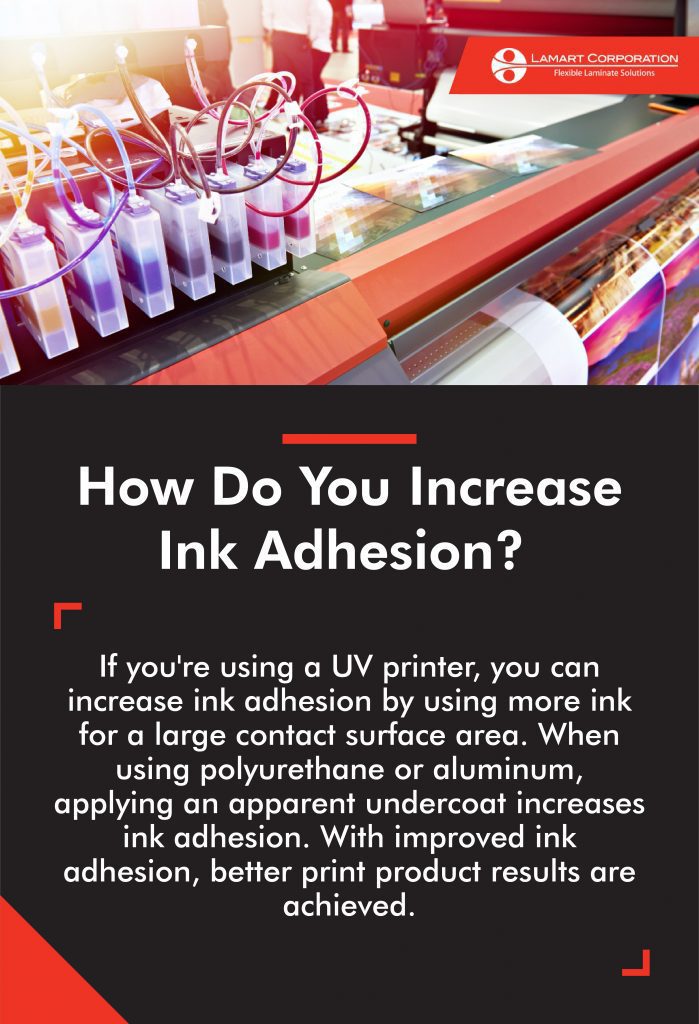
A Guide to Ink Receptive Coating for Digital Printing by lamartcorp.com
Factors That Influence Ink Adhesion
Effective ink adhesion is influenced by multiple factors that must be meticulously considered during the printing process. Substrate properties, such as surface tension and texture, play an essential role in achieving ideal bonding. Additionally, good adhesion between ink and substrate is crucial for print quality. Chemical compatibility between resin systems and substrates is vital to prevent adhesion failure. Ink formulation, including pigment dispersion and solvent selection, affects adhesion strength. Proper preparation of the substrate surface, including surface treatments, can significantly enhance ink adhesion. The choice of ink resin system tailored to specific substrates can greatly impact the adhesion quality as well.
Process control, such as monitoring curing parameters and humidity, guarantees consistent results. Post-processing factors, including abrasion resistance and environmental exposure, further influence adhesion durability. Utilizing tools like corona treaters and adhesion testers can enhance surface preparation and assessment for improved ink adhesion outcomes.
Good Adhesion Cd/dvd Screen Printing Hologram Ceres Yellow Uv Inks ... by alibaba.com
Different Printing Methods and Their Ink Requirements
Printing methods vary considerably in their requirements for ink, directly impacting the quality and efficiency of printed materials. Inkjet printing utilizes water-based inks for high-resolution images, suitable for paper and light substrates. Digital printing is particularly popular for modern applications due to its versatility and efficiency. Flexography employs versatile inks, including water- and solvent-based options, for high-speed outputs on flexible materials. Offset lithography uses oil-based inks, favoring high volumes on diverse papers. Screen printing features thick ink layers for durability across various materials, while gravure printing utilizes liquid solvent inks for premium quality in long-run projects. Each method demands specific ink formulations to achieve ideal adhesion and performance based on substrate characteristics, including eco-solvent inks which offer good scratch resistance and vibrant colors. This variety in ink types allows for enhanced print quality across different printing methods.
The Science Behind Ink Adhesion
Adhesion of inks to substrates is governed by a complex interplay of physical and chemical interactions. Surface tension is critical; if the substrate’s surface tension is lower than that of the ink, adhesion falters. Physical interactions, such as mechanical anchoring, enhance adhesion, particularly on rough surfaces. Chemical reactions between the ink and substrate create durable bonds. Intermolecular forces, including dispersion and orientation forces, contribute to adhesion. The substrate’s properties, such as porosity and surface energy, considerably influence ink absorption and adhesion. Understanding these mechanisms is essential for developing effective printing solutions across various applications. Also, surface treatment techniques play a vital role in improving adhesion, especially on low-energy materials. Proper surface preparation is crucial to ensure optimal adhesion and prevent common adhesion failures.
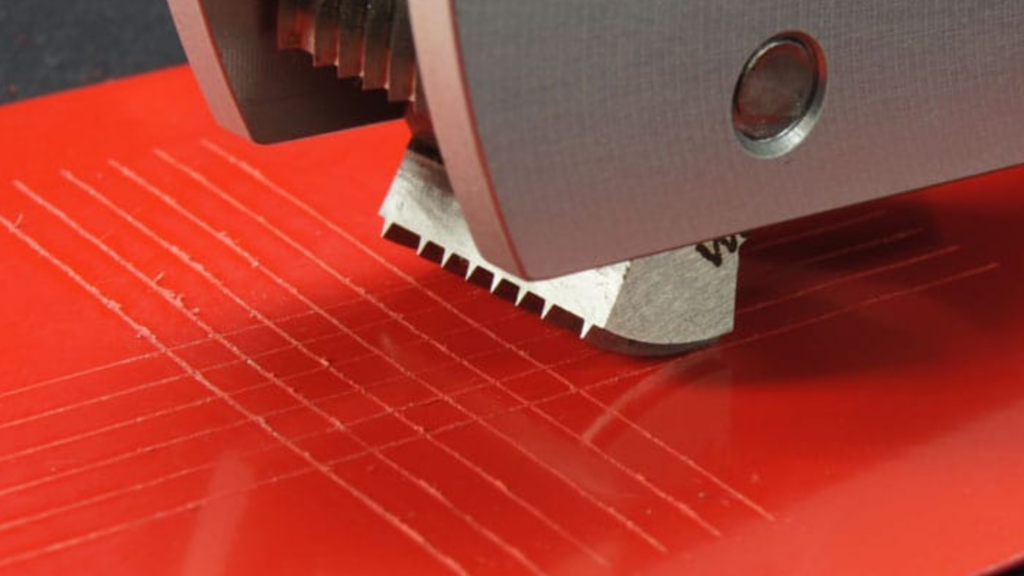
Ink Adhesion Testing Services by bostonindustrialsolutions.com
Super Adhesion Magnetic Screen Printing Ink for PCB Semiconductor ... by alibaba.com
Materials and Treatments for Enhanced Adhesion
Understanding the factors that influence ink adhesion leads to the exploration of materials and treatments that enhance this property.
Substrates like polypropylene and polyethylene require corona treatment to increase surface energy, while polyarylamide exhibits improved adhesion with similar pre-treatments. Flame treatment effectively removes contaminants and enhances surface tension for various materials. Plasma treatment modifies surfaces through ionized gas, optimizing bonding. Post-treatment processes such as heat baking and primer applications further enhance adhesion. These methods guarantee that the ink adheres effectively to challenging substrates, ultimately supporting industries such as manufacturing, retail packaging, and aerospace components in achieving high-quality printing results. Surface treatment is essential for establishing ink layer receptivity, ensuring optimal adhesion. Also, maintaining proper printing temperatures between 25°C and 30°C is crucial for achieving effective UV ink adhesion. The choice of UV ink is also vital, as its surface tension must align properly with that of the substrate to prevent issues with ink beading.
Popular Wiki Terms:
Testing and Evaluation of Ink Adhesion
Effective evaluation of ink adhesion is critical for guaranteeing that printed materials meet industry standards and consumer expectations. Various methods exist for testing adhesion, including manual testing with pressure-sensitive tape, the crosshatch test, and abrasion testing. Equipment such as crosshatch tools, pressure-sensitive tapes, and sclerometers facilitate standardized assessments. Compliance with ASTM D 3359 and other industry-specific standards guarantees consistent quality. Regular testing is essential for quality control, particularly in packaging and print media. Ultimately, proper ink adhesion testing safeguards product integrity, enhances consumer satisfaction, and supports the development of new ink formulations tailored to specific ink adhesion requirements. The crosshatch cutting process is crucial for creating a reliable grid for accurate adhesion testing results. Understanding the importance of adhesion testing helps prevent failures like peeling and blistering, which can compromise product performance.
References & Data Sources:
https://million.com.sg/what-you-need-to-know-about-ink-adhesion-why-it-matters/ – Retrieved April 29, 2025
https://epsvt.com/services/ink-science/ – Retrieved May 1, 2024
https://www.kaocollins.com/inktank/how-to-do-ink-adhesion-and-abrasion-testing/ – Retrieved February 1, 2025
https://www.logojet.com/products/p2-adhesion-promoter-for-plastics-1-liter-bottle – Retrieved April 24, 2025
https://lamartcorp.com/blog/ink-receptive-coating/ – Retrieved May 1, 2025
http://www.labelsandlabeling.com/label-academy/article/factors-affecting-surface-treatment-and-ink-adhesion – Retrieved May 1, 2025
https://kenteer.com/uv-printing-exploring-the-factors-affecting-ink-adhesion-and-durability/ – Retrieved May 1, 2025
https://www.sinosunman.com/what-factors-affect-ink-adhesion-fastness_n55 – Retrieved May 1, 2025
https://www.alibaba.com/product-detail/Good-adhesion-cd-dvd-screen-printing_1601116581842.html – Retrieved May 1, 2025
https://www.clashgraphics.com/printing-tips/the-printing-methods-guide/ – Retrieved April 30, 2025
https://platongraphics.com/a-comparison-of-large-format-printing-methods-digital-vs-screen-vs-offset/ – Retrieved April 30, 2025
https://www.chromoink.com/eknowledgeshow.php?nid=359 – Retrieved April 30, 2025
https://www.brighton-science.com/blog/fundamentals-of-adhesion-why-3-molecular-layers-matter – Retrieved April 30, 2025
https://bostonindustrialsolutions.com/services/ink-adhesion-testing-services – Retrieved April 30, 2025
https://www.alibaba.com/product-detail/Super-Adhesion-Magnetic-Screen-Printing-Ink_1600762987791.html – Retrieved April 30, 2025
https://www.enerconind.com/web-treating/library-resource/improve-ink-printing-adhesion-with-surface-treating/ – Retrieved April 30, 2025
https://bostonindustrialsolutions.com/blog/how-to-improve-uv-ink-adhesion/ – Retrieved April 30, 2025
https://www.inkcups.com/blog/uv-ink-adhesion-improvement-components/ – Retrieved April 30, 2025
https://www.inkcups.com/blog/ink-adhesion-testing-methods-for-digital-printing/ – Retrieved April 30, 2025
https://blog.nekoosa.com/adhesion-testing – Retrieved April 30, 2025