
Hemp Paper Definition
Hemp paper is a type of paper made from the fibers of the hemp plant (*Cannabis sativa*). It serves as a sustainable alternative to conventional wood-based paper. The production process involves harvesting hemp, extracting fibers, and creating pulp with fewer chemicals and reduced water usage. Hemp paper exhibits high tensile strength and durability, making it suitable for various applications, including packaging and stationery. Its eco-friendly attributes contribute to its growing demand among environmentally conscious consumers and businesses. Further information reveals additional applications and benefits.
Overview of Hemp Paper
Hemp paper is derived from the pulp of industrial hemp (*Cannabis sativa*), utilizing its fibers or hurds to create a sustainable and versatile product. Composed of 57-85% cellulose, hemp fibers outperform traditional wood pulp, which contains only 30-50%. This high cellulose content reduces chemical processing needs, contributing to environmental factors that underscore its sustainability. Hemp paper has been used for centuries, dating back to the early Western Han dynasty (200 BC), showcasing its long-standing significance. Additionally, hemp paper production results in 58% less solid waste and 84% less greenhouse gases compared to wood paper, further emphasizing its eco-friendly characteristics. Hemp paper is biodegradable, making it an eco-friendly choice for commercial printing applications such as brochures and packaging materials. Its rapid growth cycle and low resource requirements further enhance its appeal as a renewable resource, promoting a reduction in deforestation and minimizing ecological impact. The sustainable fiber production of hemp supports biodiversity and offers an alternative to traditional sources.

Duna Wallcoverings - Larsen Fabrics by larsenfabrics.com
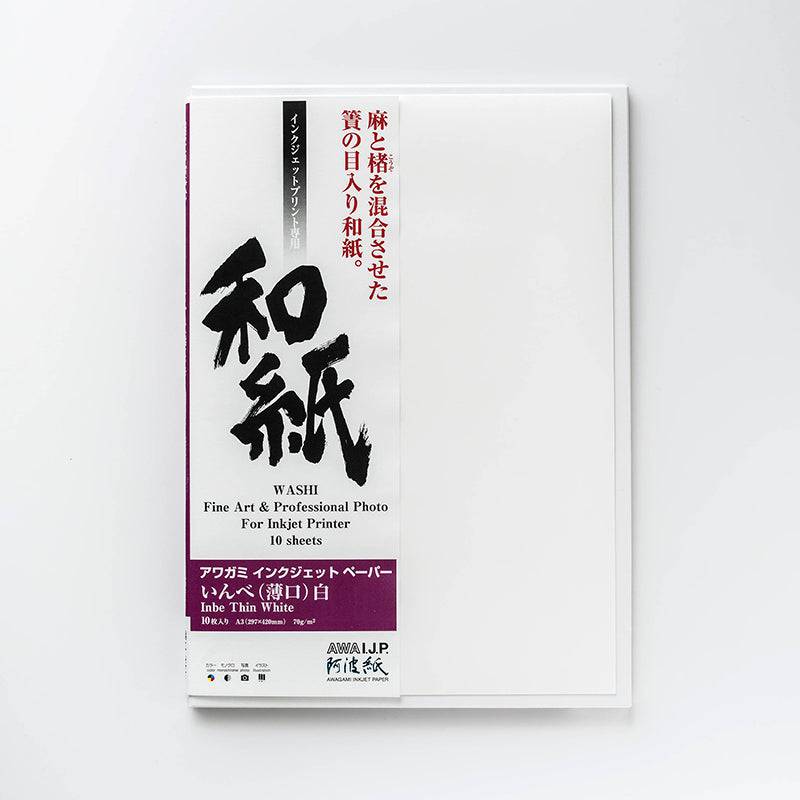
Inbe Thin 70gsm White (Hemp + Kozo) by awagami.com
Production Process
The production process of hemp paper involves several distinct stages, beginning with the separation of the plant’s fibers into long bast fibers and short hurd fibers. The hurd fibers are preferred for their softer texture and ease of pulping. During pulping, these fibers undergo mechanical and chemical treatments to break down lignin, producing refined pulp. This pulp is mixed with water during slurry formation to create a uniform fiber suspension. Subsequently, sheets are formed and subjected to drying and finishing processes, which can include steam-heated cylinders or air drying. The final product features a smooth surface texture, suitable for eco-friendly publications. Notably, hemp stalks contain up to 85% cellulose, significantly higher than what is found in wood, which contributes to the efficiency of the paper production process. The process involves handmade sheets that can incorporate various additives, enhancing both texture and visual appeal. The sustainable alternative of using hemp provides an eco-friendly solution that reduces deforestation and promotes renewable resources.
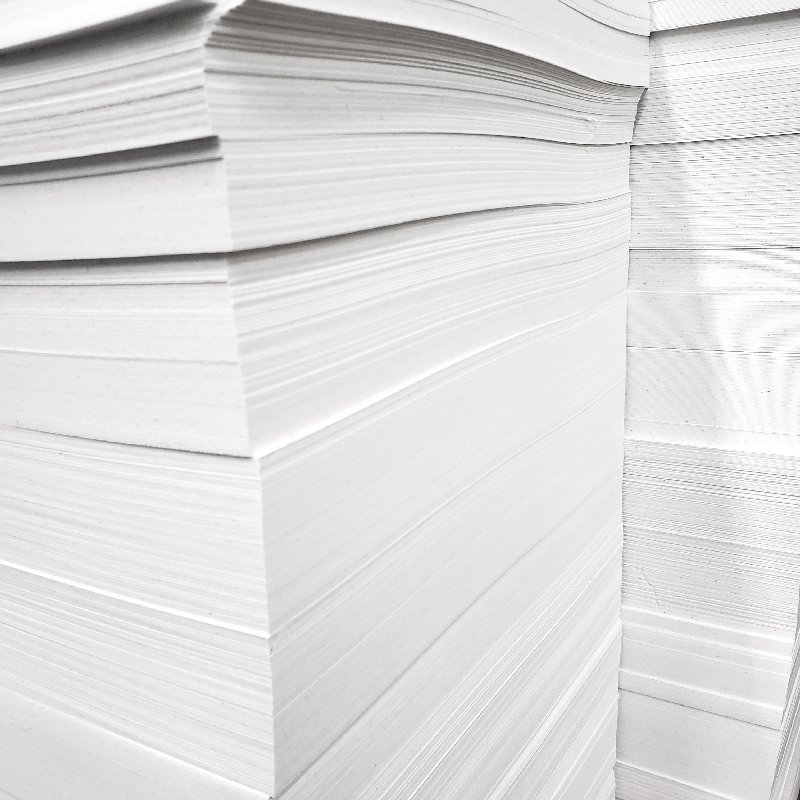
Hemp Paper Reams by printedonhemp.com
Environmental Benefits
Significant environmental benefits are associated with hemp paper production, particularly regarding resource conservation and reduced ecological impact.
Hemp serves as a renewable resource, yielding more pulp per acre compared to trees, thereby enhancing resource efficiency. Its cultivation promotes soil and water conservation, requiring approximately 50% less water than traditional tree paper production. Hemp paper minimizes chemical pollution, as it does not need chlorine bleach and results in safer waste byproducts. With lower carbon emissions and high carbon sequestration during growth, hemp paper contributes to climate impact mitigation while also supporting the recycling of materials, including recycled paper stock. Also, hemp is naturally resistant to pests, which eliminates the need for harmful herbicides and pesticides in its cultivation. Also be aware that the production of hemp paper requires fewer toxic chemicals, making it a more environmentally friendly option compared to wood paper. This rapid growth cycle of hemp allows for faster turnover, further enhancing its sustainability compared to traditional paper sources.
Physical Properties
Physical properties of hemp paper are defined by its unique fiber composition and mechanical characteristics. Typically, paper weight ranges from 70 to 120 gsm, with thickness varying based on the fiber type used. Hemp paper exhibits superior durability characteristics, including high tensile strength and resistance to tearing and yellowing. Its moisture resistance further enhances longevity, as hemp fibers do not absorb water easily. The natural texture varies, influenced by the use of long bast fibers, which yield thinner, crumbly paper, or short fibers, which produce thicker, softer sheets. The bast fibers in hemp paper contribute to its high tensile strength, making it more durable than many traditional paper types. This durability is a result of hemp having longer fibers, which provide greater strength and resilience compared to wood fibers.
Smartpress Achieves Environmental Milestone with Sustainable Hemp by smartpress.com
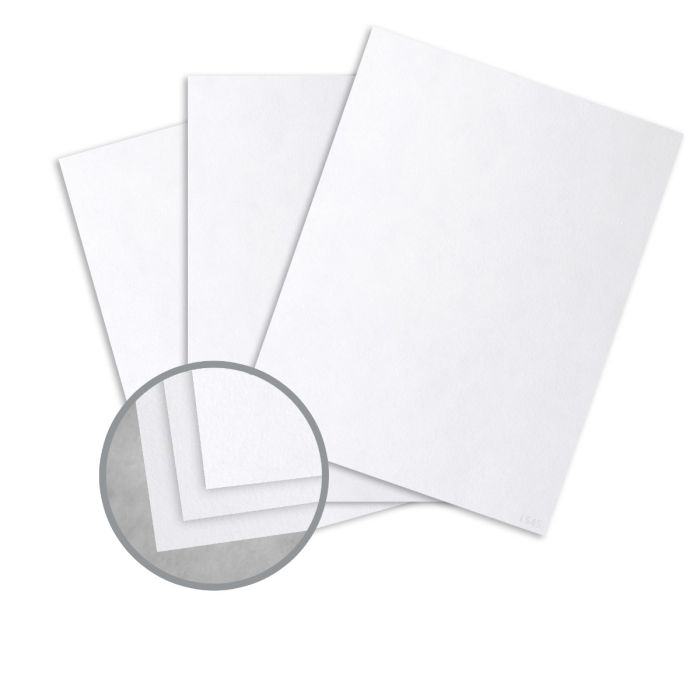
Hybrid Hemp White Paper - 29.528 x 20.866 in 54 lb Text Smooth ... by thepapermillstore.com
Industrial Applications
Hemp paper has garnered attention in various industrial applications due to its unique properties and versatility. With a typical weight ranging from 70 to 120 gsm, it exhibits high tensile strength and is resistant to tearing, making it suitable for demanding environments. Its finishing compatibility allows for processes such as die-cutting and embossing, facilitating diverse applications. Hemp paper serves as an eco-friendly alternative to conventional packaging materials, providing sustainable options for both food and non-food products. It is being explored as a blended pulp product, enhancing the durability of cardboard and containerboard while minimizing environmental impact from traditional wood paper production. The use of hemp paper also supports sustainable practices in the paper industry by reducing reliance on tree-based sources. Also, the rapid growth of hemp makes it a highly renewable resource compared to traditional wood sources.
Popular Wiki Terms:
Market and Sustainability
Market growth projections indicate a compound annual growth rate (CAGR) of 15-36.9%, driven by sustainability advantages such as eco-friendly production and low environmental impact. Consumer awareness of hemp’s biodegradability and carbon sequestration capabilities fosters demand. Nevertheless, competition from substitutes like recycled paper and bamboo presents challenges. Value chain opportunities exist in technology advancements, collaborative research, and diversification into non-traditional applications. The market’s potential is underscored by regulatory support, particularly in North America, encouraging the shift toward renewable resources and sustainable materials. The global hemp paper market size is valued at USD 956.6 million in 2024, highlighting its growing significance. This growth is further propelled by the increasing demand for eco-friendly and sustainable products.
References & Data Sources:
https://en.wikipedia.org/wiki/Hemp_paper – Retrieved April 28, 2025
https://hemptique.com/pages/what-is-hemp-paper – Retrieved April 30, 2024
https://mill26.com/what-is-hemp-paper/ – Retrieved January 30, 2025
https://www.larsenfabrics.com/collections/collections/new-collection/duna-wallcoverings/ – Retrieved April 23, 2025
https://awagami.com/products/inbe-thin-70gsm-white-hemp-kozo – Retrieved April 30, 2025
https://hempfoundation.net/explained-how-hemp-paper-is-produced/ – Retrieved April 30, 2025
https://mill26.com/how-to-make-hemp-paper/ – Retrieved April 30, 2025
https://printedonhemp.com/products/hemp-paper-reams – Retrieved April 30, 2025
https://wordpress.kpu.ca/najikad93/does-hemp-paper-impact-the-environment/ – Retrieved April 30, 2025
https://vicentellp.com/insights/national-hemp-month-spotlight-hemp-paper-and-plastics/ – Retrieved April 29, 2025
https://www.paperpapers.com/news/hemp-paper/ – Retrieved April 29, 2025
https://www.paperonweb.com/Hemp.htm – Retrieved April 29, 2025
https://mill26.com/hemp-paper-vs-wood-paper/ – Retrieved April 29, 2025
https://smartpress.com/blog/press-releases/smartpress-achieves-environmental-milestone-with-sustainable-hemp – Retrieved April 29, 2025
https://www.thepapermillstore.com/hybrid-hemp-white-paper-20-866-x-29-528-in-54-lb-text-smooth-250-per-package-1.html – Retrieved April 29, 2025
https://www.hempbenchmarks.com/hemp-market-insider/bringing-hemp-paper-back-into-the-fold/ – Retrieved April 29, 2025
https://www.hempflax.com/en/applications/industrialapplications/ – Retrieved April 29, 2025
https://fabricmaterialguide.com/hemp-in-industrial-applications-rope-canvas-and-beyond/ – Retrieved April 29, 2025
https://www.theinsightpartners.com/reports/hemp-paper-market – Retrieved April 29, 2025
https://www.databridgemarketresearch.com/reports/global-hemp-paper-market – Retrieved April 29, 2025
https://www.marketsandmarkets.com/Market-Reports/industrial-hemp-market-84188417.html – Retrieved April 29, 2025