
GRACoL (General Requirements for Applications in Commercial Offset Lithography) Definition
GRACoL, or General Requirements for Applications in Commercial Offset Lithography, is a set of standards established to enhance color consistency and quality control in commercial printing. Initiated in 2006, it focuses on minimizing waste and improving print uniformity by emphasizing gray balance and aligning with ISO 12647-2 specifications. GRACoL requires systematic calibration and third-party certification to guarantee adherence to its criteria, supporting enhanced production efficiency and brand integrity across various print processes. Further detail is available on its technical applications.

Quick Summary
- GRACoL establishes standardized print appearance specifications to ensure color consistency and quality control in commercial offset lithography.
- It emphasizes gray balance over traditional metrics like density and dot gain for improved visual uniformity.
- GRACoL requires systematic calibration and third-party certification to align printing processes with its color consistency metrics.
- The framework integrates G7 and ISO 12647-2 standards, enhancing overall color quality and control in the printing industry.
- Adoption of GRACoL helps streamline workflows, reduce waste, and improve client satisfaction through consistent print quality.
Core Guidelines & Origins
The development of GRACoL in 2006 marked a significant advancement in the field of commercial offset lithography. Created by Don Hutcheson under the International Digital Enterprise Alliance, GRACoL addresses challenges in color consistency and quality control. The guidelines establish standardized print appearance specifications, minimizing waste while enhancing visual uniformity across various printers and devices. GRACoL emphasizes gray balance, shifting from traditional metrics such as density and dot gain. Also, the G7 Gracol Print Standard aims to create consistency in print quality and color accuracy. It aligns with ISO 12647-2, integrating early frameworks like CGATS 22/DTR 004. These efforts aim to reduce variability and guarantee consistent outcomes across diverse printing environments. The collaborative efforts with PRINTING United Alliance further enhance the development of printing standards across the industry. Implementing the GRACoL standard helps to achieve consistent color across offset, digital, and wide format printing.
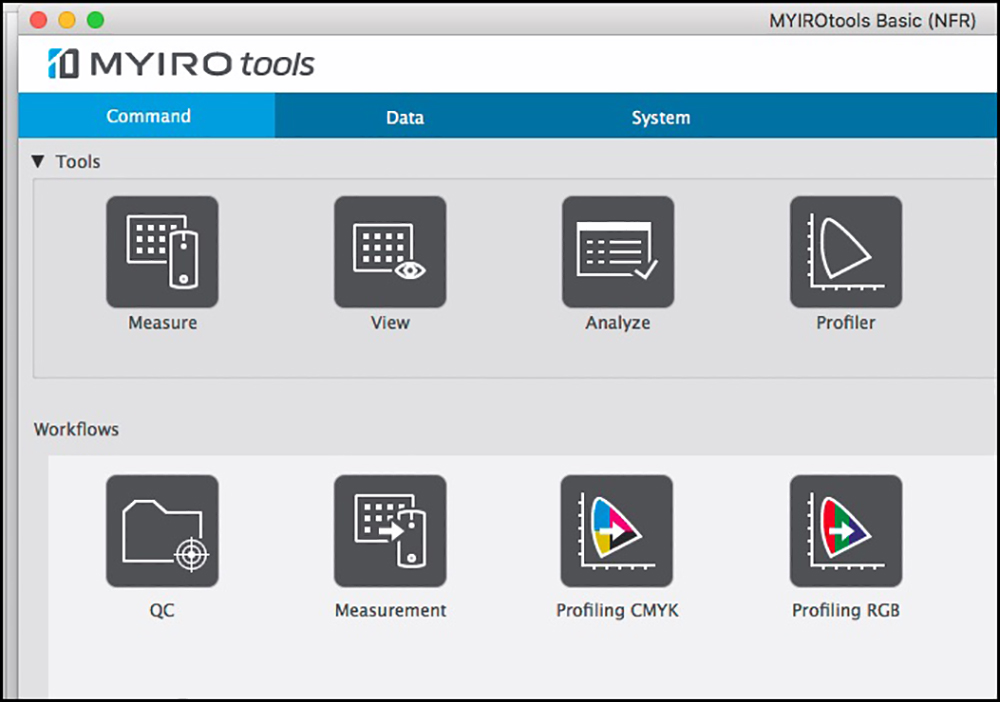
Is There a Spectrophotometer in Your Future? (MYIRO-1 or i1Pro3 ... by photopxl.com
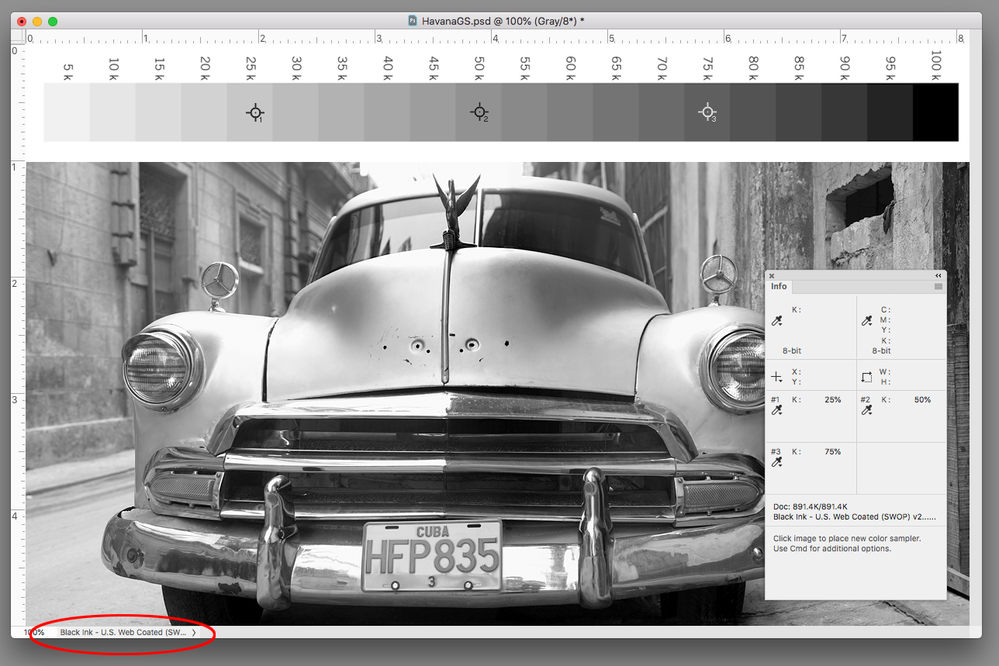
Preserving Greyscale Dot Gain in CMYK mode - Adobe Community ... by community.adobe.com
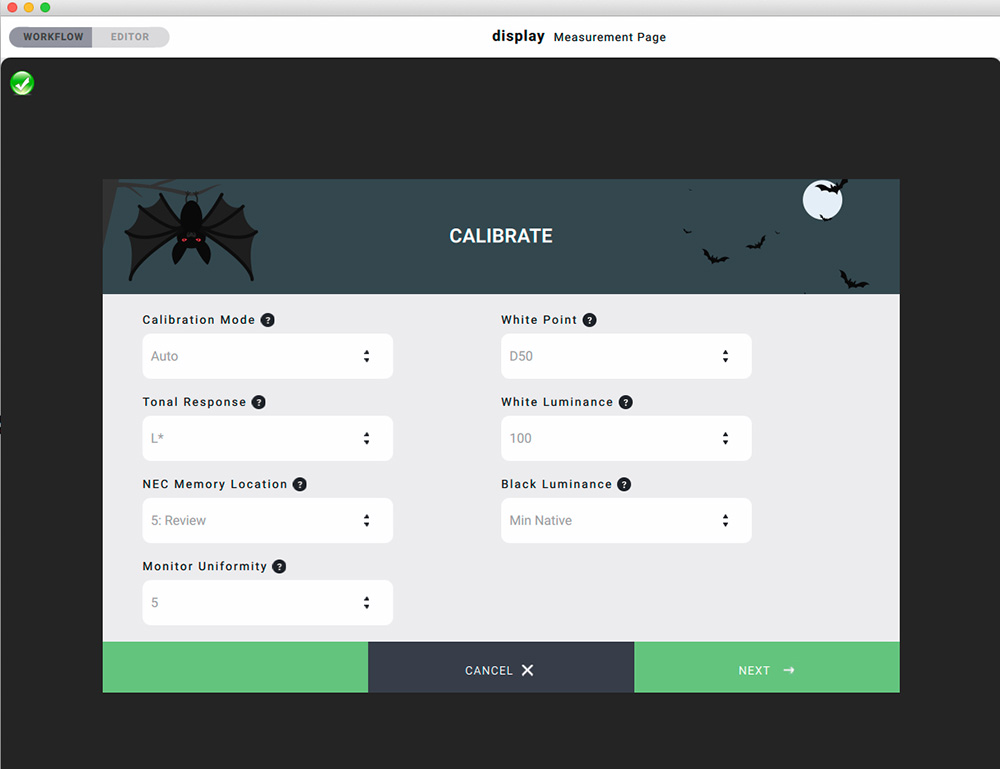
basICColor display 6 – Monitor Profiling Software – PhotoPXL by photopxl.com
Implementation & Calibration
Implementation of GRACoL standards necessitates a systematic approach to calibration, ensuring that all printing processes align with established color consistency metrics. This involves third-party certification to validate press and digital setups. Calibration includes adjusting ink transfer and dot gain to meet GRACoL specifications. Iterative testing of printed forms refines curves until color tolerances are achieved. Utilizing color management solutions, all output devices are profiled to GRAcoL standards, maintaining consistency across prints. The G7 master qualification program supports this process, fostering compliance with GRACoL certification standards and enhancing predictability in commercial offset lithography workflows. This approach also incorporates G7 methodology, which focuses on achieving visual match between proofs and final prints. Also, maintaining consistent ink density is crucial for ensuring vibrant and accurate color reproduction throughout the printing process.
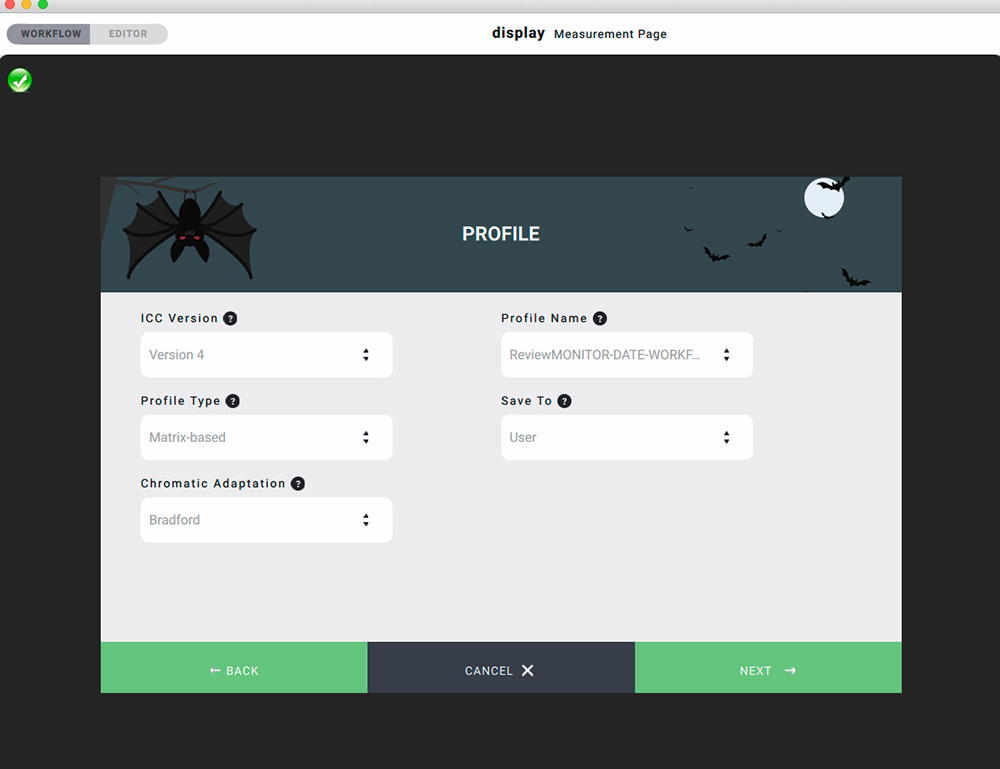
basICColor display 6 – Monitor Profiling Software – PhotoPXL by photopxl.com
Technical Specifications
In commercial offset lithography, technical specifications play a critical role in ensuring color consistency and quality control.
These specifications include the integration of G7 and ISO 12647-2 standards, which align grayscale calibration with established colorimetric tolerances. Core characteristics, such as neutral density target curves and total area coverage values, are essential for achieving accurate color reproduction.
The CGATS TR-006 dataset provides an extensive set of color patches for precise ΔE00-based matching.
Certification programs further support adherence to these specifications, facilitating ideal outcomes in commercial printing processes and ensuring professional standards are maintained across the industry.
Advantages in Production
Notable advantages arise from implementing GRACOL standards in commercial offset lithography production. These standards streamline print workflows, enhancing collaboration among print buyers, designers, and suppliers. By reducing revisions and facilitating standardized communication, project turnaround times improve considerably. Color specialists benefit from defined process controls that minimize waste and rework while ensuring predictable print outcomes. Production efficiency gains are evident through simplified press adjustments and optimized ink usage. Adopting GRACOL allows for consistent output across various technologies, ultimately improving quality assurance and aligning with industry benchmarks. Such improvements support the publishing industry’s goal of delivering high-quality printed materials efficiently. The color setting ensures consistency in print quality, which is crucial for maintaining brand integrity across different print jobs. Also, adherence to GRACOL standards contributes to improved print durability, ensuring that printed materials withstand environmental factors over time. Strong ink adhesion is essential to achieving the high-quality print results mandated by GRACOL guidelines.
Relationship With G7
As GRACoL evolved from its inception in 1996, its relationship with the G7 methodology became increasingly integral to its framework. The introduction of G7 principles enabled GRACoL to enhance color consistency and quality control within the packaging and printing industries of America (PIA). Key advancements included the incorporation of Neutral Print Density Curves (NPDC) and the shift from traditional densitometry to spectral data-based calibration. This alignment fosters a shared neutral appearance across various print technologies, ensuring adherence to ISO 12647-2 standards. Consequently, G7 serves as a foundational element in GRACoL’s commitment to reliable, repeatable print quality across diverse substrates. Additionally, the adoption of spectrophotometry has further bolstered the accuracy of color measurement and control within the GRACoL framework. Also be aware that the G7 Master Printer designation guarantees that qualified printing companies maintain the highest quality printing standards. Over 50,000 printers globally implement G7 workflows, showcasing the widespread acceptance and effectiveness of this calibration methodology. Offset printing techniques, known for their high-quality visuals, play a vital role in achieving the standards set by GRACoL and G7. Also, the integration of UV printing technologies has expanded the capabilities of printers to produce vibrant and durable outputs, aligning perfectly with the demands of modern printing practices.
Popular Wiki Terms:
Practical Applications
Implementing GRACoL principles enhances the practical applications of color management in commercial offset lithography. This approach standardizes color parameters across print jobs, resulting in reduced re-makes and streamlined turnaround times.
By aligning ICC profiles with GRACoL targets, prepress corrections are minimized, benefiting both digital printing and offset lithography. The Printing Industries of America (PIA) supports these practices, facilitating smoother workflows in signage and other industries. Understanding the CMYK color model is essential for achieving accurate color reproduction in these processes.
GRACoL’s emphasis on gray balance and efficient ink usage promotes consistent quality, ensuring that client expectations are met while maintaining brand integrity across various print processes, including wide-format applications. Utilizing inkjet technology can further enhance the versatility and quality of printed materials.
References & Data Sources:
https://footeprinting.com/what-is-the-g7-gracol-print-standard – Retrieved April 6, 2025
https://idealliance.org/specifications/gracol/ – Retrieved April 8, 2024
https://www.fotoprint.ca/guidelines/gracol – Retrieved January 8, 2025
https://photopxl.com/is-there-a-spectrophotometer-in-your-future-myiro-1-or-i1pro3/ – Retrieved April 1, 2025
https://community.adobe.com/t5/color-management/preserving-greyscale-dot-gain-in-cmyk-mode/td-p/11080395 – Retrieved April 8, 2025
https://photopxl.com/basiccolor-display-6-monitor-profiling-software/ – Retrieved April 8, 2025
https://support.printpapa.com/kb/a485/what-is-gracol-what-are-correct-settings-exporting-artwork-pdf-format-from-adobe-applications.aspx – Retrieved April 8, 2025
https://www.hollandlitho.com/gracol_and_g7_standardizing_color_appearance.html – Retrieved April 8, 2025
https://224664-286886.apps-06.cloudsonic.dev/term/g7-certification/ – Retrieved April 8, 2025
https://224664-286886.apps-06.cloudsonic.dev/term/ink-density/ – Retrieved April 7, 2025
https://quizlet.com/708965757/exam-1-2-4400-flash-cards/ – Retrieved April 7, 2025
https://224664-286886.apps-06.cloudsonic.dev/term/print-durability/ – Retrieved April 7, 2025
https://224664-286886.apps-06.cloudsonic.dev/term/ink-adhesion/ – Retrieved April 7, 2025
https://idealliance.org/what-are-swop-and-gracol-and-how-do-they-relate-to-g7/ – Retrieved April 7, 2025
https://www.universalprinting.com/GRACoLG7.aspx – Retrieved April 7, 2025
https://connect.idealliance.org/g7/about/scienceofg7 – Retrieved April 7, 2025
https://224664-286886.apps-06.cloudsonic.dev/term/offset-printing/ – Retrieved April 7, 2025
https://224664-286886.apps-06.cloudsonic.dev/term/uv-ultraviolet/ – Retrieved April 7, 2025
https://224664-286886.apps-06.cloudsonic.dev/term/cmyk-cyan-magenta-yellow-black/ – Retrieved April 7, 2025
https://224664-286886.apps-06.cloudsonic.dev/term/inkjet/ – Retrieved April 7, 2025