
Font Weight Definition
Font weight refers to the thickness or density of character strokes within a typeface. It varies from thin to bold and plays a critical role in establishing visual hierarchy and enhancing readability. In CSS, the `font-weight` property allows specification of these weights using keyword or numeric values. Effective use of font weight improves legibility across digital platforms. Understanding its technical aspects can further support effective design decisions and communication strategies in various contexts.
Definition of Font Weight
Font weight is a critical typographic parameter that denotes the thickness or density of the strokes within a typeface. It ranges from thin to bold, influencing visual hierarchy and the overall design.
Variations in font weight enhance legibility, especially in different contexts and lighting conditions. Heavier weights can create contrast, drawing attention to specific elements and providing emphasis where needed.
Conversely, lighter weights contribute to readability in body text. The appropriate use of font weight is essential for effective communication, ensuring that information is accessible and easily distinguishable for all users, including those with visual impairments.
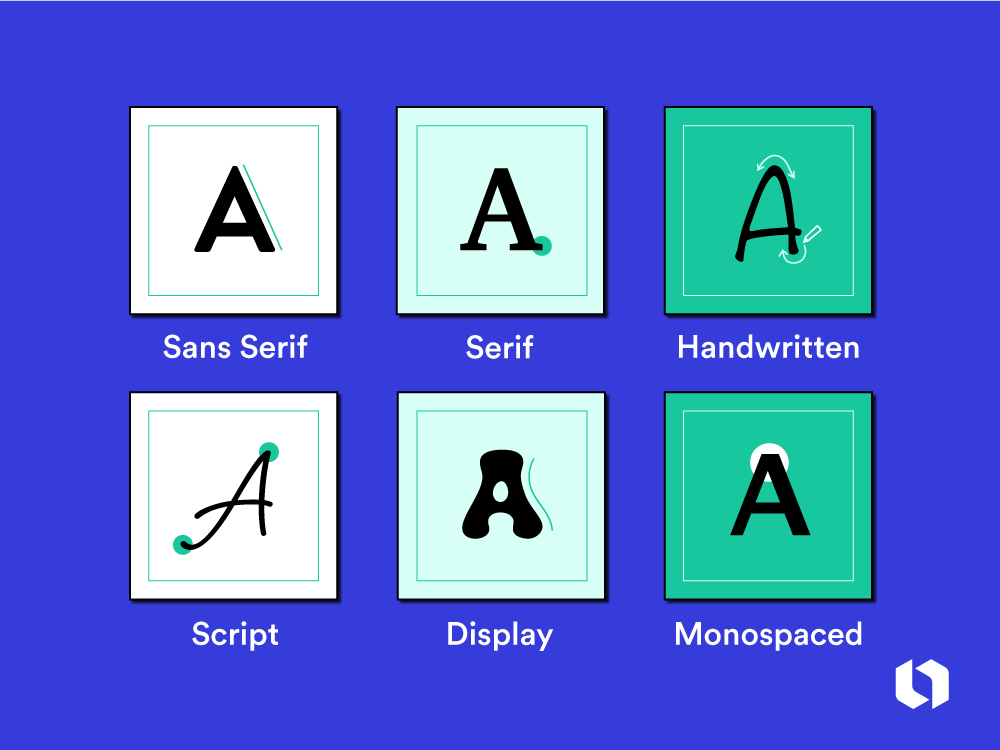
Types of Fonts: The Ultimate Guide to Fonts Styles by looka.com
CSS Implementation of Font Weight
How can the `font-weight` property in CSS effectively enhance typography on web pages?
The CSS implementation of font weight allows designers to specify various thicknesses, impacting readability and visual hierarchy. Font weights can be set using keyword values, such as `normal` and `bold`, or numeric values ranging from 100 to 900.
This flexibility is particularly beneficial with variable fonts, enabling fine-grain control over text appearance.

Swiss Style: The Principles
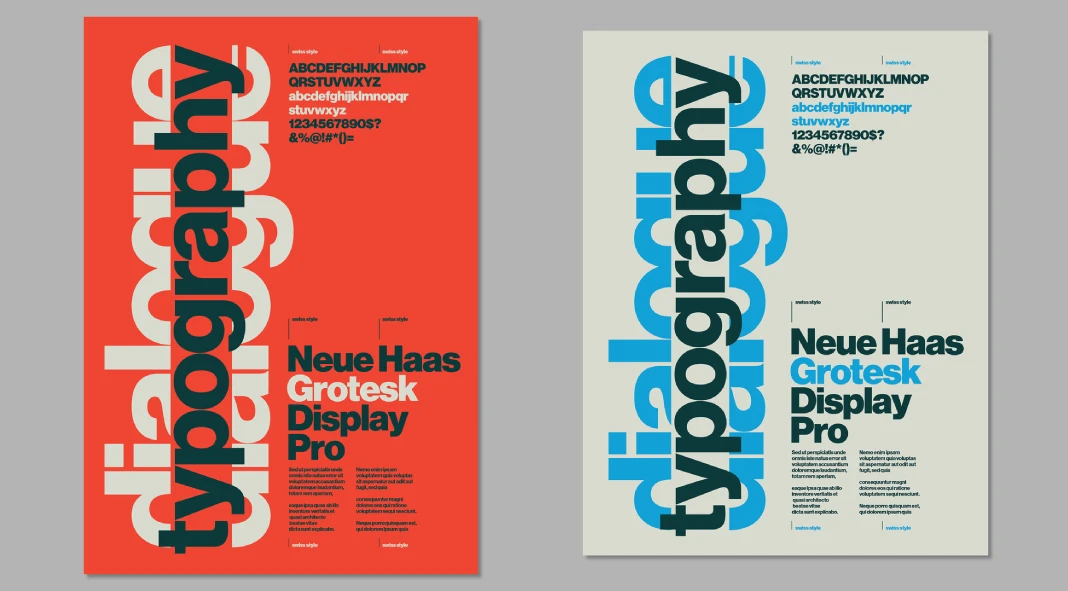
the Typefaces & the Designers – PRINT ... by printmag.com
The Importance of Visual Hierarchy
Visual hierarchy serves as a foundational principle in design, facilitating the organization of content according to its importance. It enhances clarity and readability by strategically employing boldness and visual weight to guide user focus.
Implementing effective hierarchy involves prioritizing elements through size, color, and placement. Font pairing considerations are vital, as contrasting weights create balance and guarantee clarity, while light captions complement heavier text.
This structured approach not only aids navigation but also influences user engagement and decisions. By establishing a clear hierarchy, designers foster an intuitive experience, ultimately supporting the effective communication of information and enhancing overall usability.
Design Considerations for Font Weight
Effective design considerations for font weight play a significant role in establishing hierarchy and visual emphasis within various contexts. Typeface selection should balance heavy weights for key information and light weights for larger text to enhance readability factors.
A contrast ratio of 3:1 is essential for clarity between elements. Medium weights are ideal for body text, while heavy weights project authority in brand alignment.
Contextual adaptation is vital; heavy weights are preferred in low-light conditions. Maintaining accessibility standards, light weights should not be used in low-contrast scenarios.
Thoughtful weight combinations can differentiate content and create a cohesive visual experience.
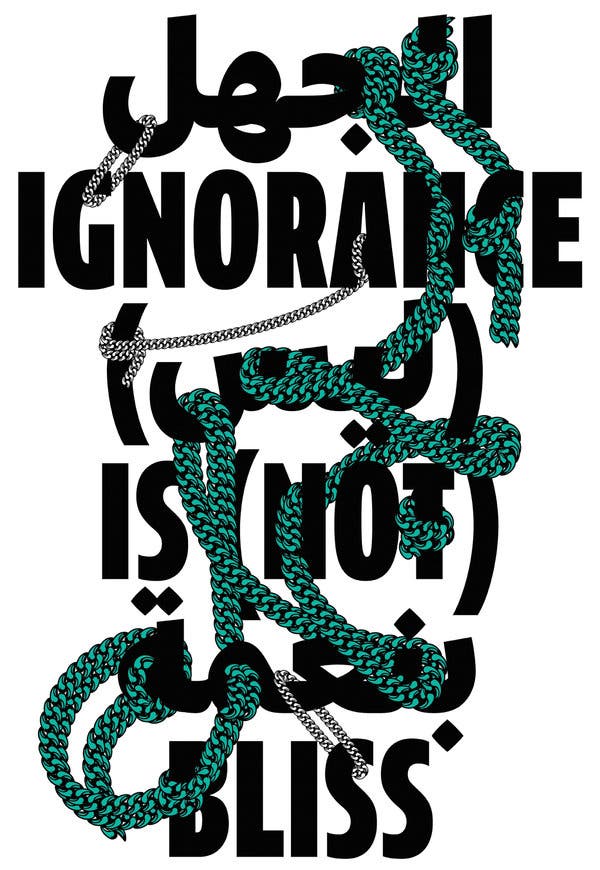
Typographic Poster Template: Swiss Style for Illustrator by weandthecolor.com
Technical Aspects of Font Weight
Font weight encompasses a range of numerical values that indicate the thickness or boldness of a typeface, typically spanning from 1 to 1000. Lighter weights, such as 100, convey delicacy, while heavier weights, such as 900, assert prominence.
The choice of weight impacts accessibility and readability, particularly in varying lighting conditions. Variable fonts provide granular control over weight, allowing for smooth shifts and precision, including fractional weights.
Effective use of leading line spacing and tracking overall letter spacing enhances text clarity. Designers must consider these technical aspects to create visually effective and accessible typography.
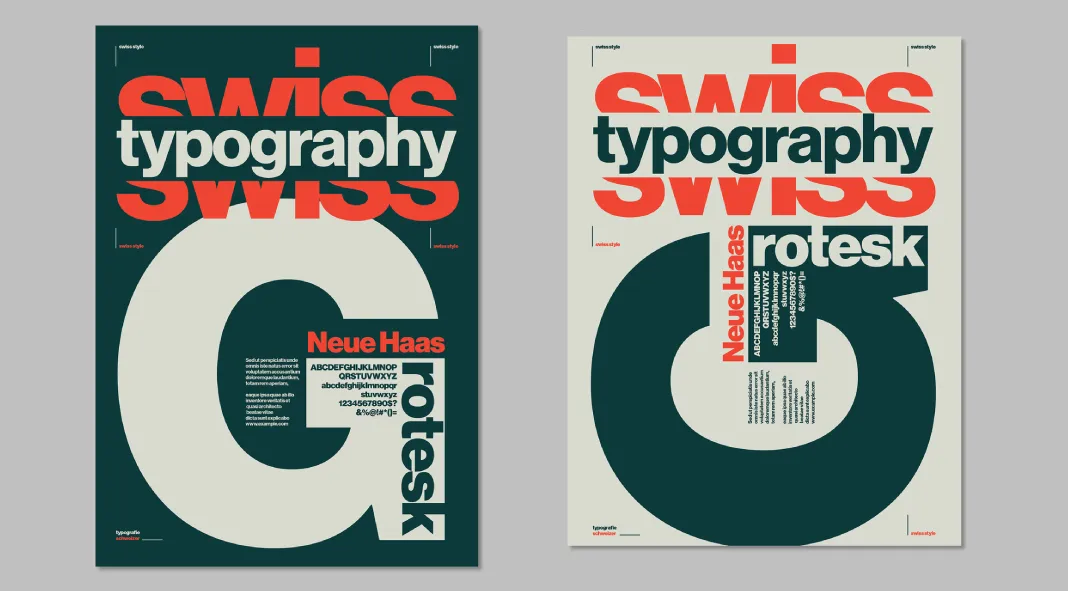
The Ever-Evolving Typographic Life of the Arabic Language - The ... by nytimes.com
Popular Wiki Terms:
Best Practices for Using Font Weights
When selecting font weights, it is essential to contemplate their role in establishing visual hierarchy and guiding reader focus. Effective font weight strategies include achieving balance and contrast to enhance legibility and emphasize important content. Consistency in font weight application across digital platforms reinforces brand identity. Utilizing medium or semibold weights for body text and headings guarantees clarity, while lighter weights can subtly denote less critical information. It is advisable to limit the number of font weights used to maintain cohesion. Additionally, effective font delivery can significantly improve text rendering speed and reduce layout shifts caused by font swapping.
References & Data Sources:
https://looka.com/blog/types-of-fonts/ – Retrieved April 30, 2025
https://www.printmag.com/featured/swiss-style-principles-typefaces-designers/ – Retrieved May 2, 2024
https://weandthecolor.com/your-new-favorite-typographic-poster-template-inspired-by-swiss-masters/201469 – Retrieved February 2, 2025
https://www.nytimes.com/2016/03/17/t-magazine/design/middle-eastern-fonts-letters-graphics.html – Retrieved April 25, 2025
https://web.dev/articles/font-best-practices – Retrieved May 2, 2025