
Flexography Definition
Flexography is a high-speed relief printing method that employs flexible plates made from rubber or photopolymer to produce high-quality prints. It is suitable for a wide range of substrates, including plastics and paperboards. The process utilizes anilox rollers for precise ink application and quick-drying inks to prevent smearing. Flexography is versatile, cost-effective, and environmentally friendly, making it popular in various industries. Further exploration reveals its applications and emerging trends in the market.
Definition and Overview of Flexography
Flexography, often abbreviated as “flexo,” is a relief printing method that employs flexible plates made from rubber or photopolymer materials. This modern evolution of letterpress utilizes rotary functionality, enabling high-speed production runs often exceeding 2,000 feet per minute. Flexo is particularly adept at creating labels and flexible packaging, making it a preferred choice for various industries. It excels in corrugated box printing, handling large solid color areas efficiently. The process accommodates diverse substrates, including plastics and paperboards, while offering compatibility with environmentally friendly packaging materials. Its rapid makeready times further enhance its utility for high-volume manufacturing requirements. Advancements in platemaking methods have significantly improved print quality, allowing for intricate designs and vibrant colors. Also, flexography’s ability to use sustainable inks aligns with the increasing demand for environmentally conscious printing solutions.
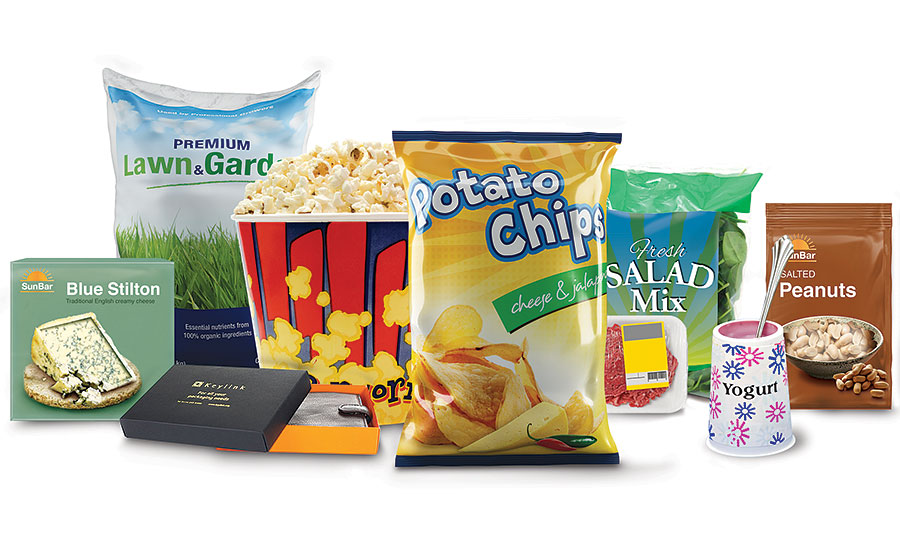
Exploring the Pros and Cons of Water- and Solvent-Based Inks for ... by packagingstrategies.com
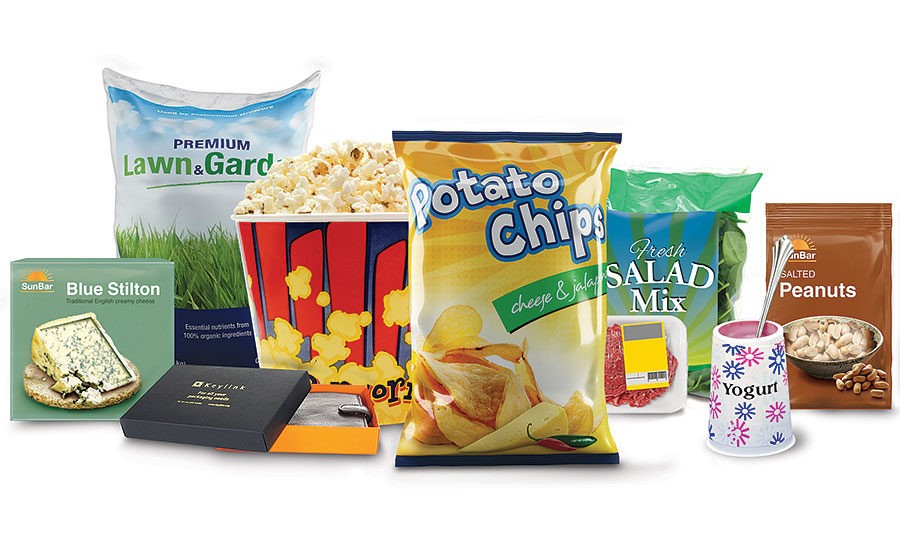
The Secret Weapon of Flawless Flexographic Printing. by linkedin.com
Key Components of a Flexographic Press
The functionality of a flexographic press relies on several key components that work in unison to achieve high-quality printing results. Central to the operation are the printing stations, each utilizing photopolymer plates to apply distinct colors. Anilox rollers, with their engraved cells, control the precise amount of ink transferred, while doctor blades efficiently remove excess ink to guarantee optimal application. Impression cylinders play a vital role in transferring the ink from the plates onto the substrate. These components collectively enhance the performance and reliability of flexographic presses, ultimately contributing to the production of superior printed materials. The ink distribution system ensures that the ink is applied evenly and consistently across the substrate. Also, the tension control system is essential for maintaining consistent tension as the diameter of the roll paper decreases. Notably, flexo printing can achieve speeds of up to 400m per minute, making it suitable for high-volume production runs.
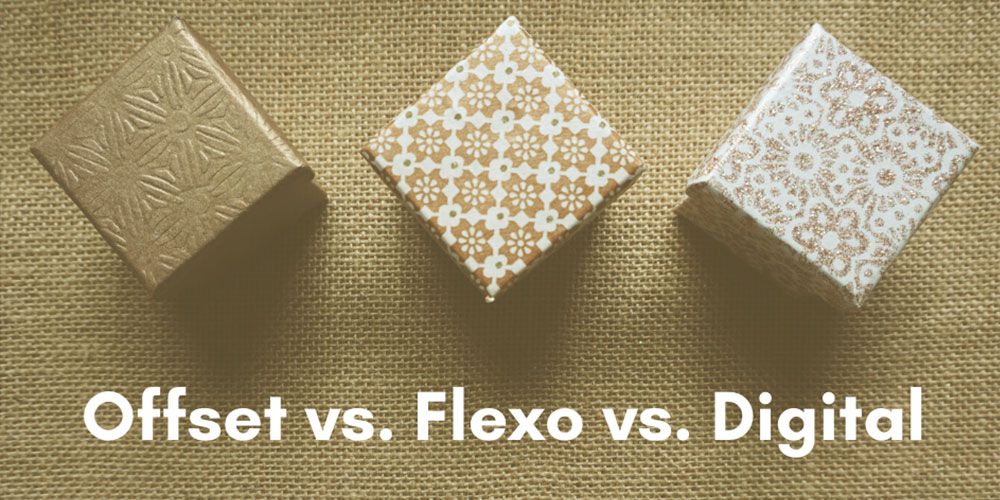
Offset vs Digital Printing vs Flexo Printing by packmojo.com
The Flexographic Printing Process
In the flexographic printing process, multiple steps are meticulously executed to guarantee high-quality results.
Initially, artwork is designed and adjusted for plate stretch, followed by the production of flexible photopolymer plates. Plates are mounted onto cylinders, and anilox rollers are selected for ink application. The flexographic printing process impresses the image onto a substrate, ensuring precise representation of the artwork.
Quick-drying inks are utilized to prevent smearing during print runs, particularly in custom label printing and spot color printing applications. The flexographic printing press plays a crucial role in maintaining tension on the substrate to prevent defects throughout the process.
Quality checks are essential at every stage to ensure the final output meets industry standards. After printing, substrates undergo drying and are prepared for post-press operations, including die-cutting. This process is essential for producing food and beverage labels, ensuring quality and efficiency in high-speed production runs.
Advantages of Flexography
When evaluating printing methods, the advantages of flexography become evident due to its speed and efficiency. This technique offers significant cost-effectiveness, as reusable printing plates reduce expenses, especially in long production runs. Flexography’s material versatility allows it to print on a wide range of substrates, including films and coated papers, accommodating various packaging solutions. The print quality is consistently high, ensuring sharp text and vibrant colors across large batches. The process minimizes waste and downtime, further enhancing operational efficiency. Also, the use of water-based inks makes flexography an environmentally friendly option, aligning with modern sustainable practices. Also be aware that high-quality, consistent prints are essential for enhancing product recognition and shelf appeal, making flexography a preferred choice for many industries. Flexography is especially effective for printing on uneven surfaces such as corrugated cardboard, broadening its application in packaging.
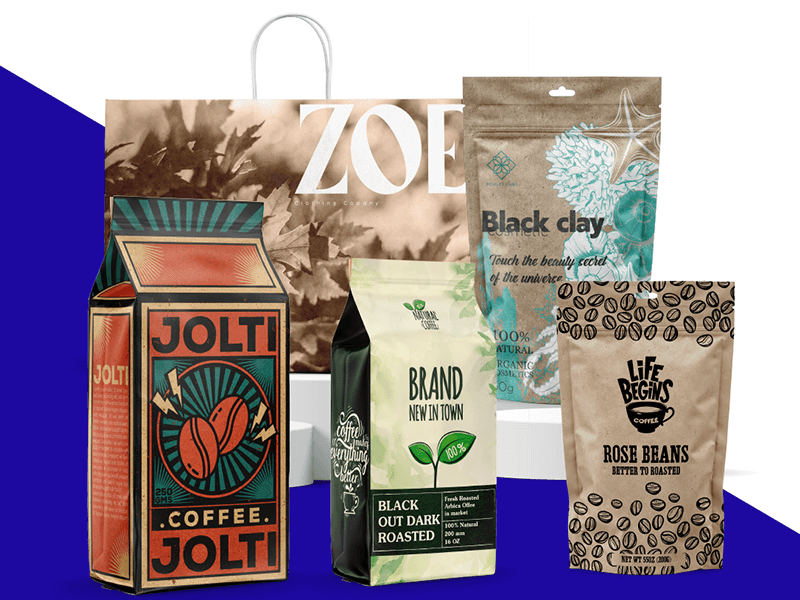
Flexographic Printing by carepac.com
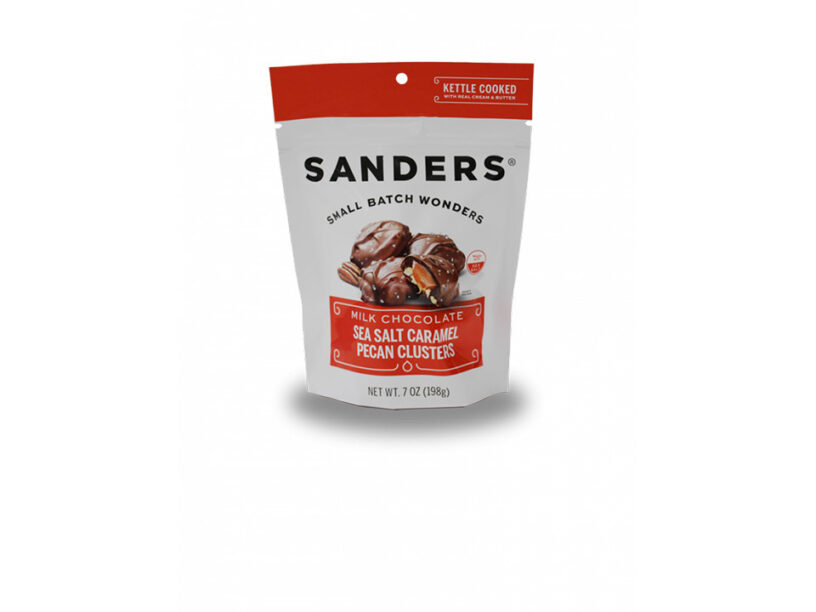
Gusseted & Spouted Pouch Printing - Flexographic Solutions by cldgraphics.com
Applications and Industries Utilizing Flexography
Flexography finds extensive application across various industries due to its adaptability and efficiency in printing processes.
In the consumer packaged goods (CPG) sector, it is commonly employed for flexible packaging and folding cartons, ensuring high-quality prints for food and beverage products. The demand for packaging print and labels continues to grow, with flexography remaining cost-competitive. The technology supports a wide range of applications in industrial marking systems, enhancing its versatility.
In addition, flexography is integral to labeling manufacturing, facilitating precise labels for bottles and containers.
The industrial goods sector also benefits from flexographic techniques for wrapping products securely.
Also be aware that it serves in the medical packaging industry, where clean and accurate prints are vital.
Popular Wiki Terms:
Innovations and Future Trends in Flexography
As the printing industry evolves, innovations in flexography are reshaping its landscape. Integrated combination machines enhance production efficiency by merging flexographic printing with die-cutting processes. Flexo-digital hybrid solutions improve variable data printing while maintaining cost-effectiveness. Sustainability trends are evident through the adoption of eco-friendly inks and energy-efficient presses. FTA Members entry fee automation and AI integration streamline operations with real-time quality control and reduced setup times. Customizable modules facilitate quick-change platforms, allowing for tailored configurations and repeatability. These advancements collectively address market demands for versatile, efficient, and environmentally responsible printing solutions, ensuring flexography remains a crucial component of modern packaging and labeling. Also, the growth in demand for flexo printing consumables, such as flexo plates, highlights the industry’s adaptation to evolving market needs and customer preferences. The introduction of integrated combination machines allows for processing a broader range of substrates in a single run, further enhancing production capabilities.
References & Data Sources:
https://ordant.com/what-is-flexographic-printing/ – Retrieved April 29, 2025
https://en.wikipedia.org/wiki/Flexography – Retrieved May 1, 2024
https://www.oliverinc.com/blog/what-is-flexography-printing-and-how-does-it-work – Retrieved February 1, 2025
https://www.packagingstrategies.com/articles/99891-exploring-the-pros-and-cons-of-water--and-solvent-based-inks-for-flexo-printing – Retrieved April 24, 2025
https://blog.focuslabel.com/key-components-of-a-flexographic-printing-machine – Retrieved May 1, 2025
https://www.pre-webguidesystem.com/news/components-and-functions-of-flexographic-print-32682938.html – Retrieved May 1, 2025
https://blog.focuslabel.com/introduction-to-flexographic-printing – Retrieved May 1, 2025
https://packmojo.com/blog/offset-printing-vs-digital-printing-vs-flexography-vs-digital-printing/ – Retrieved May 1, 2025
https://blog.luminite.com/blog/how-flexographic-printing-works-a-step-by-step-guide – Retrieved May 1, 2025
https://flexopedia.net/flexo-printing-process-explained-step-by-step/ – Retrieved April 30, 2025
https://blog.focuslabel.com/flexography-advantages-disadvantages – Retrieved April 30, 2025
https://inovarpackaging.com/flexographic-label-printing/ – Retrieved April 30, 2025
https://www.weavabel.com/blog/what-is-flexographic-printing-and-what-are-its-pros-and-cons – Retrieved April 30, 2025
https://www.carepac.com/flexographic-printing/ – Retrieved April 30, 2025
https://www.cldgraphics.com/products/gusseted-spouted-pouches/ – Retrieved April 30, 2025
https://www.flexography.org/industry-news/the-future-of-flexographic-print-markets-through-2027/ – Retrieved April 30, 2025
https://www.pannier.com/category/applications/flexo-printing/ – Retrieved April 30, 2025
https://www.flexography.org/honors-awards/technical-innovation/entry-form/ – Retrieved April 30, 2025
https://www.smithers.com/services/market-reports/printing/the-future-of-flexographic-printing-to-2023 – Retrieved April 30, 2025
https://www.henghaoprinter.com/blogs/2025-flexographic-printing-trends/ – Retrieved April 30, 2025