
Flexible Packaging Definition
Flexible packaging refers to packaging made from non-rigid materials, including plastic films, foil, and paper. Its primary objective is to protect products from environmental factors while reducing waste. The lightweight design leads to lower shipping costs and energy efficiency. Key materials include biodegradable films and multilayer films, which enhance barrier properties. This packaging type is widely used in food, pharmaceuticals, and consumer goods. Further insights reveal evolving trends and innovations within this sector.
Definition and Purpose of Flexible Packaging
Flexible packaging is defined as the use of non-rigid materials, such as foil, plastic, and paper, to create pliable containers that conform to the shape of their contents. This packaging type includes various formats, including stand-up pouches and bags.
The primary purpose of flexible packaging is to protect products from degradation caused by moisture and environmental factors while minimizing material waste. It also reduces shipping costs due to its lightweight design. Flexible packaging has grown popular due to high efficiency and cost-effectiveness, making it a preferred choice for many manufacturers. Additionally, the user-friendly design of flexible packaging contributes to its widespread adoption across various industries. Food applications account for 52% of the flexpack market, showcasing its significance in the packaging realm.
Many flexible packaging options incorporate recyclable materials, addressing sustainability concerns. These advantages make flexible packaging a preferred choice for food packaging and other consumer goods, enhancing shelf life and product integrity.
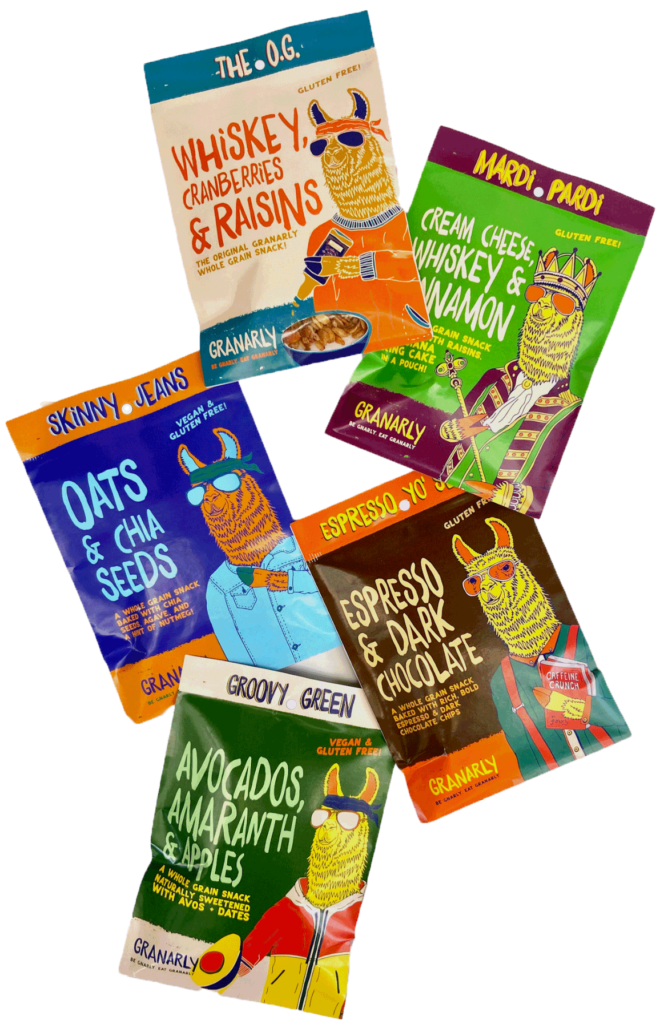
7 Advantages of Digitally Printed Flexible Packaging – ePac by epacflexibles.com
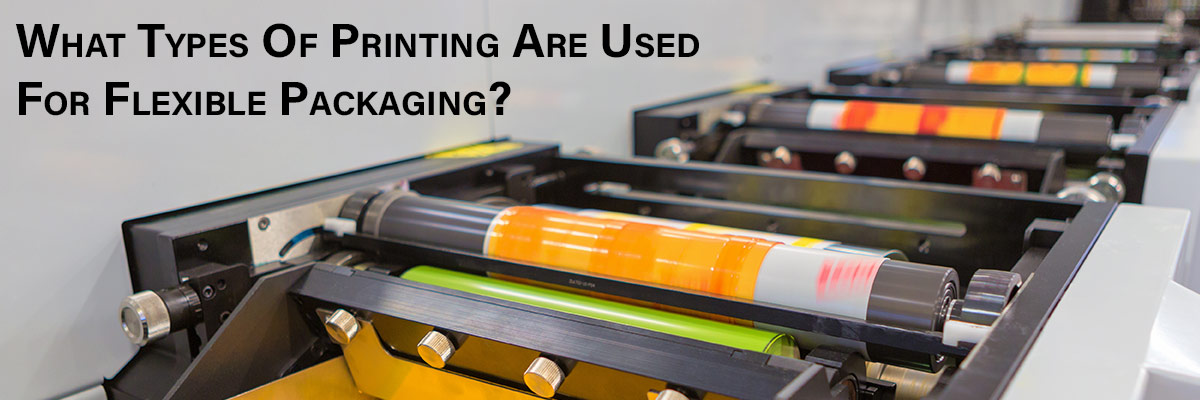
What Types Of Printing Are Used For Flexible Packaging? by industrialpackaging.com
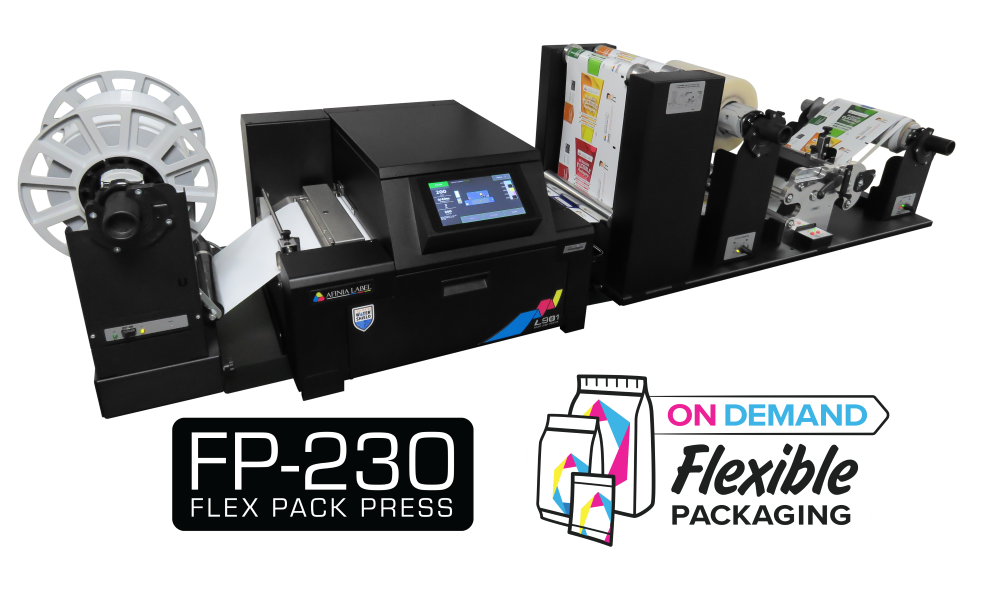
FP-230 Flexible Packaging Printer - 1600 dpi by dasco.com
Key Characteristics of Flexible Packaging
The key characteristics of flexible packaging are defined by its lightweight construction and durability, which are achieved through the use of non-rigid materials such as plastics and foils. This packaging type, including flat pouches, offers enhanced product protection, effectively safeguarding contents against environmental stressors. Its consumer-centric functionality features elements like resealable zippers and tear-notches, promoting ease of use. Also be aware that flexible packaging has emphasized sustainability in packaging solutions, which is increasingly important in today’s environmentally conscious market. Retail and branding advantages are notable, with high-resolution printing enabling vibrant graphics and customizable designs. These attributes collectively contribute to reduced waste, increased efficiency, and improved product shelf life, making flexible packaging a versatile choice in various industries. Also, flexible packaging is composed of different plastic polymers that enhance its adaptability and performance. Importantly, hermetic seals prevent spillage and contamination, ensuring that product value is maintained during shipping and storage.
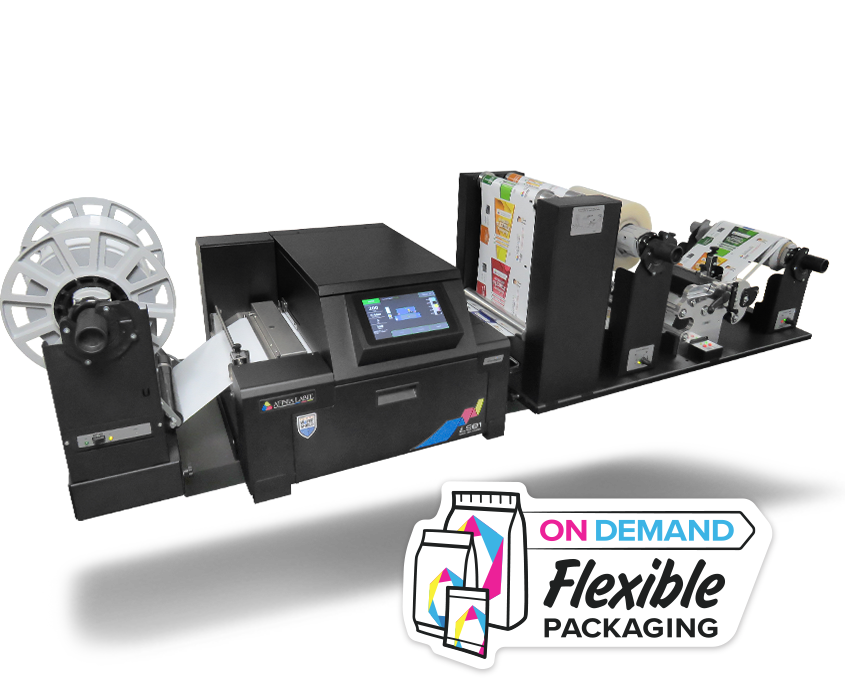
FP-230 Flexible Packaging Press Printer by afinialabel.com
Types of Flexible Packaging Materials
Various materials are utilized in flexible packaging, each chosen for specific properties that enhance functionality and performance. Plastic films, including LDPE and BOPP, are prevalent in food packaging due to their non-toxic nature. Aluminum foil serves as an effective barrier against moisture and light, ensuring product freshness, particularly in the food and pharmaceutical sectors. Biodegradable films, derived from renewable resources, offer sustainable alternatives in packaging. Multilayer films combine various materials to achieve superior barrier properties, making them suitable for diverse applications. These materials collectively contribute to the versatility and efficiency of flexible packaging solutions, and the global flexible packaging market is valued at $182.3 billion in 2020. This versatility is crucial for custom designs, allowing brands to cater to specific product needs.
Environmental Benefits of Flexible Packaging
As consumers and manufacturers increasingly prioritize sustainability, the environmental benefits of flexible packaging have gained significant attention.
Flexible packaging demonstrates reduced material usage, as it requires less material than traditional options, conserving natural resources and minimizing waste. Its energy efficiency stems from lower production energy requirements and reduced transportation-related emissions due to lightweight design. Flexible packaging is lightweight and compact, leading to fewer transportation needs and ultimately reducing overall greenhouse gas emissions. Also, flexible packaging has a higher product-to-package ratio, resulting in less waste compared to rigid containers. Notably, flexible packaging has shown over 60% lower carbon footprint compared to rigid alternatives, underscoring its effectiveness in minimizing environmental impacts.
In addition, flexible packaging has shown a carbon footprint reduction of over 60% compared to rigid alternatives. Overall, these factors contribute to significant environmental impact reduction, making flexible packaging a more sustainable choice for manufacturers aiming to decrease their ecological footprint while meeting consumer demand for eco-friendly solutions.
Industry Applications of Flexible Packaging
Flexible packaging serves a diverse range of industries, capitalizing on its adaptability and efficiency.
In the food and beverage sector, rollstock and vacuum-sealed pouches enhance shelf life while reducing waste. The rising demand for snack and convenience foods has significantly influenced the design and materials used in flexible packaging. This type of packaging often utilizes FDA-approved materials ensuring safety and quality for consumers. Flexible packaging offers advantages such as reduced freight costs and lower environmental impact during shipment.
Pharmaceuticals and medical applications utilize high-barrier films for unit-dose sachets, preserving sensitive drugs and ensuring safe delivery.
Consumer goods benefit from stand-up pouches that offer convenience and reduced plastic usage.
Industrial applications employ custom-engineered liners for chemicals and heavy-duty bulk bags.
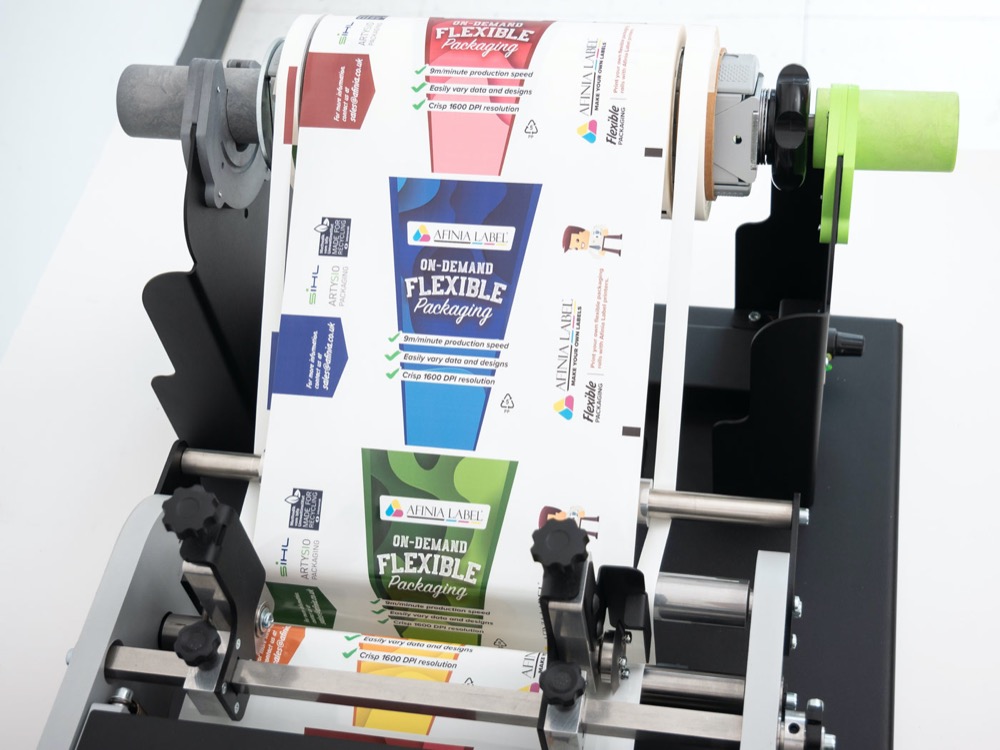
FP-230 Flexible Packaging Printer - 1600 dpi by dasco.com
Popular Wiki Terms:
Future Trends and Innovations in Flexible Packaging
The future of flexible packaging is poised for considerable transformation, driven by advancements in technology and evolving consumer expectations. Innovations in sustainable materials, including biodegradable plastics, are central to reducing environmental impact. The integration of technological advancements, such as AI and advanced sensors, enhances efficiency and product preservation. As demands for multi-layer films increase, brands are focusing on improving barrier properties to extend shelf life and preserve product freshness. The development of sustainable adhesives is crucial for supporting a circular economy in packaging. Increased demand from food and beverage sectors is also driving innovation, prompting companies to enhance their offerings. Consumer influence is shifting industry focus toward personalized and eco-friendly packaging solutions. Companies are increasingly adopting circular economy practices, supported by recyclable materials and eco-friendly adhesives. As regulations tighten, the flexible packaging market is expected to grow considerably, reflecting a commitment to sustainability and responsiveness to consumer demand for responsible packaging options.
References & Data Sources:
https://perfectpackaging.org/what-is-flexible-packaging-page/ – Retrieved April 28, 2025
https://www.starlabel.com/blog/flexible-packaging/ – Retrieved April 30, 2024
https://nobelusuniversity.com/2023/03/02/what-is-flexible-packaging/ – Retrieved January 30, 2025
https://epacflexibles.com/7-advantages-of-digitally-printed-flexible-packaging/ – Retrieved April 23, 2025
https://www.industrialpackaging.com/blog/types-of-printing-flexible-packaging – Retrieved April 30, 2025
https://www.dasco.com/fp-230-flexible-packaging-printer-1600-dpi.html – Retrieved April 30, 2025
https://www.flexpack.org/industry-overview – Retrieved April 30, 2025
https://www.volmarpackaging.it/en/blog/flexible-food-packaging-what-it-is-characteristics-and-types/ – Retrieved April 30, 2025
https://www.prosource.org/article/22210174/principle-flexible-packaging-performance-characteristics – Retrieved April 30, 2025
https://afinialabel.com/envelope-and-packaging-printers/fp-230-flexible-packaging-press-printer/ – Retrieved April 29, 2025
https://www.packola.com/types-of-flexible-packaging/ – Retrieved April 29, 2025
https://adeptpackaging.com/blog/types-of-flexible-packaging-and-their-advantages/ – Retrieved April 29, 2025
https://perfectpackaging.org/environmental-footprint/ – Retrieved April 29, 2025
https://www.flexography.org/industry-news/sustainability-flexible-packaging-advantages-effect-environment/ – Retrieved April 29, 2025
https://www.flexpack-europe.org/press-release/new-study-confirms-environmental-benefits-of-using-pouches-for-some-food-products – Retrieved April 29, 2025
https://www.labelsandlabeling.com/features/flexible-packaging-applications-and-opportunities – Retrieved April 29, 2025
https://atyourservous.com/types-of-flexible-packaging/ – Retrieved April 29, 2025
https://www.heritagepackaging.com/blog/everything-there-is-to-know-about-flexible-packaging – Retrieved April 29, 2025
https://epackagingsw.com/blog/9-flexible-packaging-industry-trends-to-watch-in-2025-beyond – Retrieved April 29, 2025
https://www.hbfuller.com/en/blog/thegluetalkblog/2025/january/flexible-packaging-trends-for-2025 – Retrieved April 29, 2025
https://www.shell.us/business/sectors/shell-polymers/resources-and-insights/the-future-of-flexible-plastic-packaging.html – Retrieved April 29, 2025