
Fabric Printing Definition
Fabric printing is a technical process that applies colorants to fabrics to create specific designs and patterns, enhancing their decorative value in the fashion and apparel industry. Various methods include dye sublimation, heat transfer, and pigment printing, each with distinct applications and suitability for different fabric types. Key processes involve fabric preparation, color matching, and curing. The growing market reflects a rising demand for customized textiles and eco-friendly practices. Further details on methodologies and trends are available.
Definition and Purpose of Fabric Printing
Fabric printing is a technical process that involves the application of colorants onto various fabrics to produce specific designs or patterns. This process enhances the decorative value of textiles, essential for fashion and apparel manufacturing. Techniques such as direct-to-garment and screen printing are commonly employed, with digital textile printing offering increased design flexibility and efficiency. Fabric printing meets market demands for unique and personalized products, allowing for intricate patterns that appeal to consumer preferences. Additionally, digital printing revolutionizes fabric printing by enabling customized fabric production with vibrant colors and intricate patterns. Also, the four main methods of textile printing, including block, roller, screen, and heat transfer printing, provide diverse options for achieving various design outcomes. Notably, textile printing involves the application of color to specific parts of the fabric, distinguishing it from uniform dyeing methods.

Fabric Samples by 72hrprint.com
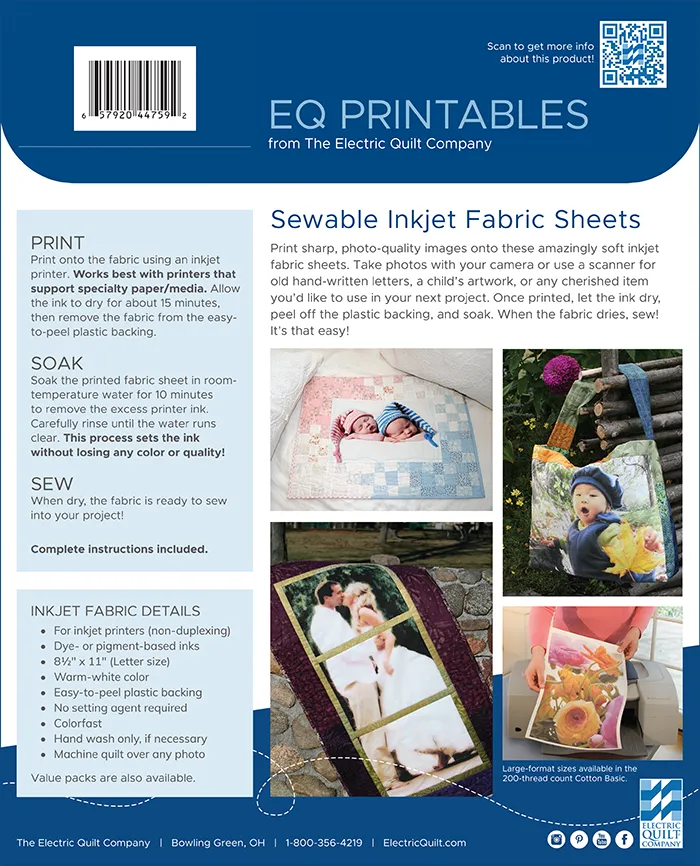
Inkjet Fabric Sample Pack by electricquilt.com
Types of Fabric Printing Methods
Various methods exist for printing on textiles, each offering distinct advantages and limitations. Dye sublimation utilizes heat to transfer dye onto synthetic fabrics, producing vibrant, long-lasting prints. This method is known for its permanent bonding of inks to fabric fibers, resulting in a soft finish. Additionally, fabric printing can be customized through various techniques, allowing for unique designs tailored to specific needs. Heat transfer printing involves applying designs from a heat-pressed paper onto fabric, ideal for intricate patterns on synthetics but less durable on natural fibers. Rotary screen printing employs cylindrical screens for continuous, high-speed production, making it suitable for large orders. Pigment printing applies color locally with binders, offering fast-drying results on cellulose-based fabrics. Each method serves specific needs, ensuring versatility in fabric printing applications across various industries. Also be aware that analog printing techniques like rotary screen printing remain popular for large fabric quantities due to their speed and efficiency.
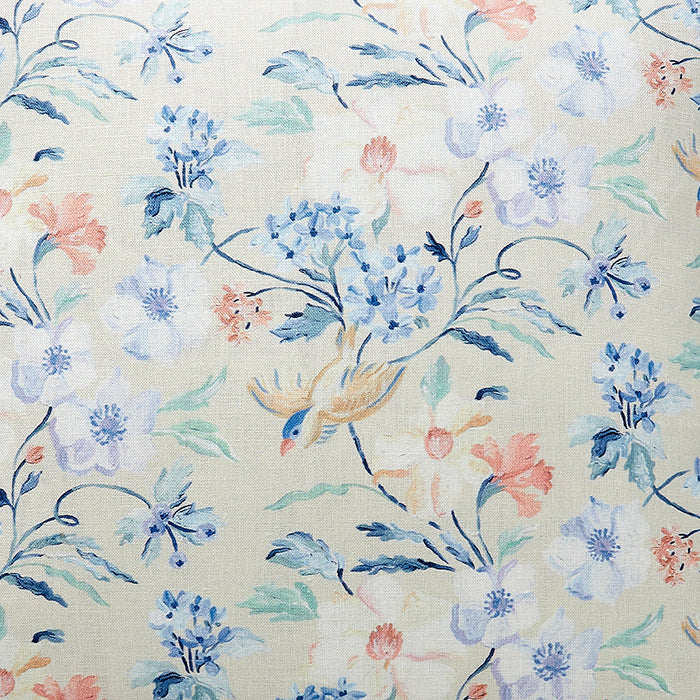
Marilyn Fabric Swatch by caitlinwilson.com
Key Processes in Printing
In the domain of fabric printing, understanding the key processes involved is essential for achieving high-quality results.
The process begins with fabric preparation, followed by color matching to guarantee accurate hues. Techniques like flatbed screen printing or direct-to-fabric printing are employed to apply designs onto materials. Quality fabric preparation is crucial for high-quality printing and significantly reduces defects during the printing process. The choice between textile dyeing and printing can greatly influence the final appearance and texture of the fabric. One important aspect of preparation is the application of a chemical coating that enhances dye-fiber combination under humidity and heat.
After printing, the fabric undergoes drying to remove moisture and secure stability. Curing or fixation processes follow, binding dyes or pigments to the fabric.
Quality control measures are implemented throughout to maintain standards, particularly for products like custom t-shirts and corporate branding apparel featuring intricate textile patterns.
Textile Printing vs. Dyeing
Textile printing excels in design and pattern flexibility, allowing intricate multicolored patterns on various fabrics, including synthetic fibers. Conversely, dyeing is preferred for natural fibers, ensuring deep color penetration and excellent color durability. While dyeing provides uniform solid colors, printing offers vibrant, saturated designs, making it ideal for custom items like fabric banners. The suitability of fabric types further delineates their use; dyeing is cost-effective for large batches, whereas printing accommodates complex designs, reflecting the distinct advantages of each method in the textile industry. Additionally, the dyeing process requires large amounts of water for dye application, highlighting the resource intensity involved in achieving deeply saturated colors. Also, dyeing affects both sides of the fabric, creating a consistent color throughout, while printing is typically limited to one side only. This distinction is important because dyeing typically uses one dye, which creates a uniform color effect across the fabric.
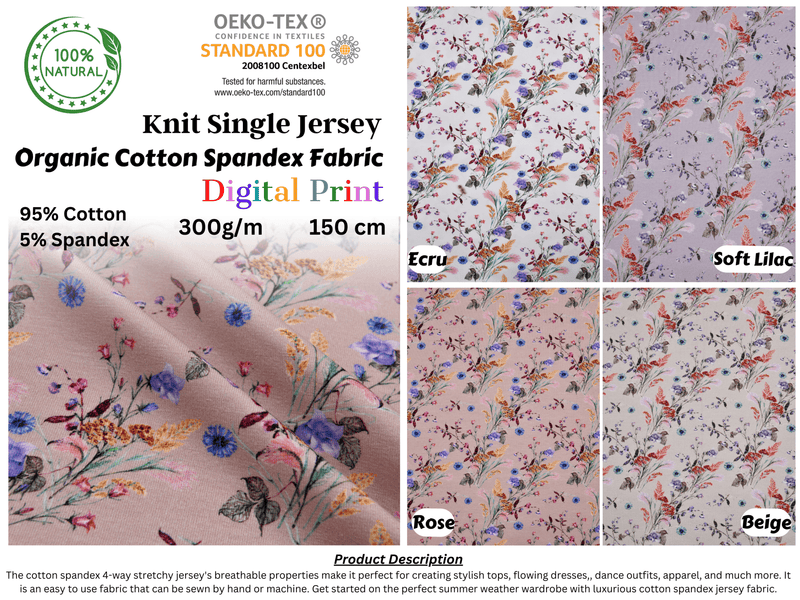
Organic Knit Cotton Spandex Jersey Wild Flowers Digital Print ... by gkfashionfabrics.com
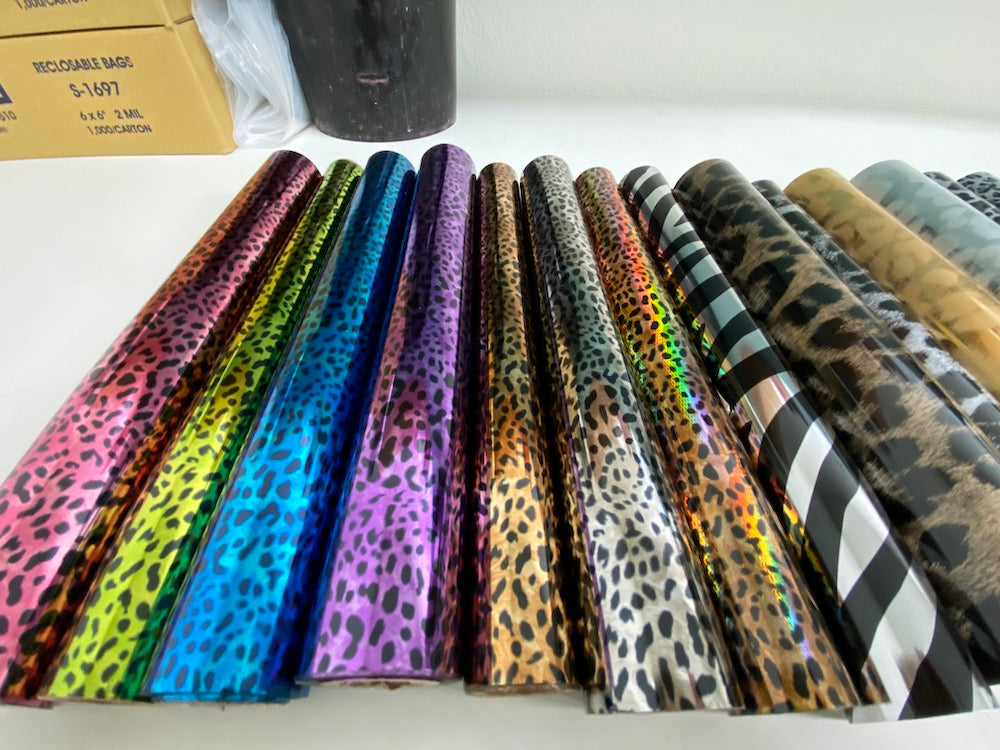
Animal Print Foil Collection Sample Pack – Artistic Painting Studio by shop.artisticpaintingstudio.com
Equipment and Tools Used
Equipment utilized in textile printing encompasses a range of specialized machines designed for various printing methods. Dye-sublimation printers focus on transferring heat-activated dyes into polyester and synthetic fabrics, while direct-to-garment (DTG) printers, such as Roland DG models, optimize cotton apparel printing. Digital Textile Printers are compact and cost-effective, offering millions of color options for unique designs. Screen printing equipment includes both automatic and manual presses, suitable for high-volume and specialty prints. The M&R Gauntlet series represents advanced screen printing technology, featuring high-production carousel automatic screen printing presses. Hybrid printers offer versatility by accommodating multiple fabric types and printing processes. These tools collectively enable the production of diverse products, including custom upholstery fabrics and promotional textiles. Also, advanced printing technology in models like the TX500P-3200DS allows for high-quality output and reduced production time, making it an excellent choice for high-volume textile printing.
Popular Wiki Terms:
Applications and Market Dynamics
Fabric printing serves a diverse array of applications across multiple industries, considerably influencing market dynamics.
In the fashion sector, it supports unique fashion collections through customized designs. Home furnishings retailers benefit from on-demand production of personalized decor items, aligning with consumer preferences. The rising demand for customized and personalized textile printing propels growth in digital textile printing, with projections indicating a significant market expansion. The direct to garment (DTG) printing market was valued at USD 847.3 million in 2024 and is projected to grow to USD 873.5 million by 2025. The global digital textile printing market is anticipated to reach USD 12.73 billion by 2034, reflecting a strong demand for printed textiles.
Promotional products suppliers utilize printed textiles for event materials, enhancing brand visibility. Technological advancements further improve efficiency and reduce costs, while sustainability concerns shape future practices within the industry. These factors collectively affect market trends and competitive positioning in fabric printing.
References & Data Sources:
https://www.houseofu.com/en/blog/types-of-fabric-printing/ – Retrieved April 29, 2025
https://www.britannica.com/topic/textile/Printing – Retrieved May 1, 2024
https://textilefocus.com/what-is-textile-printing/ – Retrieved February 1, 2025
https://www.72hrprint.com/fabric-samples/ – Retrieved April 24, 2025
https://electricquilt.com/online-shop/inkjet-fabric-sample/ – Retrieved May 1, 2025
https://www.contrado.com/blog/fabric-printing-methods/ – Retrieved May 1, 2025
https://en.canon-cna.com/business/insights/articles/fabric-printing-guide/ – Retrieved May 1, 2025
https://caitlinwilson.com/products/marilyn-fabric-swatch – Retrieved May 1, 2025
https://www.hprt.com/blog/The-Complete-Direct-to-Fabric-Printing-Process-Digital-Textile-Printer-Recommendation.html – Retrieved May 1, 2025
https://www.greenhousefabrics.com/blog/color-science-dyeing-vs-printing – Retrieved April 30, 2025
https://textileapex.com/dyeing-vs-printing-key-differences-between-dyeing-and-printing/ – Retrieved April 30, 2025
https://gkfashionfabrics.com/products/organic-knit-cotton-spandex-jersey-wild-flowers-digital-print-fabric-5037 – Retrieved April 30, 2025
https://shop.artisticpaintingstudio.com/products/animal-print-foil-collection – Retrieved April 30, 2025
https://colorjetgroup.com/textile-printers – Retrieved April 30, 2025
https://www.mrprint.com/equipment/textile-screen-printing-equipment – Retrieved April 30, 2025
https://www.inkjetperformance.com/direct-to-fabric-textile-printer/ – Retrieved April 30, 2025
https://www.coherentmarketinsights.com/industry-reports/digital-textile-printing-market – Retrieved April 30, 2025
https://www.globenewswire.com/news-release/2025/03/17/3043920/0/en/Global-Direct-to-Garment-Printing-Market-to-Reach-USD-1-343-6-Million-by-2035-Amid-Rising-Demand-for-Custom-Apparel-Future-Market-Insights-Inc.html – Retrieved April 30, 2025
https://www.precedenceresearch.com/digital-textile-printing-market – Retrieved April 30, 2025