
En Space Definition
En space is a typographical unit measuring half the width of an em space, essential for effective typesetting. It enhances readability and visual harmony in both digital and printed formats. Common in serif typefaces, en spaces facilitate clear separation between elements and support justified text alignment. Their historical use dates back to metal typesetting, impacting industry practices. Understanding en space can illuminate its critical role in modern typography and design. Further details reveal its broader implications.
Definition and Characteristics of En Space
En space is a typographical unit defined as half the width of an em, which is a relative measure based on the typeface’s body height.
Typically, it serves to create moderate gaps in typesetting, enhancing visual harmony and improving readability. En spaces provide clear separation between elements, such as words or punctuation, without excessive gaps. They are essential in justified text and support precise kerning, particularly in traditional serif typefaces like Garamond and Times New Roman.
Historically, en spaces were standardized for uniformity in print, and they continue to adapt proportionally in digital typography, ensuring consistent alignment.
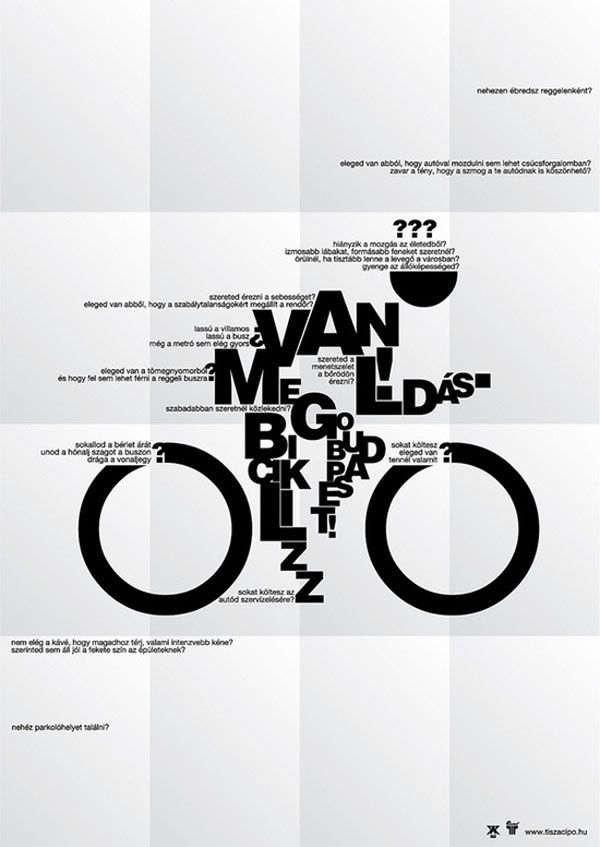
20 Creative Negative Space Design Inspiration – Bashooka by pinterest.com
Historical Context in Typography
The historical context of en space in typography reveals its origins in metal type printing, where it served as a physical piece designed to facilitate spacing in typeset text.
Traditionally, en spaces were employed to enhance readability and maintain justified text alignment. Compositors in the late 18th century utilized en spaces extensively, achieving significant productivity rates.
The standardization of en spaces was pivotal in creating uniformity across printed materials.
While digital typography has evolved, issues regarding excessive spacing persist, reflecting the ongoing importance of en space in achieving balanced text layout and ideal readability in various typesetting applications.
CalArts Graphic Design Presents 360: Type in Virtual Spaces by blog.calarts.edu
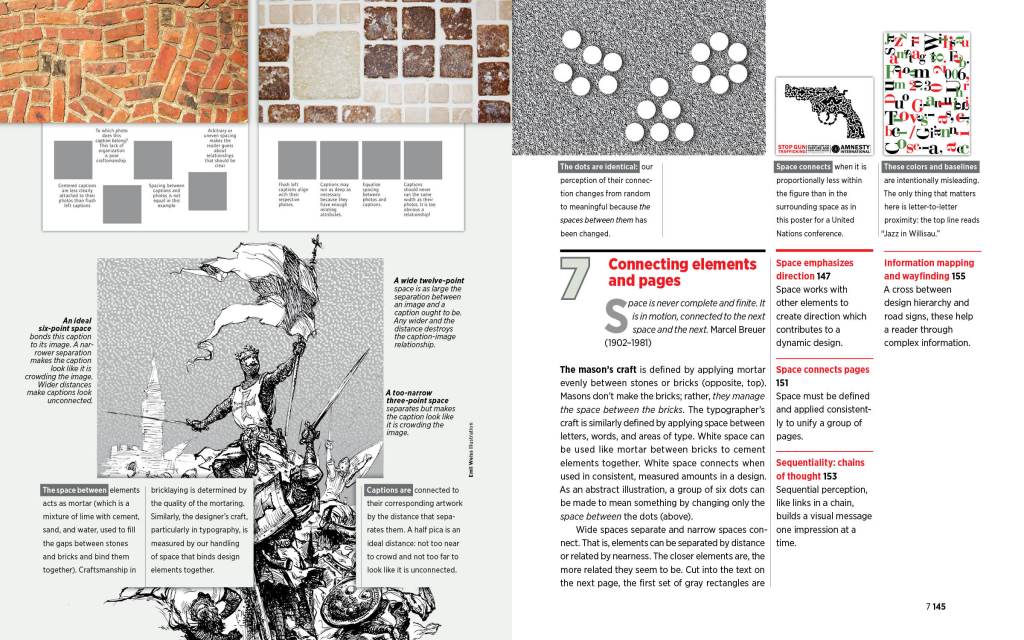
The Elements of Graphic Design 3rd ed by alexanderwwhite.com
Differences Between En Space and Em Space
Differences between en space and em space primarily hinge on their definitions and measurements within typographic practice.
An en space is defined as half the width of an em space, which corresponds to the typeface’s point size. Visually, an em space occupies twice the horizontal area of an en space.
En spaces are often employed in number ranges and create gentler breaks in text, enhancing readability. Conversely, em spaces are more substantial, impacting text layout markedly.
Both spaces serve to maintain alignment and layout precision, providing a balanced visual effect that contributes to overall text harmony in typography.
Usage in Electronic Publishing
In electronic publishing, the application of en spaces plays a critical role in achieving typographical precision and enhancing overall readability.
Digital design software allows for precise manipulation of en spaces, ensuring typography consistency across various layouts. This flexibility is essential as en spaces adapt dynamically to font changes, contributing to improved text flow.
Precise manipulation of en spaces in digital design ensures typography consistency and enhances text flow across diverse layouts.
Also, effective use of en spaces enhances content accessibility and reader experience by providing balanced separation between text elements.
As electronic publications often require responsive design, en spaces facilitate adaptability across different digital devices, reinforcing the importance of meticulous typographical practices in modern publishing.
DNA #21 Sound – Space – Sense ARTBOOK by artbook.com
Popular Wiki Terms:
Typesetting Rates and Industry Impact
Typesetting rates in the publishing industry are influenced by various factors, including the specific use of en spaces. The integration of en spaces in typesetting can impact both time consumption and production costs, as adjustments in digital formats may require manual intervention.
Economic factors play a significant role in this process; using en spaces can increase the value of printed materials in sectors that demand traditional typographic designs.
Typesetting software may not always support en spaces as standard options, leading to variability in industry adoption and market influence, particularly in regions with historical preferences for specific typographic traditions.
References & Data Sources:
https://www.pinterest.com/pin/436497388874267868/ – Retrieved April 30, 2025
https://blog.calarts.edu/2016/09/13/calarts-graphic-design-presents-360-type-in-virtual-spaces/ – Retrieved May 2, 2024
https://alexanderwwhite.com/the-elements-of-graphic-design/ – Retrieved February 2, 2025
https://www.artbook.com/9783959056588.html – Retrieved April 25, 2025