
Embossed Paper Definition
Embossed paper is a specialized type of paper that features raised designs or images. This is achieved through a process using male and female dies under high pressure. The resulting texture enhances both the visual and tactile qualities of the paper. Typically, thicker substrates are used to accommodate this technique. Embossed paper is commonly found in luxury packaging, stationery, and branding materials. Further exploration reveals more about its applications and limitations in various contexts.
Definition and Process of Embossing
Embossing is a specialized technique that alters the surface texture of paper by creating raised images or designs. This process typically involves placing paper between male and female dies and applying pressure to achieve raised patterns. The technique enhances both visual and tactile appeal, making it suitable for various applications, including business cards and luxury packaging. Thicker paper stock is required for the desired embossing effect, ensuring that the raised designs stand out effectively. Maintaining object placement during the embossing process is crucial for achieving clear impressions. Embossing can be combined with die-cutting for intricate designs, and the textured surface contributes to high tear resistance. It can be executed using blind or registered methods, ensuring versatility in design while maintaining the integrity of the paper substrate. The process of embossing often creates raised or recessed relief images that add dimension and interest to the final product.
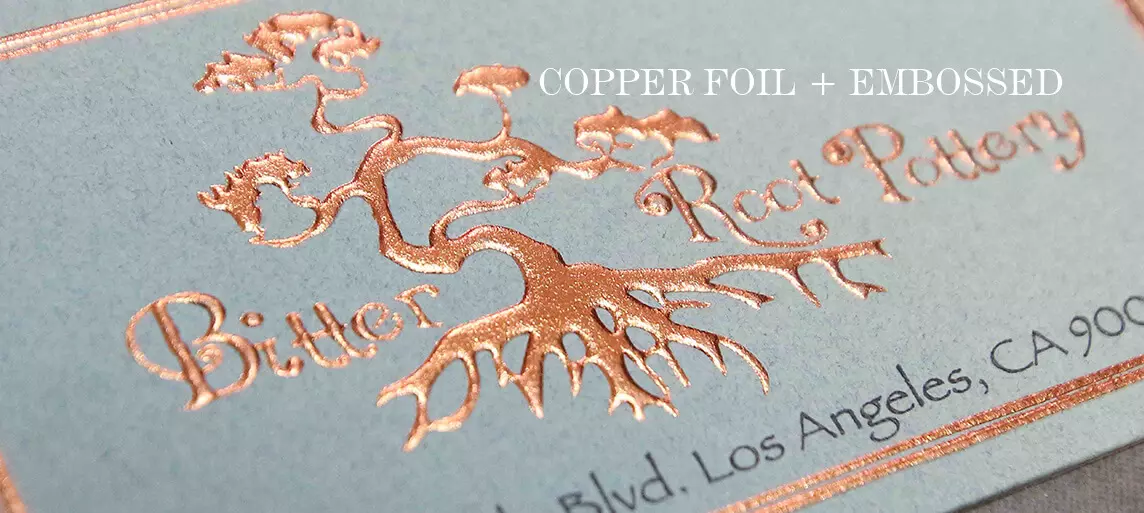
Foil Stamping by goldimageprinting.com
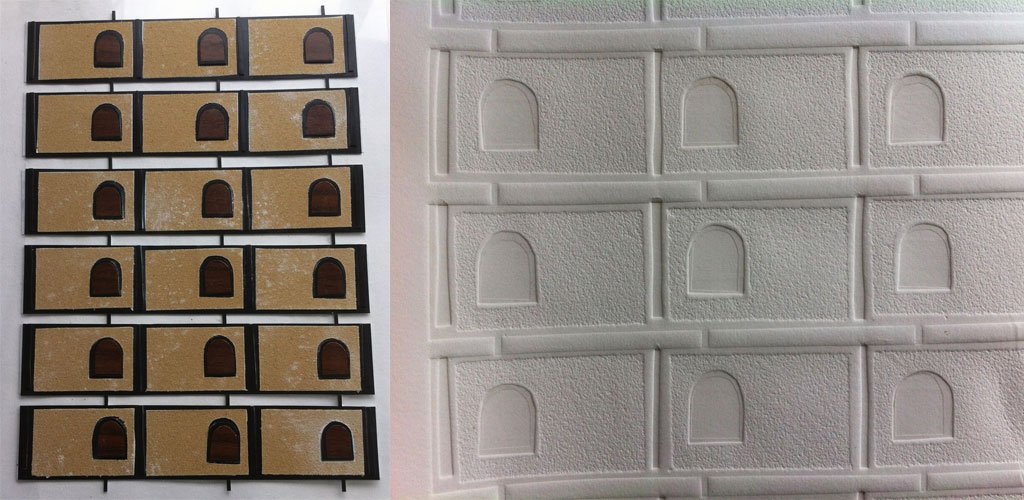
blind-embossing by thecuriousprintmaker.co.uk
Key Characteristics of Embossed Paper
The key characteristics of embossed paper encompass its aesthetic, mechanical, and application-specific attributes.
This paper features a textured surface that enhances visual appeal while providing a unique tactile experience. Nevertheless, the embossing process can affect mechanical properties, potentially reducing strength. Durability tests, such as burst tests, assess the paper’s suitability for various applications. Advancements in technological innovations have enabled manufacturers to preserve both aesthetics and performance during the embossing process.
Embossed paper is commonly used in luxury packaging and high-end brochures, where its added value enhances product desirability. The ability to incorporate intricate patterns and dimensions further contributes to its appeal in both decorative and functional contexts, making it a versatile choice for diverse projects. The increased market value associated with embossed paper makes it a favored option among businesses looking to elevate their product presentation. The technique of embossing paper adds sculptural qualities that can significantly enhance the overall design.
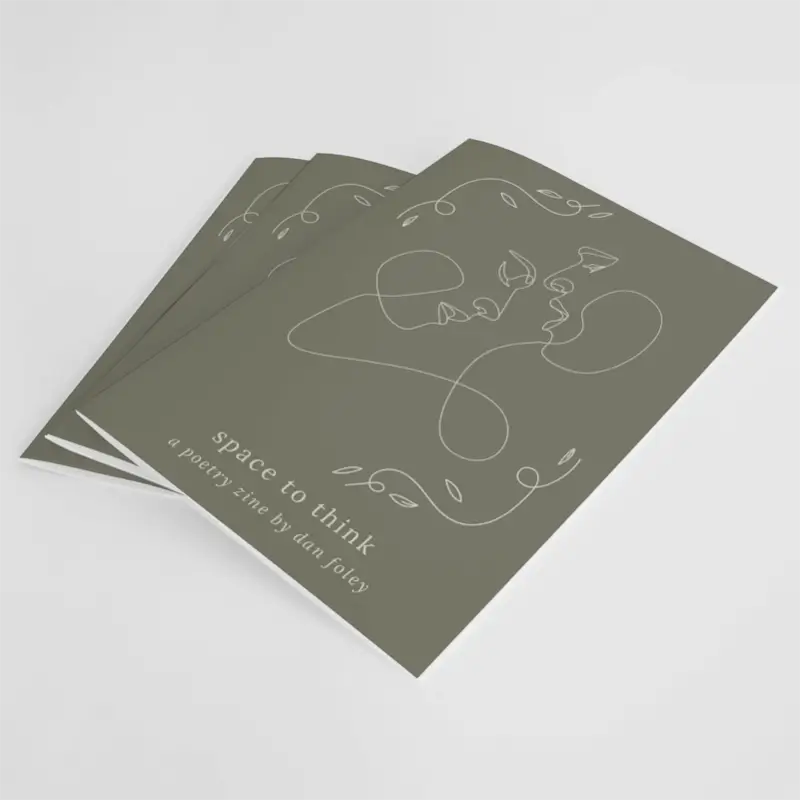
Zine Printing by mixam.com
Material and Quality Factors in Embossing
When selecting materials for embossed paper, various factors greatly influence the quality and performance of the final product. The choice of cotton fiber enhances resilience, while grammage suitability is essential; papers above 100 gsm are less prone to tearing during deep embossing. Proper technique ensures excellent embossing results, leading to a more refined finished product. Using softer paper stocks ensures that embossing and debossing effects are more pronounced, contributing to the overall impact of the design. Die durability is integral to maintaining consistent quality, with brass dies favored for complex designs. Durable techniques not only help maintain visual appeal over time but also support the longevity of the embossed features. Quality testing prior to production guarantees that the selected materials exhibit the desired behavior under specific embossing conditions. Attention to these factors not only improves durability but also enhances the overall aesthetic appeal of embossed paper, making it suitable for various applications.
Production Applications of Embossed Paper
Production applications of embossed paper span various industries, leveraging its unique textural qualities to enhance both functionality and aesthetics.
In luxury packaging, embossed paper provides a tactile experience that elevates product perception. Businesses utilize embossed designs for branding on business cards and stationery, reinforcing corporate identity. Additionally, CNC milling machines are often used to create precise and intricate embossed patterns, adding a level of sophistication to the finished product.
Eco-friendly embossing techniques employ wood pulp materials, ensuring sustainability while maintaining visual appeal. Embossed paper finds utility in security applications, such as authentications and tamper-evident seals. The dry method of embossing is particularly common in producing high-quality embossed paper, allowing for detailed designs without compromising the substrate’s integrity.
Its versatility extends to artistic solutions, where embossed textures enhance decorative items, creating depth and interest in various creative projects, thereby serving diverse consumer needs effectively.
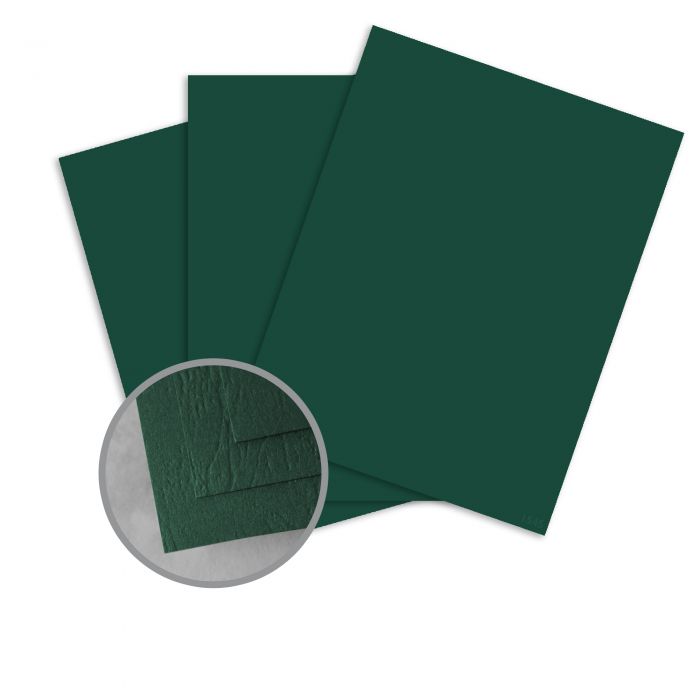
New Forest Green Card Stock - 26 x 40 in 90 lb Cover Cordwain ... by thepapermillstore.com
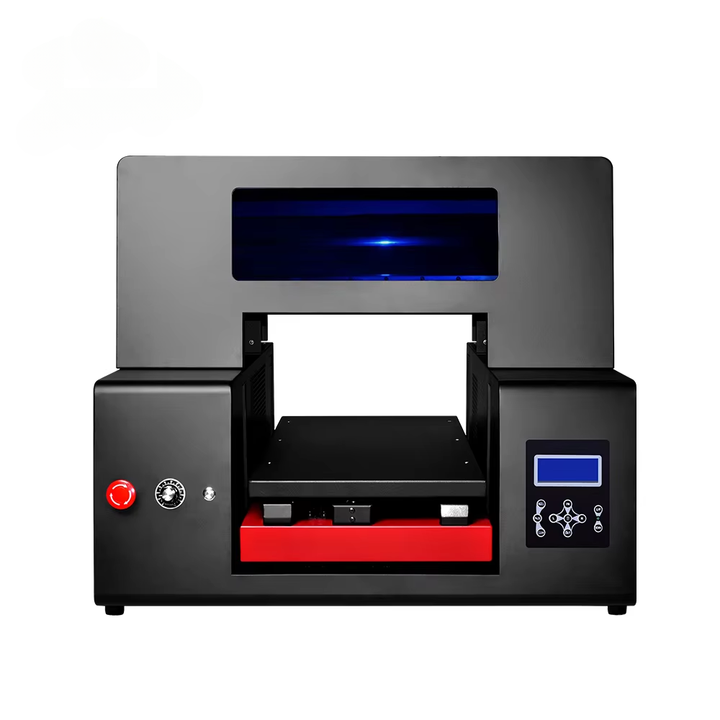
Multifunction 3D A3 CMYKW Color Ink XP600 Print for UV Led ... by alibaba.com
Popular Wiki Terms:
Functionality and Limitations of Embossing
Embossing serves critical functions in enhancing the physical properties and performance characteristics of paper products. It improves tactile qualities through raised patterns, increasing perceived softness. The pattern depth and density can enhance bulkiness and liquid absorption. Nevertheless, it reduces material flexibility, potentially increasing brittleness. While embossing can improve moisture resistance, surface disruptions may compromise this feature. Recyclability decreases if the embossing process alters the fiber structure beyond standard pulping capabilities. The complexities of manufacturing embossed paper may also elevate production costs and limit print compatibility, as intricate designs may not support standard ink applications effectively. Also be aware that embossed finishes can add a distinctive touch to invitations and greeting cards, enhancing their visual appeal. Paper embossing is an easy technique suitable for home use, making it accessible for crafting enthusiasts. Also be aware that participants can explore custom molds using a 3D printer to enhance their designs.
References & Data Sources:
https://www.embossplus.com/blog/print-finishing/paper-embossing-techniques/ – Retrieved April 28, 2025
https://en.wikipedia.org/wiki/Paper_embossing – Retrieved April 30, 2024
https://www.goldimageprinting.com/foil-stamping.html – Retrieved January 30, 2025
https://thecuriousprintmaker.co.uk/blind-embossing/ – Retrieved April 23, 2025
https://www.valmet.com/insights/blogs/tissue-converting/how-embossing-impacts-tissue-roll-characteristics-and-aesthetics/ – Retrieved April 30, 2025
http://kindalee.com/en/index.php?s=/Mobile/Show/index/cid/3/id/1.html – Retrieved April 30, 2025
https://www.handpapermaking.org/post/embossing – Retrieved April 30, 2025
https://mixam.com/zines – Retrieved April 30, 2025
https://pakfactory.com/blog/embossing-and-debossing-packaging/ – Retrieved April 30, 2025
https://u-emboss.com/information/basic-embossing-process/ – Retrieved April 29, 2025
https://www.thepapermillstore.com/carnival-new-forest-green-card-stock-26-x-40-in-90-lb-cover-cordwain-embossed-30-recycled-400-per-carton.html – Retrieved April 29, 2025
https://www.alibaba.com/product-detail/Multifunction-3D-A3-CMYKW-Color-Ink_62265002756.html – Retrieved April 29, 2025
https://www.metapaper.io/en/wiki/embossed/ – Retrieved April 29, 2025
https://www.instructables.com/Paper-Embossing/ – Retrieved April 29, 2025