
Em Space Definition
Em space is a typographic unit equivalent to the width of the capital letter “M” in a specific font. It serves as a fundamental measurement in both traditional and digital typography, ensuring consistent spacing and alignment. Em space dynamically scales with the font’s point size, enhancing proportionality and readability. It is essential for maintaining visual hierarchy in design. Further insights reveal its distinctions from other typographic units and its applications in modern design practices.
Definition and Origin of Em Space
The em space is a typographic unit that historically corresponds to the width of the capital letter “M” in metal type printing. This measurement originated from the limitations of physical type blocks, where an “em” served as a standard measurement.
Traditionally, an em space is defined as equal to one em, aligning with the point size of the type being used. With the evolution of digital typography, the concept of the em has adapted, maintaining its relevance as a standard measurement across various font sizes.
Consequently, the em space remains a fundamental element in typography, ensuring consistency and proportionality.
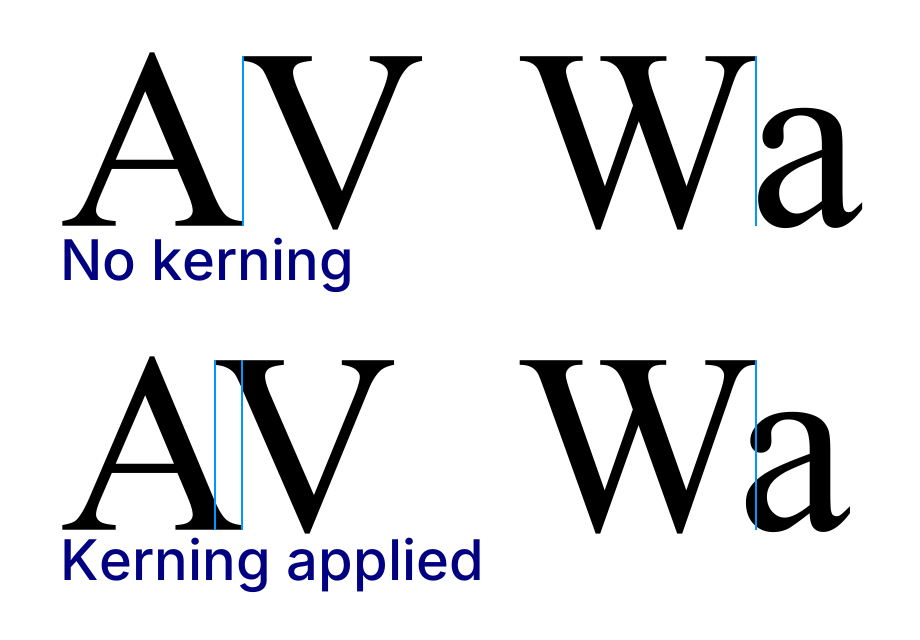
Kerning - Wikipedia by en.wikipedia.org
Typographical Use of Em Space
Em space serves a significant role in typography, acting as a dynamic unit of measurement that corresponds to the point size of the font in use. Its application facilitates proportional spacing, which enhances visual separation in text.
This typographic element is essential in traditional typesetting systems, ensuring consistent alignment and spacing. By adopting em space, designers can improve the overall impact on readability, allowing for better text flow.
The standard width of em space varies by font, typically ranging from 1/4 to 1/3 em, demonstrating its adaptability across various typographical contexts while maintaining aesthetic harmony.
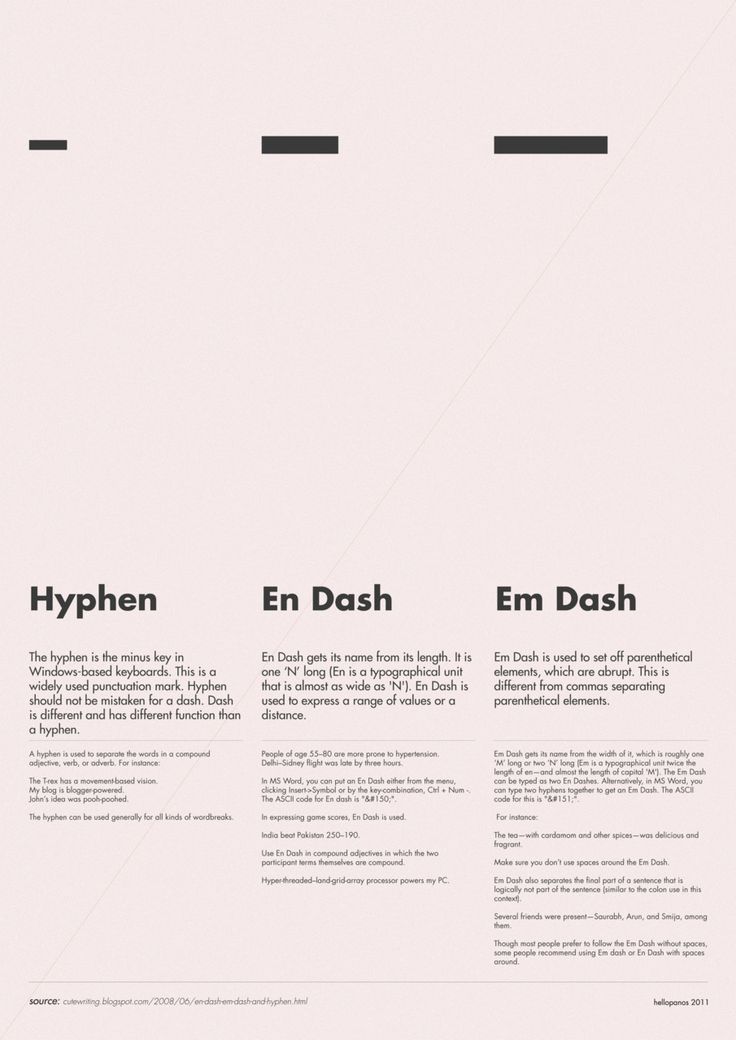
Graphics by pinterest.com
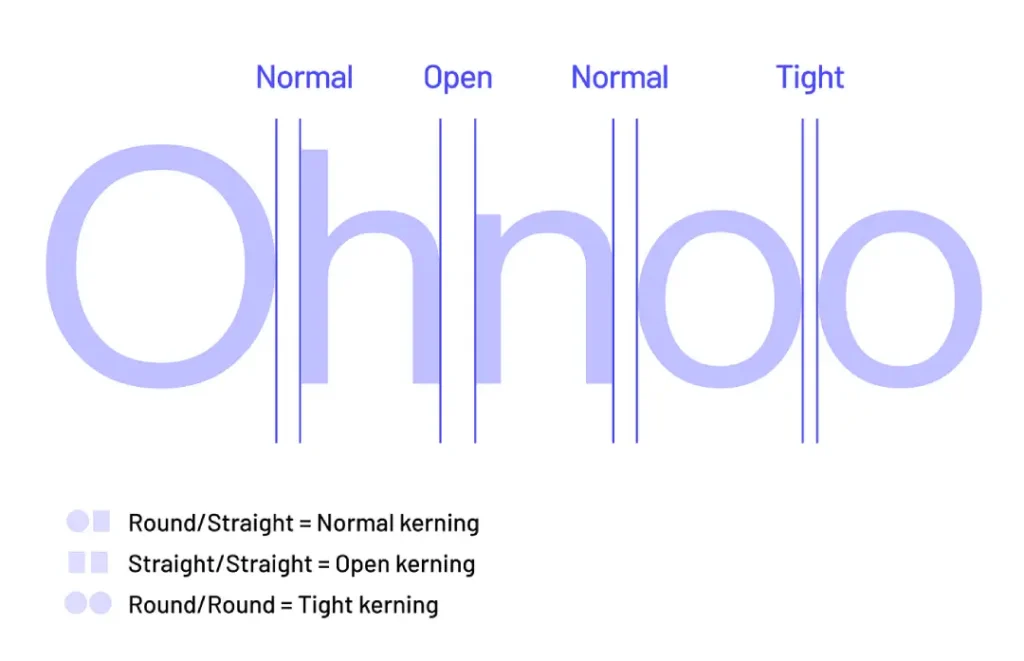
Letter Spacing Guide: Mastering Typographic Finesse In 2025 by inkbotdesign.com
Practical Application in Design
In design, practical application of em space is essential for achieving consistent and proportional spacing across digital interfaces.
It facilitates responsive design, allowing for proportional scaling relative to font size, thereby improving text flow and readability on various devices.
Em space contributes to visual hierarchy, guiding users’ eye movement toward key elements through predictable spacing.
Desktop publishing software effectively utilizes em space to maintain spatial integrity across different resolutions.
This unit supports accessibility compliance, ensuring that text remains legible and operable during zoom operations.
In the end, em space enhances user experience by preventing element overcrowding and improving overall clarity in design layouts.
Comparison With Other Units
Although various typographic units serve distinct purposes, em space stands out due to its adaptability and dynamic nature.
In comparison, en space, which measures half the width of an em space, is commonly used for word separation. Point measurement remains fixed, contrasting with em space’s responsiveness in digital publishing.
Pixels are also static, lacking the flexibility and dynamic resizing of ems; they do not adjust with font size. Other units, such as thin and thick spaces, provide finer adjustments but are narrower than em spaces.
Em space’s versatility makes it a preferred choice for creating fluid layouts across diverse digital platforms.
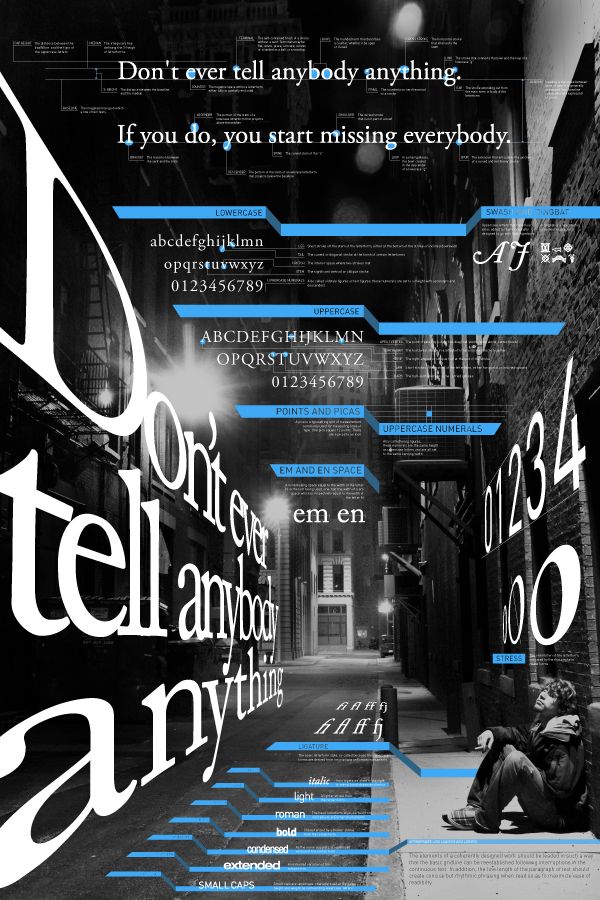
Type Poster - Jake Cooper by in.pinterest.com
Popular Wiki Terms:
Technical Specifications of Em Space
The technical specifications of em space are rooted in its definition as a typographic unit that corresponds to the point size of the current font. Typically, the width of an em space equals the point size, enabling effective alignment and responsive spacing in text layouts.
Originally derived from metal type measurements, modern digital implementations use scalable grids, usually set at 2048 units per em. This standardization promotes visual harmony across various font styles and sizes.
Proper allocation of em spaces enhances readability and supports multilingual typographic needs by providing consistent, proportional spacing that accommodates diverse character sets.
References & Data Sources:
https://en.wikipedia.org/wiki/Kerning – Retrieved April 30, 2025
https://www.pinterest.com/pin/177188566561285668/ – Retrieved May 2, 2024
https://inkbotdesign.com/letter-spacing-guide/ – Retrieved February 2, 2025
https://in.pinterest.com/pin/360428776449604221/ – Retrieved April 25, 2025