
DTG (Direct to Garment) Definition
DTG, or Direct to Garment printing, is a digital method for applying designs onto textiles using inkjet technology and water-based inks. This process enables complex, full-color designs on primarily cotton fabrics. It allows for on-demand production, minimizing setup times and inventory risks. DTG printing maintains high-resolution outputs, though material limitations exist, particularly with synthetic fabrics. Understanding its applications and operational considerations provides insight into its growing market significance and potential challenges in implementation.
Understanding DTG Printing
Understanding DTG Printing
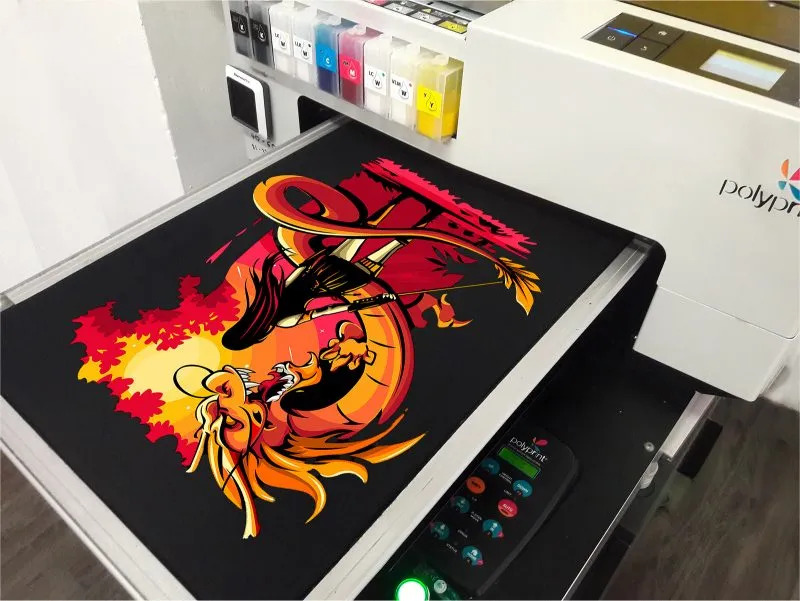
Direct to Garment (DTG) printing is a digital printing method that employs inkjet technology to apply designs directly onto textiles. This technique utilizes water-based inks, guaranteeing a soft feel and vibrant color reproduction. DTG is particularly advantageous for custom apparel printing as it accommodates complex, full-color designs with gradients and photographic details. Ideal for cotton and pretreated fabrics, it allows for on-demand printing with minimal setup time. The DTG process includes pre-treating the t-shirt of fabric, precise design preparation, and layer-by-layer ink application, followed by curing to guarantee durability. This method excels in short-run production, catering effectively to diverse client needs, making it particularly appealing for small-quantity orders. DTG printing reduces setup times and costs associated with color separation, enhancing its efficiency for custom projects.
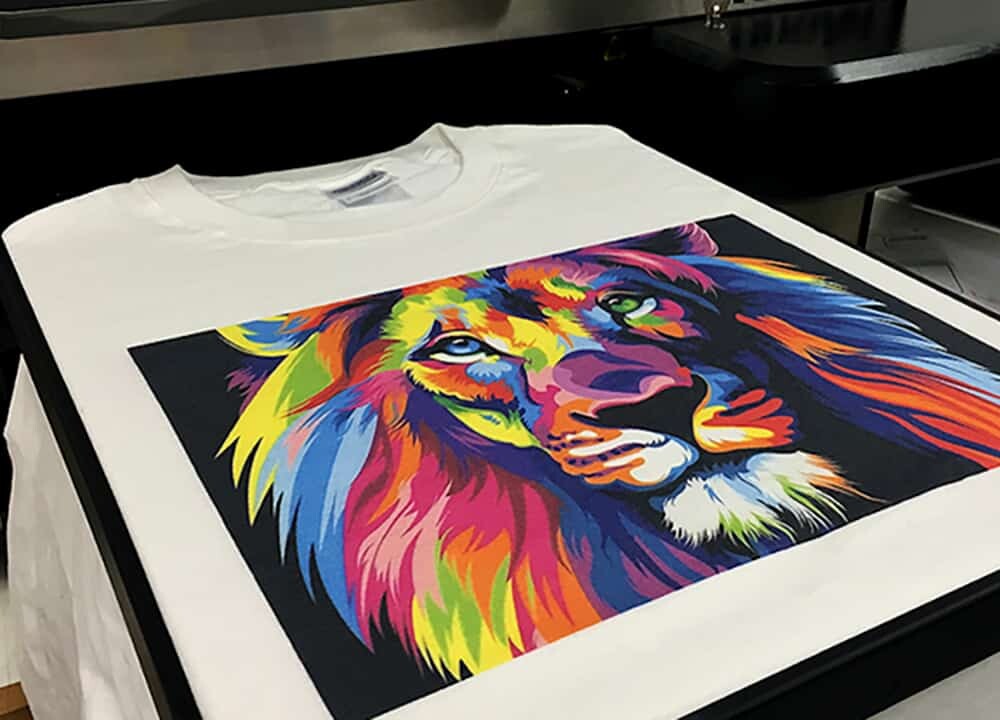
Why Merch38 deals with DIRECT TO GARMENT (DTG) PRINTING ⋆ Merch38 by merch38.com
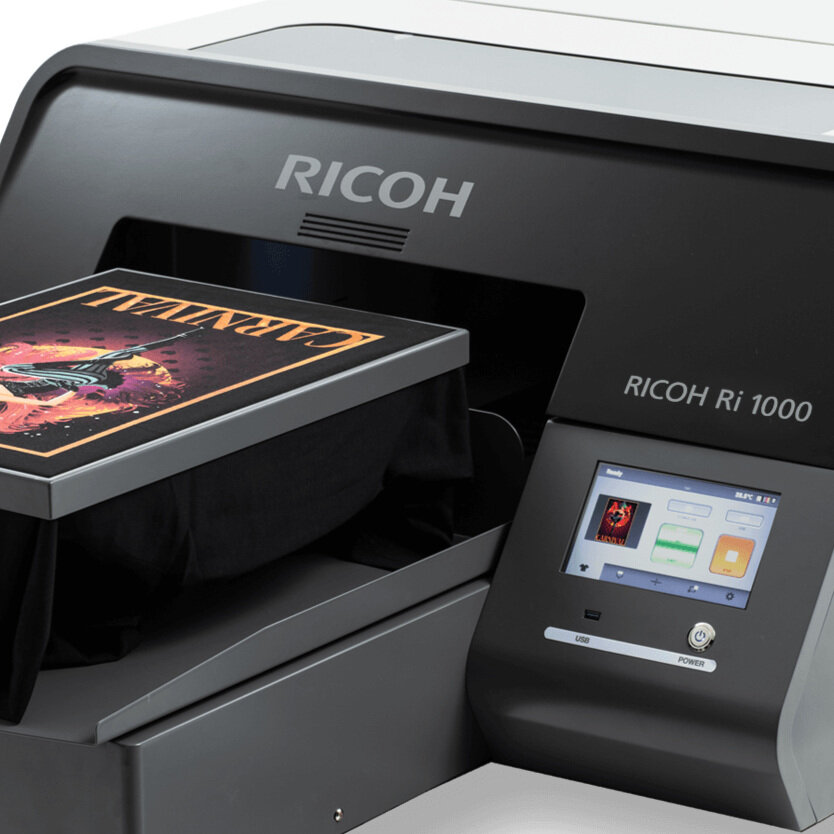
RICOH Ri 1000 Wins SGIA Product of the Year Award for 'Direct-to ... by texintel.com
Equipment and Technology Used in DTG
An understanding of the equipment and technology used in DTG printing reveals the complexity and sophistication of this process.
The primary equipment used in DTG printing includes modified inkjet printers, platen systems, and pre-treatment machines. Aqueous inkjet technology is essential, utilizing water-based inks for textile applications. Digital direct-to-garment printers are suitable for printing on polyester, enhancing versatility in fabric choices. The introduction of white ink in 2005 significantly expanded the capabilities of DTG printing, allowing it to be used on dark garments.
Technologies enhancing DTG efficiency involve high DPI capabilities, automated feed systems, and intelligent print management software. Dying systems for DTG garments include tabletop heat presses, which are crucial for finishing the printed garments.
Innovations in DTG equipment feature eco-friendly ink solutions, high-speed printers, and advanced material compatibility, which expand the range of printable fabrics. These advancements collectively contribute to streamlined workflows and improved print quality, facilitating better service for clients.
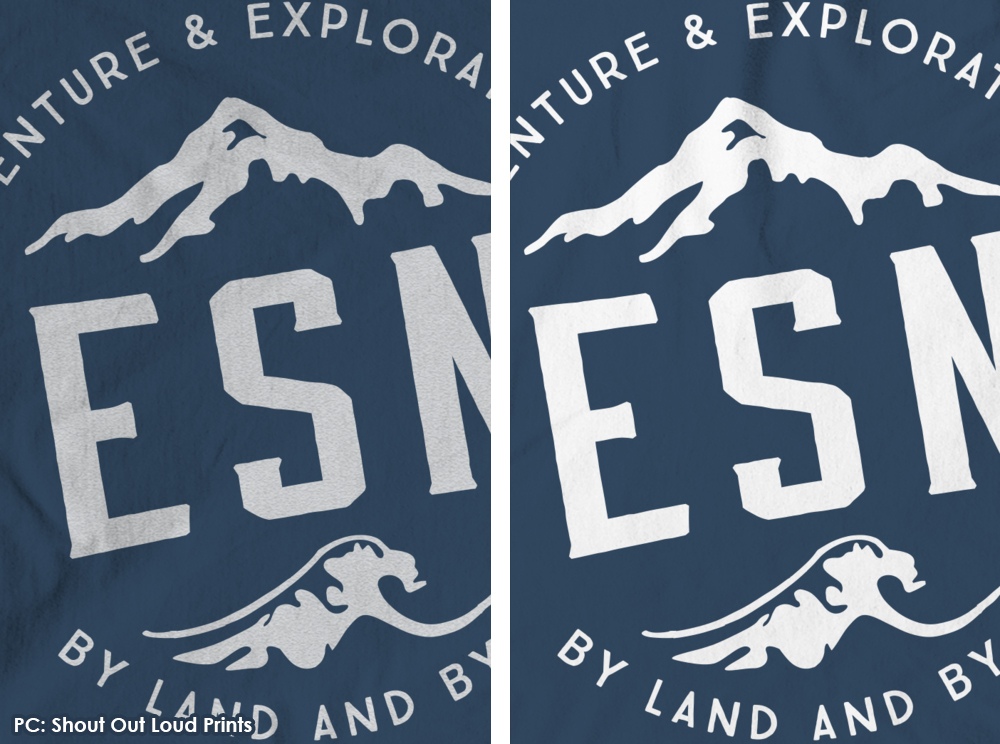
6 Benefits of Traditional Screen Printing vs. DTG Printing ... by chromaline.com
The DTG Printing Process
The DTG printing process represents a modern approach to garment decoration, employing advanced inkjet technology for direct ink application onto fabric surfaces. This method enables precise ink application, ensuring vibrant colors and intricate designs. Utilizing color management profiles, operators can achieve accurate color reproduction across various fabrics, primarily cotton and cotton blends. The process supports just-in-time production, allowing for swift fulfillment of on-demand orders without the need for screens or large quantities. Pre-treatment may be necessary for ideal ink adhesion, and the entire workflow can be digitally controlled, enhancing efficiency and reducing setup costs for custom apparel projects. DTG printing is particularly effective on 100% cotton fabrics, maximizing print quality and color vibrancy. Additionally, DTF printing offers a different method for transferring designs onto garments, expanding the options for apparel decoration.
Advantages of DTG Printing
DTG printing offers numerous advantages that enhance its appeal for custom apparel production. This method supports short-run production, making it ideal for promotional companies that require flexibility. DTG technology enables a wide range of customization options, allowing businesses to create unique designs that reflect their brand identity. The efficiency of DTG reduces setup time, accelerating the production process and minimizing inventory risks. It produces high-resolution prints with vibrant colors, ensuring high-quality outcomes. By utilizing eco-friendly inks and minimizing waste, DTG aligns with sustainable practices while meeting the diverse demands of modern consumers in various industries. Also be aware that DTG printing operates similarly to inkjet printers, which allows for a seamless integration of digital designs directly onto fabric. This technology also produces finished products overnight, significantly reducing production time for businesses that need quick fulfillment. Also, DTG printing is limited to cotton fabrics, which may restrict options for designs on different materials.
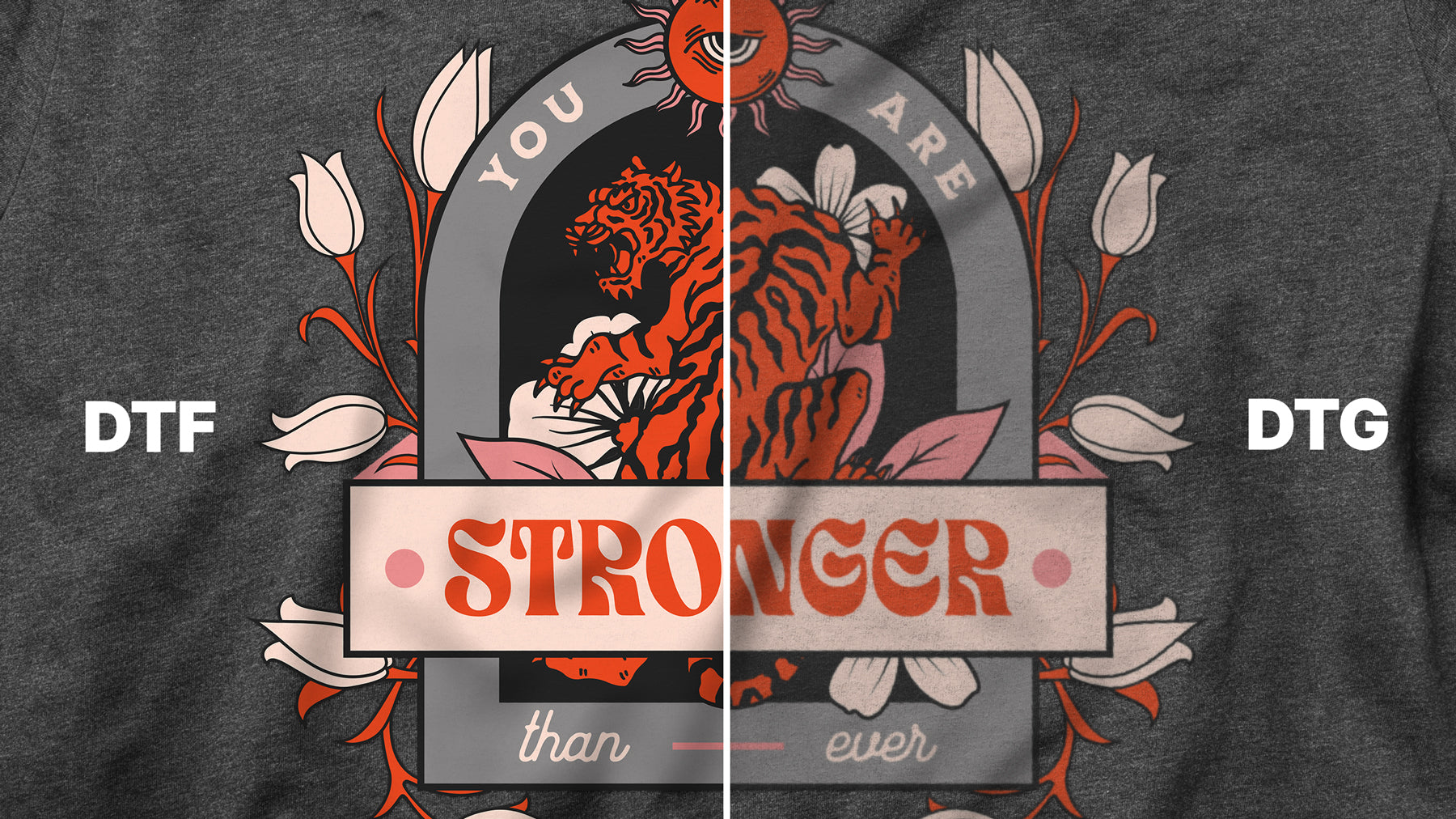
Direct-to-Film (DTF) vs. Direct-to-Garment (DTG) Printing by ninjatransfers.com
Applications and Markets for DTG
As custom apparel printing continues to evolve, applications for direct-to-garment (DTG) technology have expanded across various markets. DTG is particularly beneficial for producing t-shirts, hoodies, and tote bags, allowing for customization without extensive setup costs. This adaptability makes it ideal for corporate branding and event promotions, where personalized items enhance engagement. The technology supports small-batch production, catering to the rising demand for personalized apparel. With a projected CAGR of 12.5% from 2024 to 2030, the DTG market is positioned for significant growth, driven by consumer preference for vibrant, durable prints on various fabric types. The market is expected to achieve a compound annual growth rate (CAGR) of 4.4% from 2025 to 2035, further highlighting the industry’s potential. The market size is projected at USD 0.87 billion in 2025, illustrating the increasing demand for DTG printing solutions. With the use of the latest direct to garment printing technologies, brands can enhance their offerings and stay competitive in this growing market.
Popular Wiki Terms:
Challenges and Considerations in DTG Printing
Challenges in direct-to-garment (DTG) printing arise from a combination of financial, operational, material, design, technical, and quality assurance factors. Fashion retailers face high initial equipment costs and ongoing operational expenses for maintenance and consumables. DTG printing is slower than traditional methods, requiring skilled labor for effective pretreatment. The technology is not ideal for mass production, which can limit a retailer’s ability to scale operations efficiently. Material limitations include compatibility issues with synthetic fabrics and challenges in achieving consistent color and quality across garments. Also, DTG printing’s low initial setup costs can make it an attractive option for small runs, despite the overall investment and operational costs. Maintaining quality control is essential, as variations can occur in washfastness and ink adhesion. These factors necessitate careful consideration for businesses looking to implement DTG printing effectively, particularly for hoodies and other apparel. To enhance print quality, businesses must prioritize regular maintenance to prevent common DTG printing issues.
References & Data Sources:
https://printify.com/blog/direct-to-garment-printing-cheat-code/ – Retrieved April 29, 2025
https://merch38.com/merch38-deals-with-direct-to-garment-dtg-printing/ – Retrieved May 1, 2024
https://www.texintel.com/press-room/ricoh-ri-1000-wins-sgia-product-of-the-year-award-for-direct-to-garment-printers-black-shirt – Retrieved February 1, 2025
https://sourceone.nazdar.com/Textile-Equipment-Digital-Direct-To-Garment – Retrieved April 24, 2025
https://knowledge.polyprintdtg.com/what-is-direct-to-garment-dtg-printing – Retrieved May 1, 2025
https://ordant.com/what-is-direct-to-garment-printing/ – Retrieved May 1, 2025
https://chromaline.com/6-benefits-of-traditional-screen-printing-over-dtg-digital-printing/ – Retrieved May 1, 2025
https://www.gelato.com/blog/what-is-dtg-printing – Retrieved May 1, 2025
https://screenprintdirect.com/blogs/screen_printing_101/direct-to-film-dtf-printing-process-step-by-step – Retrieved May 1, 2025
https://sewport.com/direct-to-garment-printing – Retrieved April 30, 2025
https://aaprintsupplyco.com/blogs/news/the-pros-and-cons-of-direct-to-garment-printing-vs-screen-printing – Retrieved April 30, 2025
https://www.denverprintingcompany.com/print-products/apparel/understanding-direct-to-garment-printing-the-pros-and-cons/ – Retrieved April 30, 2025
https://ninjatransfers.com/pages/dtf-vs-dtg-printing – Retrieved April 30, 2025
https://www.globenewswire.com/news-release/2025/03/17/3043920/0/en/Global-Direct-to-Garment-Printing-Market-to-Reach-USD-1-343-6-Million-by-2035-Amid-Rising-Demand-for-Custom-Apparel-Future-Market-Insights-Inc.html – Retrieved April 30, 2025
https://www.mordorintelligence.com/industry-reports/direct-to-garment-printing-market – Retrieved April 30, 2025
https://www.kornit.com/magazine/direct-to-garment-printing-for-screen-printing-business/ – Retrieved April 30, 2025
https://knowledge.polyprintdtg.com/what-are-the-direct-to-garment-dtg-printing-drawbacks – Retrieved April 30, 2025
https://customembroideryllc.com/understanding-direct-to-garment-printing-the-pros-and-cons/ – Retrieved April 30, 2025
https://www.kornit.com/magazine/common-problems-with-dtg-printer-clothing-jsuh/ – Retrieved April 30, 2025