
CPT (Computer-to-Plate) Definition
Computer-To-Plate (CTP) technology is a digital printing process that transfers electronic images directly to printing plates. This method streamlines offset printing workflows, enhancing efficiency by eliminating the need for film and manual processing. CTP guarantees high-quality print outputs through precise imaging and automated workflows. It is widely adopted in commercial printing and high-volume publishing due to its speed, accuracy, and cost-effectiveness. Further exploration reveals its key advantages and impacts on sustainability in the industry.
Definition of Computer-To-Plate Technology
Computer-to-Plate (CTP) technology is a digital printing process that enables the direct transfer of electronic images from a computer to printing plates. This innovation streamlines workflows in offset printing, greatly enhancing efficiency by eliminating the need for film and manual processing. CTP improves image quality and reduces errors, offering greater accuracy in plate production. The technology supports various print processes, including lithography, and is integral to modern digital printing practices. CTP technology is preferred for commercial printing due to its ability to enhance speed, accuracy, and cost-effectiveness in printing applications. Additionally, improved print quality is achieved through the use of laser graphics that are first generation, ensuring no resolution loss. Also, CTP technology contributes to a lower environmental footprint in the printing industry by minimizing waste and energy consumption.
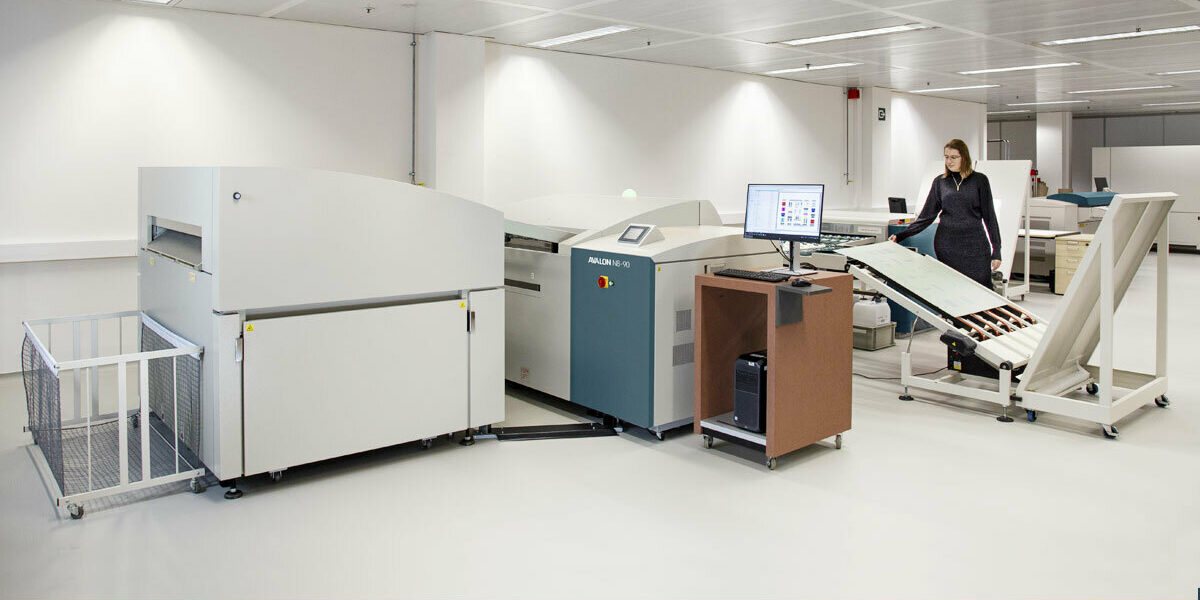
ECO3 Avalon 8-up - B1 size thermal CtP platesetters by eco3.com
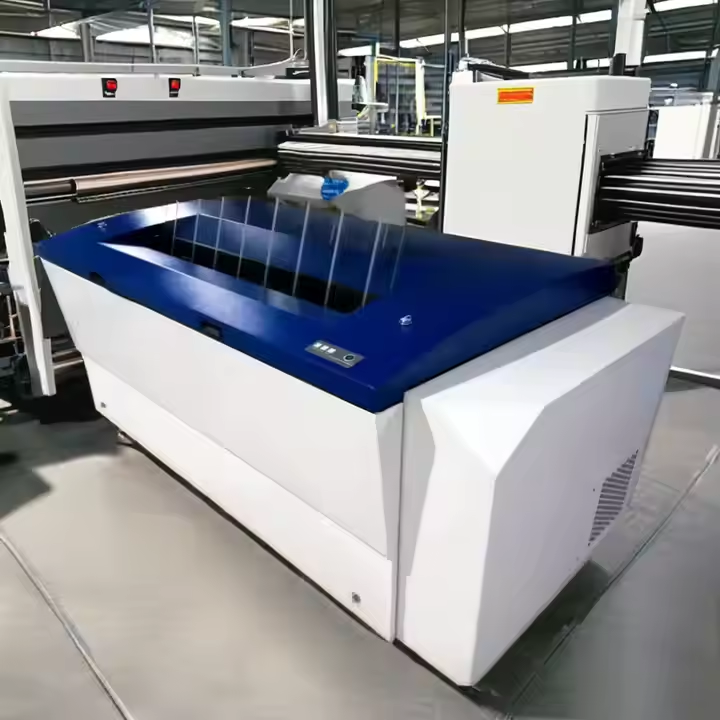
Used Pre-Press Equipment Automatic CTP CTCP Plate Maker New ... by alibaba.com
The Process Workflow of CPT
The process workflow of Computer-to-Plate (CTP) technology encompasses several critical stages that guarantee the accurate transfer of digital images to printing plates.
Initially, digital file preparation includes formatting and the proofing process to verify quality. Following this, plate imaging employs lasers for precise layer separation. The use of ultraviolet light lamps or laser diodes in CTP methods ensures high-quality imaging. The different types of plates used in CTP technology cater to distinct printing quality and efficiency needs. Additionally, CTP technology advancements lead to improved imaging accuracy, ensuring that each print meets the highest standards.
The developed plates undergo rigorous quality control before press mounting, where registration alignment and ink balance are achieved. This method enhances workflow efficiency by reducing errors associated with traditional film processes. The integration of CTP facilitates quicker turnaround times, enabling effective production for various applications, including marketing collateral and high-volume publishing.
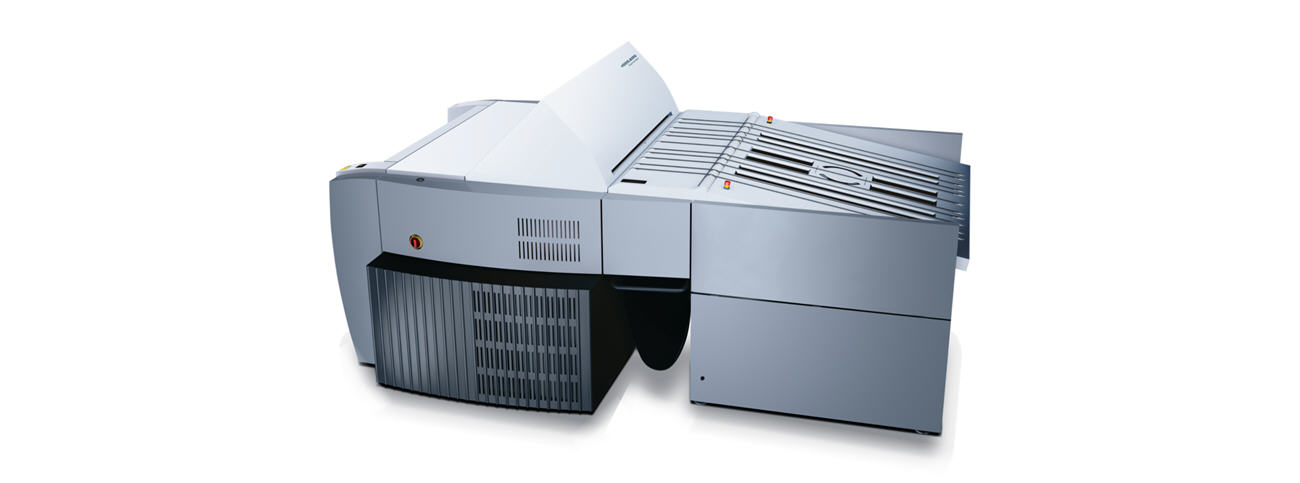
Computer-to-plate (CtP) by heidelberg.com
Key Advantages of Using CPT
Utilizing Computer-to-Plate (CTP) technology offers numerous advantages that enhance the printing process across various applications. The shift to CTP greatly reduces prepress time, enhancing productivity by streamlining workflows and automating tasks. High-resolution imaging capabilities guarantee superior print quality, eliminating variability and guaranteeing consistent results. CTP promotes environmental sustainability by minimizing waste from film and chemicals, thereby lowering the ecological footprint of the printing process. This technology also facilitates automated workflows, assuring efficiency regardless of operator skill. Also be aware that CTP solutions shorten production run times, supporting faster delivery times and fostering customer loyalty. Also, CTP systems can achieve high plate making speeds that exceed traditional methods by over 3 times, significantly improving overall production efficiency. This results in a reduction in prepress steps that accelerates project completion, further enhancing operational effectiveness.
In the end, CTP not only improves operational efficiency but also supports cost savings in production and resource utilization.
Technical Components of CPT Systems
CPT systems incorporate a range of technical components that work synergistically to enhance the printing process. Central to these systems are CTP machines, which utilize advanced imaging technologies, including thermal and visible-light lasers, to produce high-quality plates.
Raster image processing (RIP) software converts digital files into plate-ready data while guaranteeing effective color calibration. Photopolymer plates, known for their durability, are commonly employed alongside automated plate registration systems that guarantee precise alignment.
Configurations such as internal and external drum systems, coupled with multi-laser capabilities, facilitate efficient production, further optimizing workflow in contemporary printing environments.
SCREEN CTP Platerite Platesetter 8600S Machine 2012 or Newer to Sell by alibaba.com
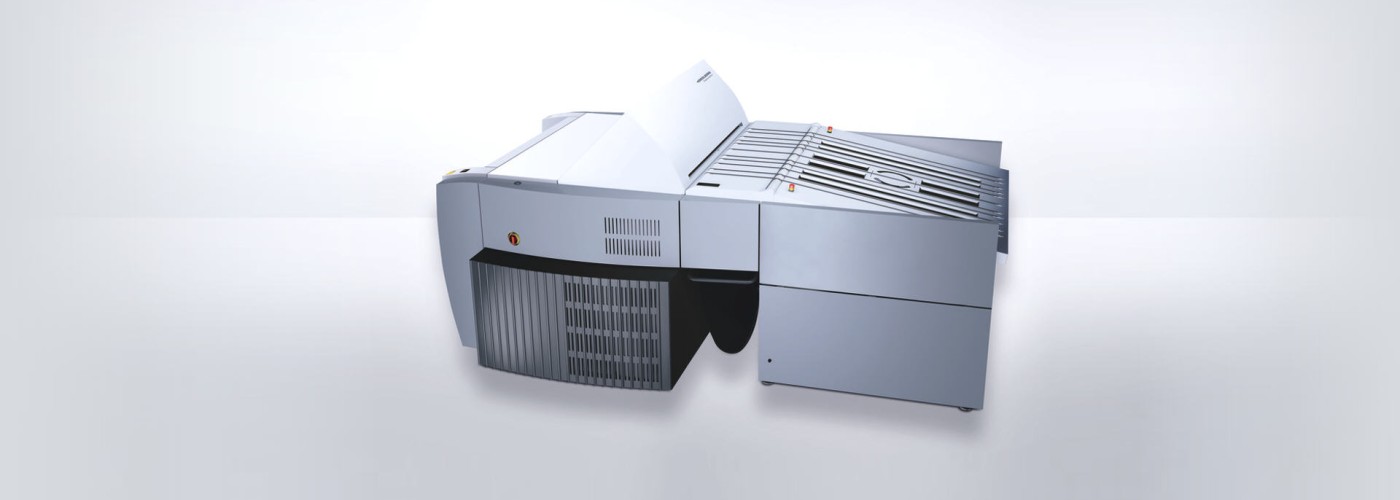
Computer-to-plate (CtP) by heidelberg.com
Industry Applications of Computer-To-Plate
Computer-to-plate (CTP) technology has significantly transformed the landscape of various printing industries by streamlining the process of producing high-quality printing plates directly from digital files. CTP machines are widely adopted in commercial printing applications, enhancing workflow efficiency and reducing costs. This technology is essential in high-volume publishing, ensuring precise color control and detailed designs. Additionally, improved image quality is achieved through direct transfer, resulting in sharper and more accurate prints. The elimination of film in prepress processes further contributes to cost savings and sustainable practices in the industry. Also, the ability of CTP machines to operate at varying speeds of 10-60 plates per hour ensures adaptability to different production needs.
In packaging prototyping, CTP reduces waste and increases production speed while accommodating diverse materials. The environmental impact is minimized through decreased chemical usage and labor costs, aligning with sustainable practices that benefit the industry and the environment alike.
Popular Wiki Terms:
Future Considerations for CPT Technology
As the printing industry evolves, future considerations for CTP technology increasingly focus on integrating advanced digital solutions and sustainable practices. The market forecast indicates significant growth in CTP systems, particularly in North America and the Asia Pacific region. Technological innovation in CTP machines is expected to enhance print quality and efficiency through higher resolution and faster plate production. Automation addresses skilled labor shortages in the printing industry, which will further drive the adoption of CTP technologies. Additionally, automation streamlining processes will play a crucial role in reducing setup times and ensuring consistency. The CTP technology’s ability to eliminate film production significantly contributes to sustainability considerations, which will drive further adoption, as CTP reduces waste and carbon footprints. Investment in CTP technology not only lowers operational costs but also aligns with long-term environmental goals, enhancing competitive advantage.
References & Data Sources:
https://print-us.fujifilm.com/news-updates/cpt-upgrades/ – Retrieved April 29, 2025
https://www.inkcups.com/laser-plate-makers/computer-to-plate-printing/ – Retrieved May 1, 2024
https://www.devx.com/terms/computer-to-plate/ – Retrieved February 1, 2025
https://eco3.com/products/avalon-8-up-ctp – Retrieved April 24, 2025
https://www.alibaba.com/product-detail/Used-Pre-Press-Equipment-Automatic-CTP_1601359696442.html – Retrieved May 1, 2025
http://www.geocities.ws/rodelbalagot/cai/procedure_computertoplate.html – Retrieved May 1, 2025
https://en.wikipedia.org/wiki/Computer_to_plate – Retrieved May 1, 2025
https://www.deprintedbox.com/blog/ctp-technology-in-the-modern-offset-printing-process/ – Retrieved May 1, 2025
https://www.heidelberg.com/global/en/products/computer_to_plate_1/prepress_overview.jsp – Retrieved May 1, 2025
https://www.platesetters.com/ctp-technology-offers-four-key-competitive-advantages/ – Retrieved April 30, 2025
https://www.huidaoffsetplate.com/es/blogs/default/a-brief-discussion-on-the-advantages-of-computer-to-plate-technology-ctp – Retrieved April 30, 2025
https://www.plate-ctp.com/blog/what-are-the-advantages-of-ctp/ – Retrieved April 30, 2025
https://www.alibaba.com/product-detail/SCREEN-CTP-PlateRite-Platesetter-8600S-Machine_1600397834017.html – Retrieved April 30, 2025
https://www.plate-ctp.com/blog/computer-to-plate-ctp/ – Retrieved April 30, 2025
https://andersonvreeland.com/investing-in-computer-to-plate-systems/ – Retrieved April 30, 2025
https://www.plate-ctp.com/blog/ctp-machine-for-printing/ – Retrieved April 30, 2025
https://www.kodak.com/en/print/blog-post/ctp-why-invest-now/ – Retrieved April 30, 2025
https://stargraphicsupplies.com/pages/star-blog.htmlthe-future-of-offset-printing-innovations-and-trends-to-watch/ – Retrieved April 30, 2025
https://www.maximizemarketresearch.com/market-report/global-computer-to-plate-printing-system-market/120008/ – Retrieved April 30, 2025