
Cotton Paper Definition
Cotton paper is a premium writing material composed primarily of cotton linters or recycled cotton fabric. It is notable for its exceptional durability, resistance to tearing, yellowing, and aging. The production process includes cleaning, pulping, and sheet formation, ensuring high cellulose content and quality control. Cotton paper is often acid-free, making it suitable for archival applications. Its use is prevalent in professional stationery, luxury packaging, and artistic purposes. Further details on its environmental impact and market dynamics follow.
Definition and Composition of Cotton Paper
Cotton paper is a specialized type of paper primarily composed of cotton linters or recycled cotton fabric, distinguishing itself from conventional paper made from wood pulp.
Cotton paper, made from cotton linters or recycled fabric, stands apart from traditional wood pulp paper.
Its composition features long, smooth cotton fibers that contribute to its durability characteristics, such as resistance to tearing, yellowing, and aging. This paper is often considered premium due to its archival-grade nature. Many fine art papers, including those from Strathmore, incorporate a mix of 3 parts rag to cotton linters, further enhancing their strength and quality. Also, cotton paper’s archival certification of 100+ years ensures that it retains its quality over time, making it a preferred choice for fine art prints. Sustainability credentials such as being made from 100% cotton and utilizing textile waste further enhance its appeal.
Environmental factors enhance its appeal; cotton paper is biodegradable and frequently utilizes textile waste, promoting sustainability.
With a focus on composition, durability, and environmental responsibility, cotton paper serves as an effective alternative to traditional wood pulp papers.
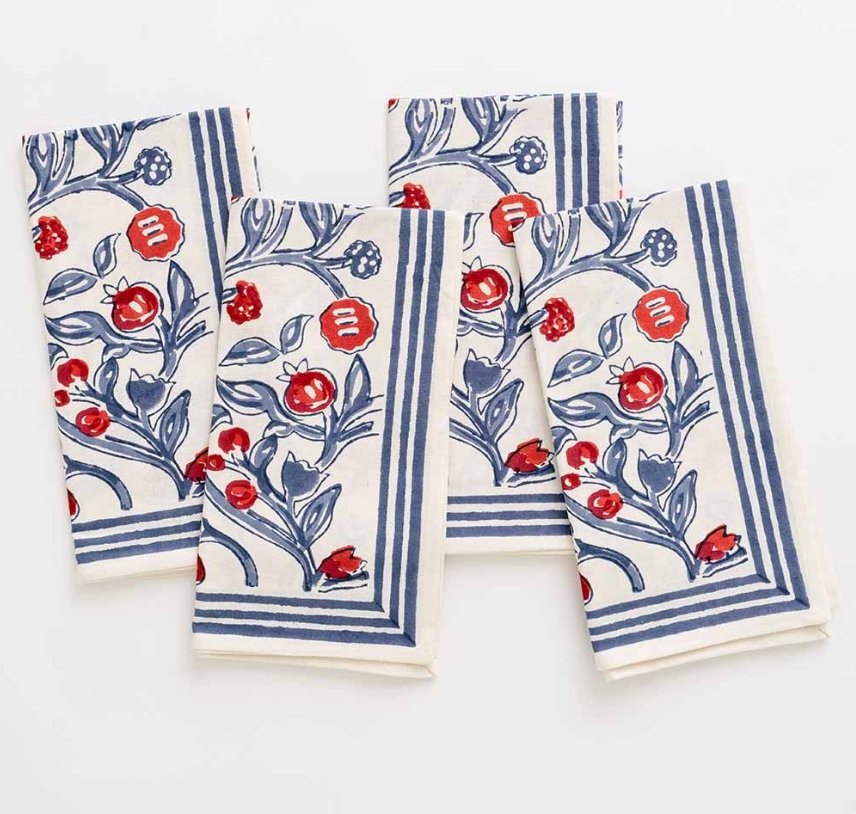
Fun Group Shot
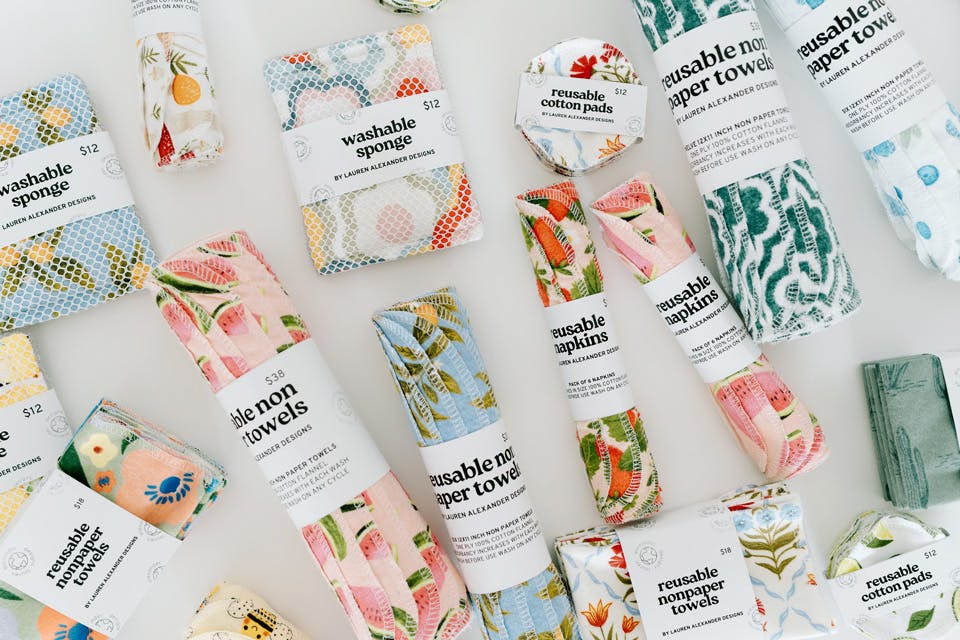
Production Process of Cotton Paper
The production process of cotton paper involves several meticulously controlled steps that confirm the final product meets high standards of quality and durability.
Initially, raw materials, such as cotton linters or textile waste, undergo cleaning and scouring to remove impurities. The fibers are then pulped using alkaline cooking or eco-friendly methods. The high cellulose content of cotton pulp ensures that the resulting paper maintains its whiteness and durability. In addition, cotton pulp is transformed from cotton rags into slurry, which enhances the paper’s strength and texture. The use of a wool-picker device in the initial cleaning stage effectively removes dirt and seeds from the raw cotton, ensuring a cleaner fiber for pulping.
Following this, the diluted pulp is carefully formed into sheets, with custom fiber density determining the gsm. The sheets are pressed, dried, and optionally calendered to enhance finishing compatibility.
Quality control assures high durability and uniformity, while sustainable practices promote the use of recycled materials, aligning with sustainability factors.
Environmental Impact of Cotton Paper
An examination of the environmental impact of cotton paper reveals several advantages over conventional wood-based alternatives.
The production of cotton paper utilizes recycled cotton fibers, considerably reducing waste and the carbon footprint associated with textile disposal. Its durability and longevity minimize the need for frequent replacements, further contributing to waste reduction. Additionally, cotton bags require significant resources and need to be reused 20,000 times to equal the environmental impact of plastic bags, highlighting the importance of sustainable practices in their usage. Cotton paper production also diverts textile waste from landfills, which helps mitigate the fashion industry’s waste impact. Also, the production of cotton paper supports sustainable farming practices when sourced from organic cotton, enhancing its eco-friendly credentials.
Cotton paper manufacturing consumes less water and energy, while avoiding harmful chemicals associated with wood pulp processing. The energy-efficient processes used in production lower greenhouse gas emissions, promoting a cleaner environment.
Properties and Durability of Cotton Paper
High durability and longevity characterize cotton paper, making it a preferred choice for various applications. Its thickness ranges from 90 gsm to 300 gsm, depending on the intended use. Cotton paper exhibits exceptional durability due to its long cellulose fibers, which resist tearing and wear. Acid-free varieties guarantee archival stability, preventing yellowing and degradation over time. This makes cotton paper suitable for archival documents and legal records. Additionally, 100% cotton paper is compatible with various print processes, including offset, letterpress, and digital printing, facilitating vibrant color retention and detail. The inclusion of cotton fibers enhances the overall quality and longevity of the paper, making it ideal for important documents.
Uses and Applications of Cotton Paper
Cotton paper serves a diverse range of applications due to its inherent durability and versatility. It is favored for archival documents, ensuring longevity and resistance to deterioration. Cotton paper is naturally acid-free, making it an excellent material for preserving essential information. Its high cellulose content enhances the strength and quality of the paper, further contributing to its longevity. Also, cotton paper is considered archival quality due to its ability to resist fading and deterioration over time.
Cotton paper is celebrated for its durability and versatility, making it the perfect choice for archival documents that require longevity.
Institutions, such as libraries and museums, utilize cotton paper for preserving essential information. In the domain of fine arts, artists prefer it for high-end brochures and limited edition artworks, benefiting from its high-quality ink absorption and vibrant color retention. Cotton paper excels in luxury packaging, enhancing the presentation of products. Its durability and acid-free nature make it an ideal choice for official records and professional stationery, ensuring lasting quality.
Popular Wiki Terms:
Economic and Cultural Preferences for Cotton Paper
Economic and cultural preferences greatly influence the demand for cotton paper in various markets. Increasing consumer awareness of environmental benefits drives interest in sustainable cotton paper. Many individuals are willing to pay premium prices for products perceived as ethically produced and socially responsible. Consumers show a higher willingness to pay for US-made cotton apparel, which reflects a similar trend in the cotton paper sector where local production is valued. Market trends indicate a competitive advantage for producers who prioritize transparency and ethical production practices. Regional preferences and certifications further shape consumer choices, enhancing brand loyalty among conscientious buyers. Fluctuations in cotton pricing and economic conditions can also impact the affordability and availability of sustainable options, influencing overall consumer preferences in the cotton paper sector. Additionally, risk preferences can significantly affect how consumers approach their purchasing decisions in this market. Recent studies suggest that consumer preferences for sustainable cotton choices are increasingly shaping market dynamics and influencing producers’ strategies.
References & Data Sources:
https://www.strathmoreartist.com/blog-reader/cotton-paper-vs-rag-paper – Retrieved April 28, 2025
https://artistservices.co.nz/blogs/news/what-is-cotton-rag-paper – Retrieved April 30, 2024
https://www.printed.com/blog/the-cotton-paper-process/ – Retrieved January 30, 2025
https://paperpulpingmachine.com/applications/cotton-pulp-making/ – Retrieved April 23, 2025
https://www.mohawkconnects.com/article/mohawk-blog/evolution-cotton-paper – Retrieved April 30, 2025
http://vgpaper.com/cotton.html – Retrieved April 30, 2025
https://news.climate.columbia.edu/2020/04/30/plastic-paper-cotton-bags/ – Retrieved April 30, 2025
https://www.paperpapers.com/news/assessing-eco-friendly-paper-alternatives/ – Retrieved April 30, 2025
https://www.allthingscottonpaper.com/blog-1-1/cotton-paper-vs-traditional-paper-benefits – Retrieved April 30, 2025
https://en.wikipedia.org/wiki/Cotton_paper – Retrieved April 29, 2025
https://etchrlab.com/blogs/news/cotton-percentage – Retrieved April 29, 2025
https://www.paperpapers.com/news/what-is-cotton-paper/ – Retrieved April 29, 2025
https://paper-pulper.com/the-applications-of-cotton-linter-pulp/ – Retrieved April 29, 2025
https://onlinelibrary.wiley.com/doi/full/10.1002/agr.21802 – Retrieved April 29, 2025
https://direct.mit.edu/rest/article/95/4/1386/58283/Time-to-Change-What-to-Sow-Risk-Preferences-and – Retrieved April 29, 2025
https://ideas.repec.org/p/ags/aaea22/343888.html – Retrieved April 29, 2025