
CMYK (Cyan, Magenta, Yellow, Black) Definition
CMYK refers to a color model that utilizes four ink colors: cyan, magenta, yellow, and black (key). This subtractive system is essential for accurate color reproduction in commercial printing. It creates a range of colors through the absorption of light wavelengths. The model enhances depth and contrast in printed images, optimizing cost and efficiency. CMYK is widely used across various printing technologies and industries, ensuring consistency and precision in color representation. Further exploration reveals its extensive applications.
Overview of CMYK Color Model
The CMYK color model is a subtractive color system that utilizes the primary colors cyan, magenta, yellow, and black (key) for accurate color reproduction in commercial printing. This model serves as a standard for ensuring precise color representation on physical media, particularly in marketing materials like brochures and labels. The addition of black enhances depth and reduces reliance on CMY mixtures, improving cost efficiency. Halftoning allows for less than full saturation of primary colors, using tiny dots of ink to create the perception of solid color when viewed from a distance. This approach reflects the strengths and limitations of the CMYK model, which is designed to reproduce colors accurately but may produce more muted tones compared to RGB on screens. Historically, CMYK emerged in the 1890s, evolving from earlier color models to become an industry standard. Its technical functionality involves the blocking of specific light wavelengths to create desired colors, making it essential for effective print production. CMYK is designed for printed materials and ensures color consistency across various types of printed outputs.
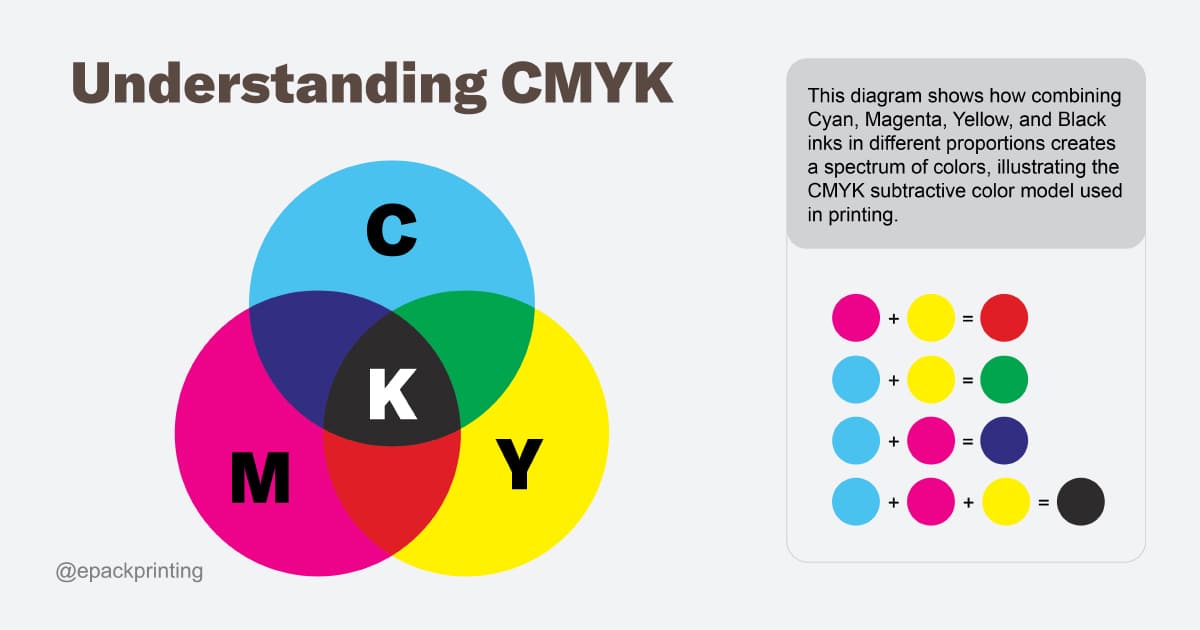
CMYK Printing Guide: Achieve Vibrant and Accurate Colors by epackprinting.com
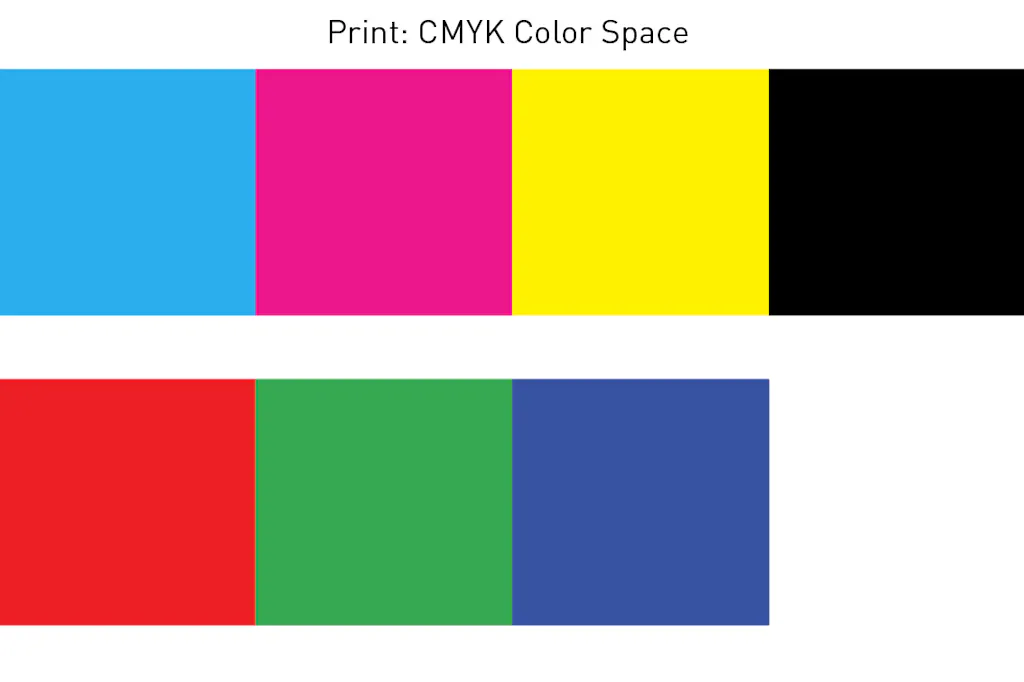
Learn About Color Space by smartpress.com
The Process of CMYK Color Mixing
CMYK color mixing involves a systematic approach to creating a wide spectrum of colors through the subtractive color model. This process utilizes cyan, magenta, yellow, and black inks to absorb specific wavelengths of light. Basic combinations result in secondary colors; for example, cyan and magenta yield blue, while yellow and blue produce green. The addition of black enhances depth and aids color intensity. Each printed hue is achieved by layering these inks, adjusting their densities to create various shades and tones. Accurate color reproduction relies on careful management of ink balance and precise alignment during the printing process, making the role of key in CMYK crucial for achieving depth and contrast in printed images. Additionally, printers use reflected light and subtractive color inks to ensure that the colors produced are vibrant and true to the desired output. Effective color management techniques are vital for consistent results in CMYK printing, ensuring that each label accurately represents the intended design.
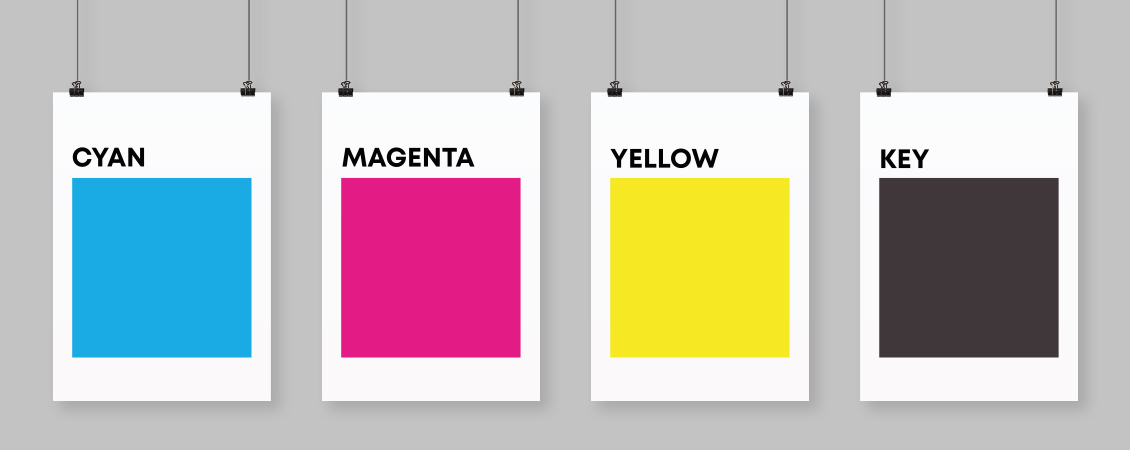
What is CMYK? What Does CMYK Mean & What Does It Stand For ... by instantprint.co.uk
CMYK in Modern Printing Technology
In modern printing technology, the CMYK color model serves as a foundational element for achieving accurate color reproduction in various print applications. It is utilized extensively in offset, digital, and large format printing, producing consistent results across materials such as brochures, business cards, and posters. Despite its limitations in color accuracy due to the reliance on four inks, CMYK remains the industry standard. Digital tools facilitate the conversion from RGB to CMYK, ensuring compatibility across different devices. Also, advancements in technology continue to enhance the efficiency and reliability of CMYK printing, addressing the evolving needs of marketing collateral and packaging solutions. This is particularly important because CMYK is designed for ink, making it more effective for printed media compared to digital formats. Additionally, color separation plays a crucial role in ensuring that each component color is accurately represented in the final print output. The combination of Cyan, Magenta, Yellow, and Black allows for a wide range of vibrant colors that can be achieved in printed materials.
Advantages of Using CMYK
Utilizing the CMYK color model offers numerous advantages in the domain of printing, particularly in achieving accurate color reproduction essential for maintaining consistent branding. This model guarantees cost-effectiveness in large print runs by employing a fixed set of inks, which enhances efficiency and productivity. In addition, CMYK is versatile, accommodating various materials and printing techniques, thereby allowing for consistent results across substrates. It captures a wide color gamut, facilitating detailed imagery and natural representation of complex hues. CMYK’s reliability minimizes discrepancies between digital previews and final outputs, supporting long-term brand recognition and customer engagement effectively. This is primarily due to CMYK’s consistency in printing across multiple runs, ensuring that colors remain uniform throughout different batches. Also be aware that its cost efficiency makes it particularly beneficial for simple designs with limited colors. Also, CMYK is ideal for high graphics and photographic-style images, making it suitable for diverse branding projects.
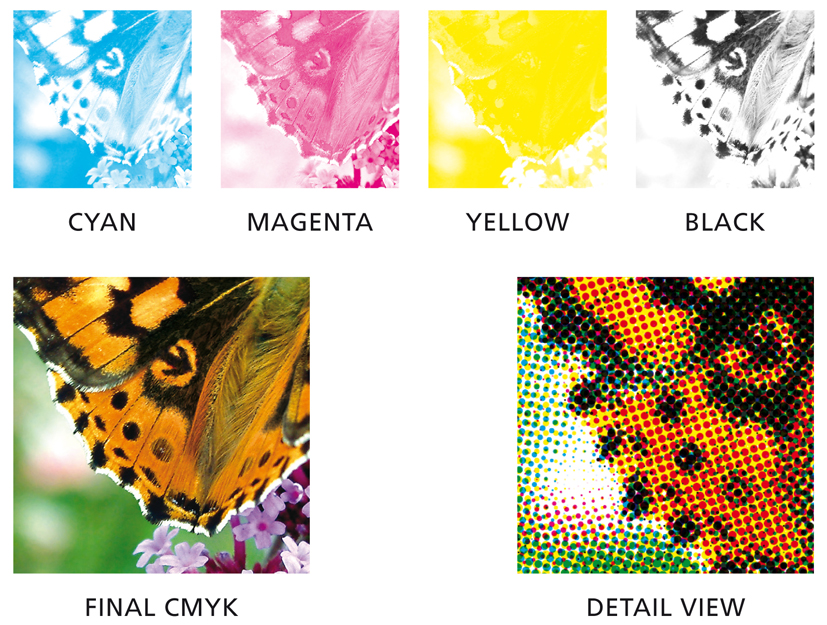
Difference Between Spot Color and CMYK Color – Blog of Shanghai DE ... by deprintedbox.com
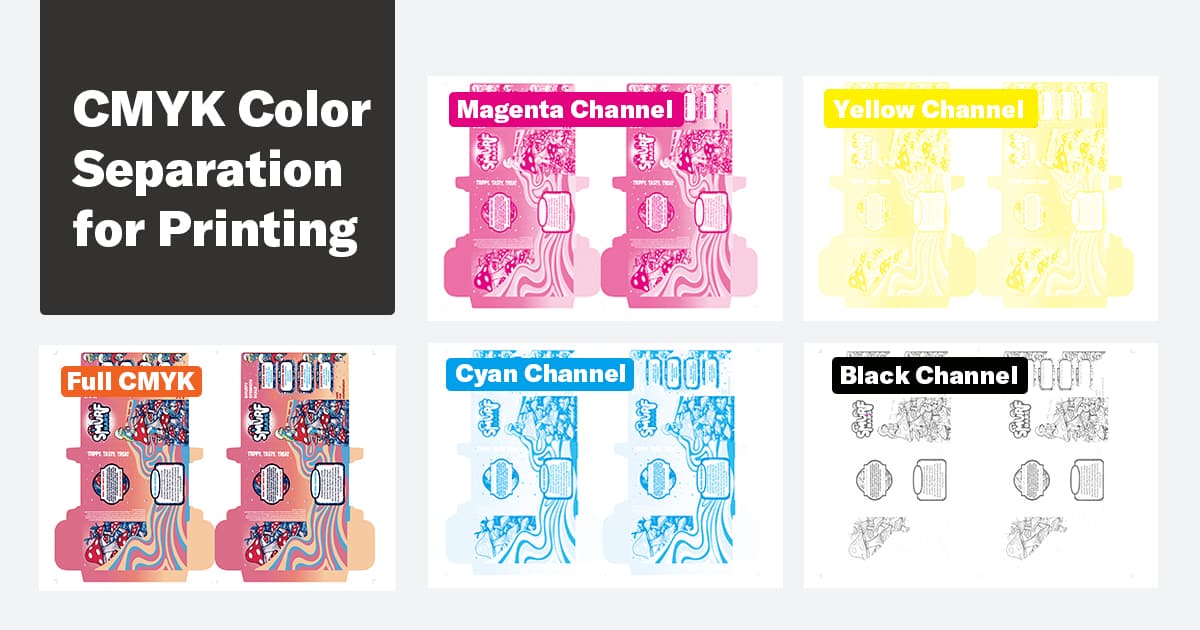
CMYK Printing Guide: Achieve Vibrant and Accurate Colors by epackprinting.com
Popular Wiki Terms:
Practical Applications of CMYK in Various Industries
The practical applications of the CMYK color model span multiple industries, demonstrating its versatility and reliability in print production.
In commercial printing, CMYK guarantees consistent color reproduction for high-volume materials such as brochures and business cards. CMYK is a subtractive model that allows for a wide range of colors to be created through dot placement, making it ideal for intricate designs. Understanding color science is essential to ensure that the desired hues are achieved accurately in the final output. The CMYK color model is especially beneficial when printing photographs, as it effectively blends colors to produce a vibrant final product.
The packaging industry benefits from its cost-effectiveness for multicolor designs, maintaining brand identity across various materials.
In publishing, CMYK dominates magazine and book printing, facilitating accurate color representation.
Promotional products leverage CMYK for branded merchandise, allowing for rapid prototyping.
Finally, in textile printing, CMYK combines with other techniques to optimize ink saturation and prevent bleeding, assuring quality output across diverse fabrics.
References & Data Sources:
https://en.wikipedia.org/wiki/CMYK_color_model – Retrieved April 29, 2025
https://www.andacademy.com/resources/blog/graphic-design/what-is-cmyk/ – Retrieved May 1, 2024
https://www.figma.com/resource-library/what-is-cmyk/ – Retrieved February 1, 2025
https://www.epackprinting.com/support/understanding-cmyk/ – Retrieved April 24, 2025
https://smartpress.com/support/color-ink/color-space – Retrieved May 1, 2025
https://stampaprints.com/blog/what-is-cmyk/ – Retrieved May 1, 2025
https://www.xrite.com/blog/what-is-subtractive-cmyk-color-model – Retrieved May 1, 2025
https://www.plctx.com/blog/guide-to-understanding-the-cmyk-4-color-label-printing-process/ – Retrieved May 1, 2025
https://www.instantprint.co.uk/printspiration/print-design-tips/what-is-cmyk – Retrieved May 1, 2025
https://pakfactory.com/blog/cmyk-packaging-print/ – Retrieved April 30, 2025
https://www.thecustomboxes.com/blog/cmyk-color-model/ – Retrieved April 30, 2025
https://www.jukeboxprint.com/blog/understanding-K-in-CMYK – Retrieved April 30, 2025
https://www.swiftpublisher.com/useful-articles/cmyk-in-printing-explained – Retrieved April 30, 2025
https://www.textiletoday.com.bd/advantages-disadvantages-of-cmyk-screen-printing – Retrieved April 30, 2025
https://packoi.com/blog/spot-color-printing-vs-cmyk-printing/ – Retrieved April 30, 2025
https://www.deprintedbox.com/blog/spot-vs-process-color/ – Retrieved April 30, 2025
https://www.boxgenie.com/blogs/news/what-is-cmyk-cmyk-applications-in-packaging – Retrieved April 30, 2025
https://www.sttark.com/blog/understanding-cmyk-rgb-and-pms-colors – Retrieved April 30, 2025
https://refinepackaging.com/blog/what-is-cmyk-color-model/ – Retrieved April 30, 2025