
Cast Coated Paper Definition
Cast coated paper is a high-gloss, smooth-surfaced substrate primarily made from wood pulp, enhanced by a clay coating that improves brightness and color reproduction. It is manufactured through a blade coating method, which applies a pigment mixture onto base paper, followed by a casting process under heat and pressure. This type of paper is notable for its durability, moisture resistance, and minimal curling, making it suitable for luxury packaging and high-quality print applications. Further insights are available on its various characteristics and uses.
Definition and Composition of Cast Coated Paper
Cast coated paper is defined as a high-gloss, smooth-surfaced substrate produced through a specialized coating and drying process that utilizes heat and pressure.
This paper is primarily composed of wood pulp, which provides structural integrity, and clay coating, which enhances surface quality. The clay acts as a pigment, delivering a mirror-like finish that is ideal for vibrant color reproduction. The coatings often include latex or synthetic resins, which improve durability and adhesion. This unique composition allows cast coated paper to excel in applications requiring crisp imagery and rich colors, making it suitable for premium packaging and high-end print materials. Cast coated paper is known for its vibrant image reproduction that adds visual appeal to printed products. Cast coated paper typically contains a high pigment content, which contributes to its good surface properties.
A4 115g Adhesive Photographic Cast Coated Inkjet Double Side ... by alibaba.com
ECVV 7 Inch Cast Coated Photo Paper for Photograph Printer 5x7 ... by amazon.sa
Manufacturing Process of Cast Coated Paper
The manufacturing process of cast coated paper involves several meticulously controlled steps that guarantee the desired high-gloss finish and structural integrity. Initially, base paper, typically weighing 80-350 gsm, is prepared with specific moisture levels and surface smoothness. A blade coating method applies a carefully formulated pigment mixture, enhancing printability for offset lithography. Following this, a re-wetting solution facilitates gel formation before the coating contacts a mirror-polished casting drum, heated to 105°C. This process solidifies the coating under pressure, ensuring that it achieves the required smoothness and glossiness. This process reflects the importance of intellectual property protection in promoting innovation in paper manufacturing technologies. Also, the cast coated paper technology was developed and patented by S.D Warren in the early 1950s. Finally, controlled drying stabilizes the structure, ensuring the high gloss finish is uniform and ready for commercial use.
Key Characteristics of Cast Coated Paper
Key characteristics of cast coated paper are defined by its unique surface finish, durability, and material behavior, which collectively enhance its applicability in various printing processes. The high gloss, mirror-like finish offers superior brightness and vibrant color reproduction, making it ideal for detailed image work. This gloss coated paper exhibits enhanced durability and resistance, including moisture resistance and minimal curling in humid conditions. The cast coated paper has a higher gloss level despite visual cloudiness, which can be advantageous in specific applications. Its layered coating provides a protective barrier against abrasion, ensuring the integrity of printed images. Also, the paper’s rapid drying times and reduced ink consumption further optimize its performance in high-speed printing applications. Gloss coating is not suitable for text-heavy publications due to eye strain from light reflection. It is also important to note that cast coated paper is compatible only with dye ink, making it less versatile compared to other paper types.
Common Uses of Cast Coated Paper
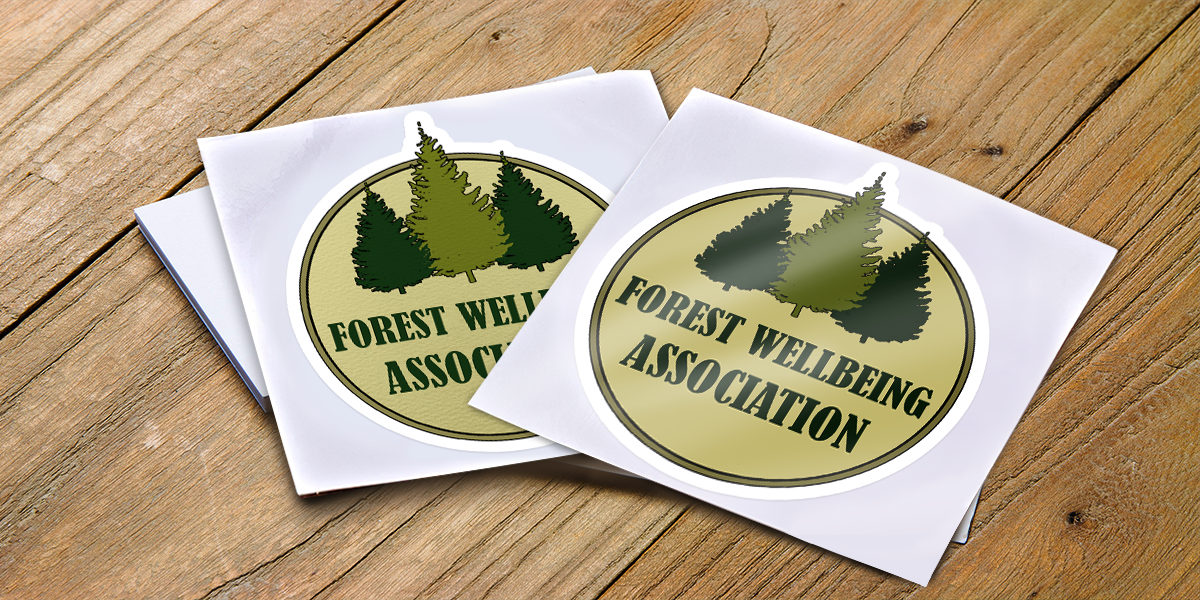
Common applications of cast coated paper leverage its high-gloss finish and durability, making it a preferred choice in various industries. This paper is widely used in luxury packaging, where its reflective surface enhances product appeal. It also excels in photographic reproduction, delivering superior color accuracy and detail. Cast coated paper finds utility in the labeling industry, business cards, and membership cards due to its modern aesthetics. Its moisture resistance and ease of maintenance contribute to its longevity, ensuring that printed materials remain pristine over time. Coated paper is more difficult to write on with pen or pencil, which is an important consideration for certain applications. Careful handling is essential to prevent damage, particularly during folding or storage. The use of cast coated paper helps maintain a crisp and professional look for an extended period, making it ideal for high-end projects.
Historical Context of Cast Coated Paper
Cast coated paper emerged as a specialized category of coated paper characterized by its high gloss finish, primarily achieved through a meticulous coating process.
Developed in the mid-20th century, its invention coincided with significant technological advancements that improved consistency and quality. Initially popular in the 1960s and 1970s, cast coated paper found favor in luxury packaging, often associated with upscale brands. Its reflective surface met contemporary aesthetic demands, solidifying its position in the market. Innovations in manufacturing processes further enhanced production efficiency, allowing for wider distribution and use in various applications, reinforcing its appeal in premium packaging solutions. Gloss coated paper offers a distinct look and feel that enhances the overall quality of printed materials.
Popular Wiki Terms:
Comparison to Other Types of Paper
The characteristics of cast coated paper distinguish it from various other types of paper available in the market. Unlike gloss coated and C1S papers, cast coated paper offers superior image quality with its high gloss, mirror-like finish, resulting from its unique manufacturing process. Cast coated paper provides higher water resistance, making it an excellent choice for prints exposed to moisture.
With regard to durability and resistance, cast coated paper excels with high moisture resistance and minimal curling. Compared to matte paper, which is prone to smudging, cast coated is more durable in demanding environments.
While metallized papers provide a reflective surface, they do not match the clarity and vibrancy of cast coated paper, making it a preferred choice for premium applications.
References & Data Sources:
https://blog.koalapaper.com/2024/04/18/unveiling-the-differences-cast-coated-photo-paper-vs-rc-photo-paper/ – Retrieved April 28, 2025
https://en.wikipedia.org/wiki/Coated_paper – Retrieved April 30, 2024
https://www.alibaba.com/product-detail/A4-115g-Adhesive-Photographic-Cast-Coated_1601230773891.html – Retrieved January 30, 2025
https://www.amazon.sa/-/en/ECVV-Photograph-Printer-inch%EF%BC%88127-178mm%EF%BC%89White/dp/B09JNV9XH3 – Retrieved April 23, 2025
https://www.qdjrx.com/service/270.html – Retrieved April 30, 2025
https://patentscope.wipo.int/search/en/WO2002059421 – Retrieved April 30, 2025
https://justinsamazingworldatfennerpaper.blogspot.com/2014/05/what-is-cast-coated-paper.html – Retrieved April 30, 2025
https://www.nisshametallizing.com/en/differences-between-metallized-cast-coated-and-metallized-c1s-papers – Retrieved April 30, 2025
https://www.printindustry.com/newsletters/newsletter-32.aspx – Retrieved April 30, 2025
https://handscartridges.freshdesk.com/support/solutions/articles/80000594279-what-is-difference-between-resin-coated-and-cast-coated-standard-gloss-photo-paper – Retrieved April 29, 2025
https://ironmarkusa.com/coated-uncoated-paper/ – Retrieved April 29, 2025
https://www.linemark.com/when-should-you-use-coated-paper-for-your-printed-materials/ – Retrieved April 29, 2025
https://woodtype.org/blogs/news/78-the-story-of-coated-paper – Retrieved April 29, 2025
https://www.casperggroup.com/news/the-difference-and-purpose-of-cast-coated-photo-paper-and-rc-photo-paper/ – Retrieved April 29, 2025