
Blister Packaging Definition
Blister packaging is a method utilizing pre-formed plastic cavities to securely contain small consumer goods. It typically consists of a transparent plastic bubble and a backing card, offering product visibility and protection against tampering and contamination. Commonly applied in pharmaceuticals and electronics, blister packaging extends shelf life by safeguarding contents from air and moisture. It enhances inventory management and medication compliance, ensuring product integrity. Further details reveal its diverse applications and manufacturing processes.
Definition and Overview of Blister Packaging
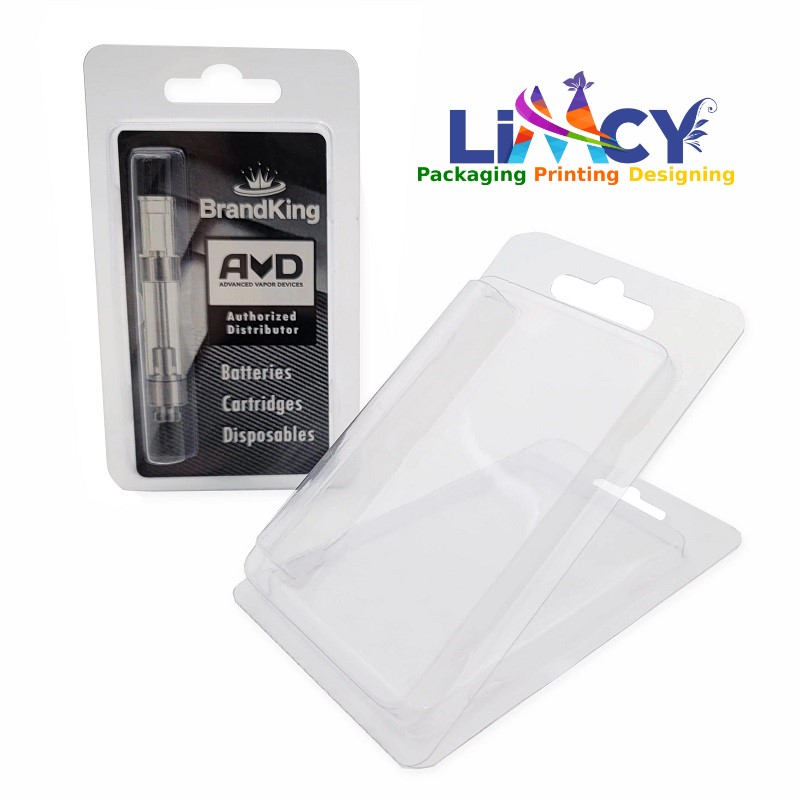
Blister packaging is a specialized form of packaging that employs pre-formed plastic cavities to securely hold small consumer goods.
It typically consists of a transparent plastic bubble made from materials such as PVC or PET, combined with a backing card made from paperboard or aluminum foil.
This backing card not only supports the blister but also provides space for product information and graphics. Commonly used for items like pharmaceuticals and electronics, blister packaging effectively showcases products while offering protection against tampering and contamination. The design can be tailored to meet specific product and retail display needs, making it a cost-effective packaging solution for many businesses. Blister packs are known for their tamper-evident features that help indicate any potential tampering to consumers. Also be aware that blister packaging can create barriers against moisture and contaminants, ensuring product integrity throughout its shelf life.
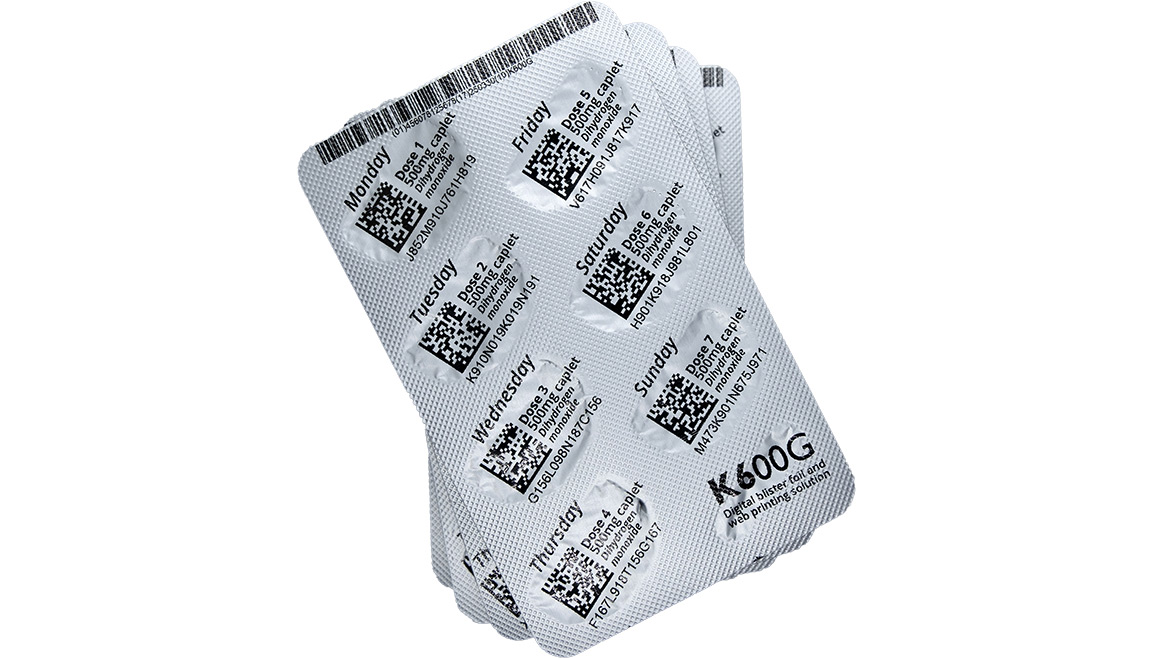
Brand Protection
Pill Protection & Aesthetic Appeal by packagingstrategies.com
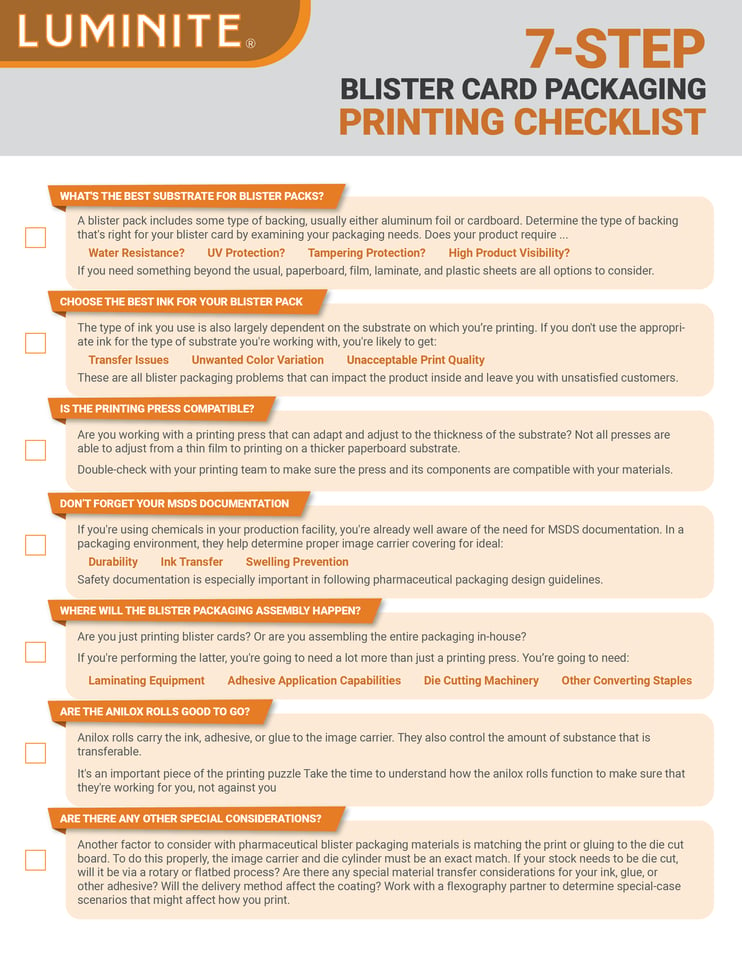
7-Step Blister Card Packaging Printing Checklist by blog.luminite.com
Benefits of Blister Packaging
The benefits of utilizing blister packaging are significant, particularly in sectors such as pharmaceuticals and consumer electronics. This packaging type features a blister cavity that provides a sealed environment, extending shelf life by protecting contents from air, moisture, and contaminants. The tamper evidence design enhances security, signaling any package compromise and ensuring product integrity. Blister packaging offers robust protection against damage during transportation, preserving the quality of delicate items. Its organized structure simplifies inventory management and medication compliance, making it advantageous for users. Also, the individual compartments help maintain product integrity until the consumer is ready to use them. Also be aware that the exceptional product visibility offered by clear plastic blisters helps attract consumers and promote brand awareness on retail shelves. Notably, blister packs support medication management effectively, especially for seniors and individuals with complex regimens.
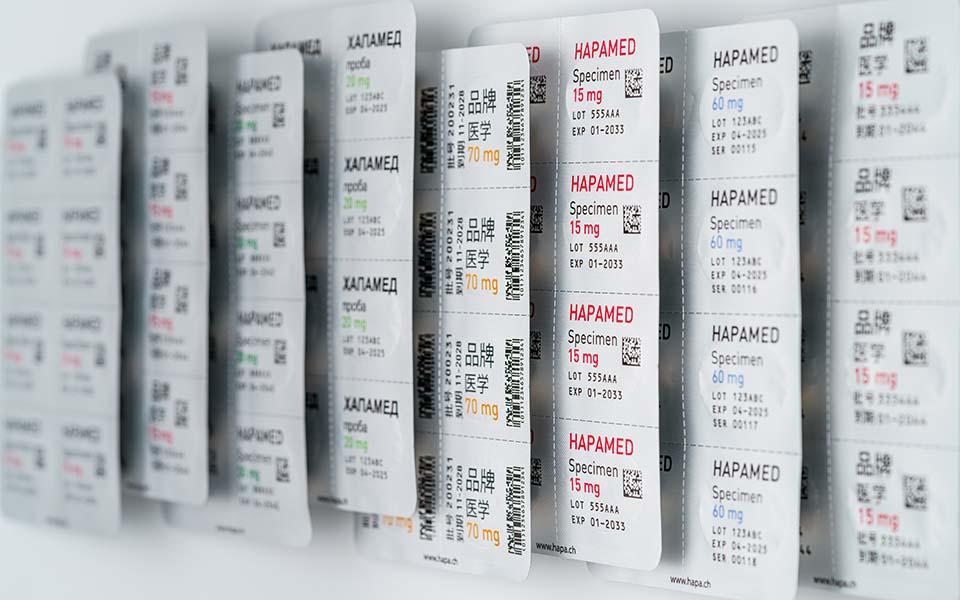
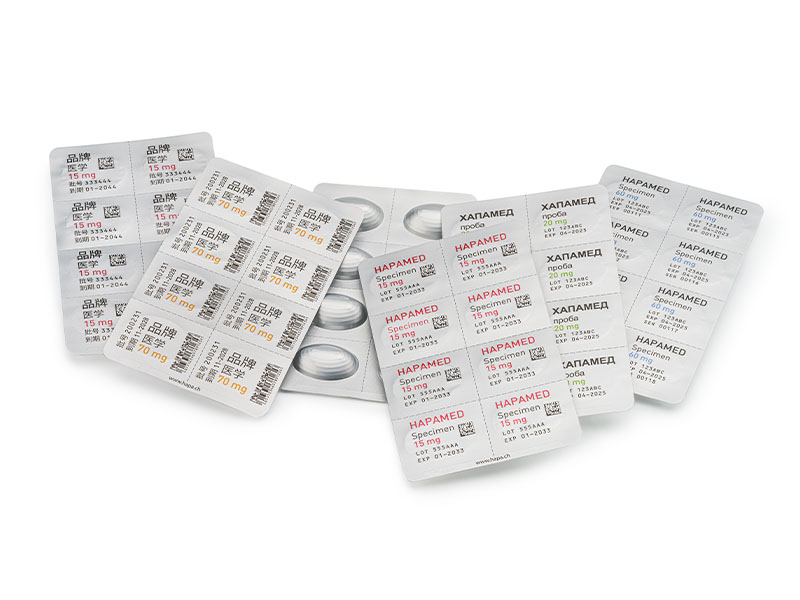
Digital Printing for Pharma Packaging - BlisterJet 807 CMYK by hapa.ch
Types of Blister Packaging
Various types of blister packaging serve distinct purposes across multiple industries, each designed to meet specific product requirements.
Thermoformable blister packs are commonly utilized in pharmaceuticals and food packaging, providing secure containment and product visibility. Plastic-Paperboard Blister Packaging is the most common packaging method in the retail market, offering flexibility for specific product needs. Single-seal blisters can be customizable based on package requirements, enhancing their adaptability to different product shapes and sizes.
Thermoformable blister packs offer secure containment and visibility, making them ideal for pharmaceuticals and food packaging.
Clamshell packaging, comprising two sealed halves, offers tamper resistance and is suitable for a range of lightweight products. Face Seal Blisters are cost-effective for high-volume applications, making them an ideal choice for products needing basic protection and display.
Blister cards enhance product visibility, allowing consumers to view items clearly.
Each type guarantees product protection while accommodating various shapes and sizes, demonstrating versatility across sectors such as electronics, cosmetics, and toys.
Common Materials Used in Blister Packaging
Materials used in blister packaging are critical to ensuring product protection and efficacy. Commonly utilized materials include PET (Polyethylene Terephthalate), which is recognized for its eco-friendliness and higher recyclability compared to PVC. Aluminum foil is frequently employed for lidding, providing robust barriers against light, oxygen, and moisture, essential for pharmaceuticals packaging. PVC remains prevalent due to its cost-effectiveness and adaptability, although it often requires coatings like PVDC to enhance barrier properties. Other high-performance options, such as PCTFE, offer superior moisture resistance but may be cost-prohibitive for standard applications, illustrating the diverse material landscape in blister packaging solutions. Barrier properties are crucial in protecting sensitive medications from damage and contamination. The use of eco-friendly materials is gaining traction in the industry, promoting sustainability while maintaining product integrity. Also, the choice of materials can significantly influence the durability and protection offered by the blister pack, ensuring that products remain safe during transportation and storage.
Applications of Blister Packaging
Blister packaging serves a wide array of applications across multiple industries, each requiring specific features to meet functional and regulatory demands.
Blister packaging caters to various industries, fulfilling unique functional and regulatory requirements for optimal product protection and compliance.
In pharmaceuticals, it provides unit dose and compliance packaging, ensuring medication safety. This type of packaging is essential for unit dose packaging as it reduces dosage errors and enhances patient safety. It helps keep the product fresh by sealing off air and moisture, which is crucial for maintaining medication quality. The user-centric designs of blister packaging also enhance ease of use for patients when accessing their medications.
Consumer electronics packaging leverages carded blister designs to protect sensitive components while offering anti-theft measures.
Toy packaging utilizes blister formats that deter theft and damage, ensuring product integrity on retail shelves.
Blister packaging is employed in food and beverage sectors for single-serve snacks, enhancing freshness and visibility.
These applications demonstrate blister packaging’s versatility and effectiveness in meeting diverse industry needs.
Printing by hapa.ch
Popular Wiki Terms:
Production Process of Blister Packaging
The production process of blister packaging involves several critical stages, starting with the forming of a plastic or aluminum foil sheet into specific cavities. This is typically achieved through thermoforming or cold forming techniques, utilizing a forming mold tailored to the product’s requirements. Following this, heat seal coating is applied to guarantee secure bonding between the formed cavities and the backing material. Quality control measures are implemented at various stages to verify seal integrity and product safety. The use of formable web in the design helps ensure that the formed pocket retains product shape and integrity. Finally, printed branding and compliance information is added, culminating in a product that meets both functional and regulatory standards for diverse applications. This process ensures that the packaging provides product protection against damage, tampering, and contamination, while also enhancing medication adherence through individual unit-dose packaging.
References & Data Sources:
https://visipak.com/what-is-blister-packaging/ – Retrieved April 27, 2025
https://en.wikipedia.org/wiki/Blister_pack – Retrieved April 29, 2024
https://sedpharma.com/news-events/what-is-a-blister-pack/ – Retrieved January 29, 2025
https://www.packagingstrategies.com/articles/104317-brand-protection-pill-protection-and-aesthetic-appeal – Retrieved April 22, 2025
https://blog.luminite.com/blog/blister-card-packaging-printing-checklist – Retrieved April 29, 2025
https://www.plasticingenuity.com/blog/6-benefits-blister-packaging/ – Retrieved April 29, 2025
https://www.ipharmachine.com/advantages-and-disadvantages-of-blister-packaging – Retrieved April 29, 2025
https://seniorresourceconnectmi.org/what-are-blister-packs-and-are-they-worth-it/ – Retrieved April 29, 2025
https://www.hapa.ch/en/solutions/product/blisterjet-807-cmyk – Retrieved April 29, 2025
https://www.ipharmachine.com/types-of-blister-packaging – Retrieved April 28, 2025
https://www.propac.com/custom-materials/blister/blister-packaging-types/ – Retrieved April 28, 2025
https://www.howtobuypackaging.com/types-of-packaging-the-blister-pack/ – Retrieved April 28, 2025
https://www.ipharmachine.com/what-materials-are-used-in-blister-packaging – Retrieved April 28, 2025
https://completepackaginggroup.com/thermoforming/what-materials-are-used-in-blister-packaging/ – Retrieved April 28, 2025
https://www.industrialpackaging.com/blog/blister-packaging-made-of – Retrieved April 28, 2025
https://www.ipharmachine.com/blister-packaging-applications – Retrieved April 28, 2025
https://www.ipharmachine.com/why-blister-packaging-is-used – Retrieved April 28, 2025
https://asiapack.com/comprehensive-guide-to-blister-packaging/ – Retrieved April 28, 2025
https://www.hapa.ch/en/printing – Retrieved April 28, 2025
https://www.ipharmachine.com/an-overview-of-blister-packaging – Retrieved April 28, 2025
https://www.ipharmachine.com/blister-packaging-process – Retrieved April 28, 2025