
Biodegradable Inks Definition
Biodegradable inks are formulations designed to decompose naturally through microbial action, providing a more environmentally friendly alternative to traditional petroleum-based inks. These inks typically utilize vegetable-based components, water-based resins, or innovative biodegradable materials such as algae. They offer reduced VOC emissions, enhancing air quality and minimizing health risks. Biodegradable inks facilitate easier recycling and align with sustainable packaging initiatives. Further exploration reveals their production processes, applications, and emerging technological advancements in the industry.
Definition and Basics of Biodegradable Inks
Biodegradable inks are specifically formulated to decompose naturally through microbial action, considerably reducing environmental persistence compared to traditional petroleum-based inks. These inks are designed to minimize pollution by avoiding harmful chemical leaching during disposal. Typically, they feature low VOC content, contributing to improved air quality and worker safety. Innovations in materials science have led to the development of biodegradable inks that utilize renewable resources, enhancing their sustainability profile. Also, non-toxic pigments are employed, eliminating heavy metals and hazardous additives. The growing popularity of eco-friendly inks reflects a shift toward more sustainable printing practices, ensuring that brands can effectively communicate their commitment to the environment. Using water-based inks can further enhance the eco-friendliness of biodegradable inks by reducing harmful emissions during the printing process.

Eco-Friendly Inks: Types

Benefits
Composition and Materials Used in Biodegradable Inks
The composition of biodegradable inks primarily involves the use of renewable materials that contribute to their environmentally friendly characteristics. Common components include vegetable-based inks derived from sources such as soy, canola, and linseed oil, which offer low volatile organic compound (VOC) emissions. These inks often utilize pigments sourced from natural origins, ensuring sustainability. Water-based inks, primarily made with acrylic resins, serve as a non-toxic alternative. Innovative algae inks, derived from biodegradable algae cells, represent a carbon-negative option. This is particularly significant because algae absorbs CO2 and produces oxygen, enhancing the performance and ecological benefits of biodegradable inks in various printing applications, aligning with eco-friendly ink’s benefits such as a lower environmental footprint. Also, the transition to sustainable inks is becoming essential as consumers increasingly demand environmentally responsible packaging solutions.
Trends - Meyers by meyers.com
Environmental Impact of Biodegradable Inks
The environmental impact of biodegradable inks is significant in the context of sustainable printing practices. These inks, derived from renewable resources like soybean oil, reduce reliance on non-renewable fossil fuels, contributing to resource conservation. Using biodegradable inks helps to mitigate the environmental impact of traditional ink, as they do not contain harmful chemicals and are often biodegradable. They emit fewer volatile organic compounds (VOCs), improving air quality and minimizing health risks for workers in environmentally-focused corporations. Biodegradable inks promote easier recycling, aligning with the goals of organic food brands for sustainable packaging. As demand for eco-friendly printing increases, adherence to sustainability standards enhances brand reputation, supporting market growth and regulatory compliance in efforts to foster a cleaner, healthier environment. Also, the projected market growth for eco-friendly inks indicates a rising demand for sustainable packaging, which further reinforces the importance of adopting biodegradable options. Notably, algae-based inks present an innovative sustainable solution that is carbon-negative and biodegradable, offering a promising alternative to traditional ink formulations.
Production Processes and Applications
Innovative production processes for biodegradable inks leverage renewable resources and advanced technologies to minimize environmental impact. Biodegradable formulations utilize materials such as soy and algae, which are abundant and sustainable. These inks are produced through methods like flexographic printing, which greatly reduces volatile organic compound emissions. Soy-based inks, for instance, emit fewer VOCs compared to traditional petroleum-based inks. Eco-friendly inks minimize environmental damage using renewable resources and non-toxic substances. Renewable energy sources, including solar and wind, are integrated into manufacturing to lower carbon footprints. In addition, advanced recycling techniques guarantee compatibility with existing recycling processes, promoting waste reduction. Applications span various industries, including packaging and textiles, where sustainable ink production aligns with eco-conscious practices and supports initiatives aimed at decreasing environmental degradation. The adoption of sustainable inks can attract environmentally conscious clients, further encouraging businesses to embrace greener practices.

Custom printed biodegradable coffee bags: Sustainable inks by mtpak.coffee

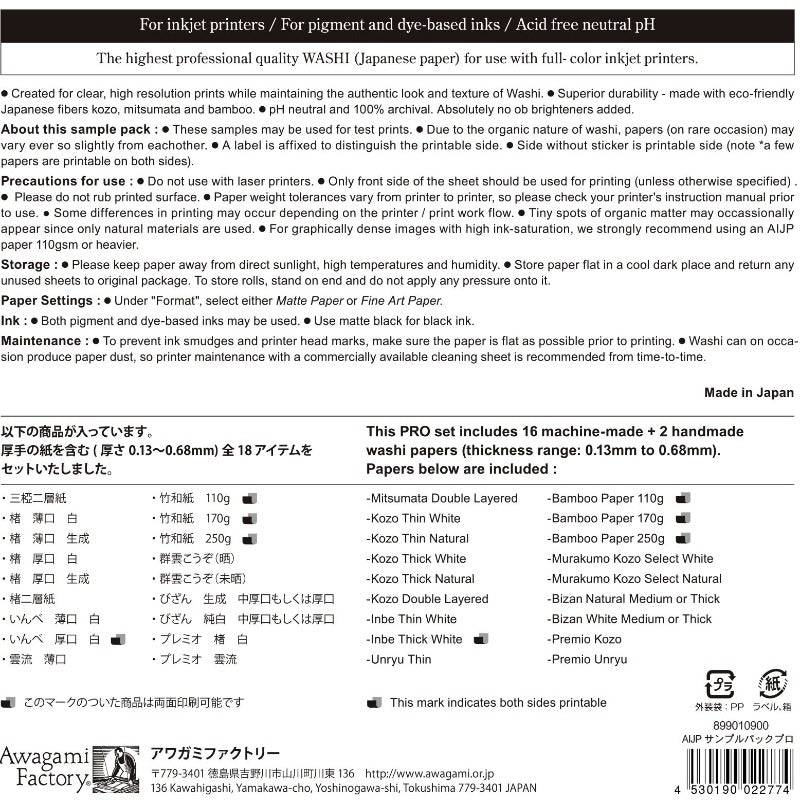
AIJP Pro Sample Pack (18 Sheets) by awagami.com
Benefits and Advantages of Using Biodegradable Inks
Biodegradable inks offer numerous benefits that enhance both environmental sustainability and operational efficiency in printing processes.
These inks utilize renewable resource utilization, derived from soy, algae, and vegetable oils, which reduces reliance on fossil fuels. They also produce lower VOC emissions, improving air quality and offering health and safety benefits for workers by minimizing toxic exposure. Also, biodegradable inks often result in brighter, more vibrant colors, enhancing the visual appeal of printed materials. Using eco-friendly inks minimizes the contribution to air and water pollution, further supporting a cleaner environment. These inks promote eco-friendly printing practices by aligning with sustainable manufacturing initiatives.
Improved recyclability of printed materials supports sustainable print solutions, facilitating cleaner recycling processes and maintaining paper fiber quality.
Biodegradable inks align with waste management initiatives, breaking down naturally and contributing to a circular economy while reducing hazardous waste production in printing facilities.
Popular Wiki Terms:
Future Trends and Developments in Biodegradable Ink Technology
As the demand for sustainable printing solutions grows, advancements in biodegradable ink technology are emerging to meet this evolving market. Innovations such as algae-based inks and solvent-free chemistries are gaining traction due to their eco-friendly attributes. Increasingly, compostable inks are being utilized in sustainable packaging for single-use applications. The development of conductive and thermochromic inks further enhances versatility across various substrates. AI-assisted color management is improving formulation efficiency. As consumer awareness rises, strategic partnerships among manufacturers and brand owners will be essential for fostering a sustainable print ecosystem, ensuring compliance with international environmental standards while offering biodegradable materials. Also be aware that the creation of additive-free graphene-based inks demonstrates a significant step toward more sustainable and functional printing solutions. To further support sustainable practices, brands must innovate and adapt to remain relevant in the market. Investing in advanced DTF printers that utilize these biodegradable inks can also enhance production efficiency and reduce overall costs.
References & Data Sources:
https://sustainability-directory.com/term/eco-friendly-inks/ – Retrieved April 29, 2025
https://www.mohawkconnects.com/article/mohawk-blog/what-are-eco-friendly-inks – Retrieved May 1, 2024
https://www.ecoenclose.com/blog/what-is-the-most-sustainable-ink/ – Retrieved February 1, 2025
https://magazine.colostate.edu/living-ink-grows-into-sustainable-printing/ – Retrieved April 24, 2025
https://meyers.com/meyers-blog/eco-friendly-inks-for-packaging-types-benefits-trends/ – Retrieved May 1, 2025
https://packoi.com/blog/environmentally-friendly-ink/ – Retrieved May 1, 2025
https://www.papercut.com/blog/insights/why-eco-friendly-ink-matters-when-it-comes-to-print-sustainability/ – Retrieved May 1, 2025
https://www.futuremarketinsights.com/reports/eco-friendly-inks-market – Retrieved May 1, 2025
https://www.sustainablemanufacturingexpo.com/en/articles/latest-trends-sustainable-ink.html – Retrieved May 1, 2025
https://packoi.com/blog/soy-based-ink-and-printing/ – Retrieved April 30, 2025
https://www.petronaftco.com/make-ink-sustainable/ – Retrieved April 30, 2025
https://blog.focuslabel.com/stay-environmentally-friendly-using-eco-inks – Retrieved April 30, 2025
https://mtpak.coffee/2024/08/custom-printed-biodegradable-coffee-bags-inks/ – Retrieved April 30, 2025
https://awagami.com/products/aijp-pro-sample-pack-18-sheets – Retrieved April 30, 2025
https://www.beltsalon.com/post/the-eco-friendly-revolution-11-benefits-of-plant-based-inks – Retrieved April 30, 2025
https://www.brandlabelinc.com/post/the-benefits-of-using-eco-friendly-inks-in-label-printing – Retrieved April 30, 2025
https://permaset.com.au/inspiration/environmental-benefits-of-water-based-inks/ – Retrieved April 30, 2025
https://phys.org/news/2025-02-eco-friendly-ink-graphene-potential.html – Retrieved April 30, 2025
https://www.kaocollins.com/inktank/ink-printing-trends-2025/ – Retrieved April 30, 2025
https://alerondigital.com/blogs/blog/the-evolution-of-dtf-printing-technology-what-you-need-to-know-in-2025 – Retrieved April 30, 2025