
Acrylic Definition
Acrylic is a synthetic polymer made primarily from acrylate monomers, such as methyl methacrylate. It possesses a versatile chemical structure characterized by carbon chains and ester side groups. Acrylic exhibits thermoplasticity, allowing it to be molded upon heating. Its non-crystalline nature provides high optical clarity and durability, making it suitable for various industrial applications. Acrylic can be formulated for specific uses, providing enhanced mechanical strength and flexibility. More detailed information reveals its extensive applications and properties.
Chemical Composition of Acrylic Polymers
Acrylic polymers are primarily composed of monomers such as methyl methacrylate (MMA), ethyl acrylate, and acrylonitrile, each contributing distinct properties to the resulting polymer structure.
The chemical composition of acrylic polymers is characterized by a backbone of carbon chains with ester side groups, allowing for versatile applications in UV acrylic printing and the production of acrylic signs. These polymers exhibit thermoplasticity, enabling them to be molded when heated, and their non-crystalline structure guarantees optical clarity. Modifications through copolymerization enhance attributes such as flexibility and strength, making acrylic polymers suitable for various industries, including retail and hospitality. Notably, acrylic elastomers are known for their heat and oil resistance, which further broadens their usability in applications such as automotive packaging. Also, acrylic serves as an excellent substitute for glass in various applications. The incorporation of multiple monomers in the polymerization process significantly influences the physical and chemical properties of the final product.

ORDER SAMPLES (For Invitations Only) by claritynco.com
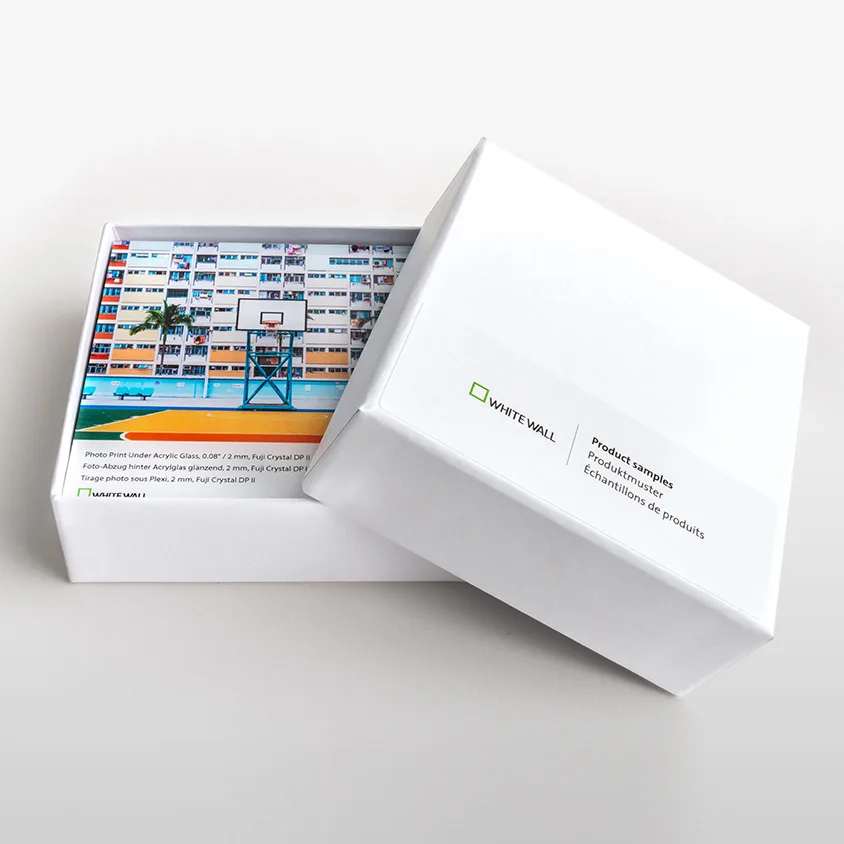
Sell Your Images by whitewall.com
Types of Acrylic Polymers
The classification of acrylic polymers encompasses several distinct categories based on their monomer composition, physical form, and functional properties. Basic acrylates yield rigid polymers, while long-chain acrylates produce flexible variants. Co-monomers enhance mechanical strength, and vinyl-acrylic hybrids improve adhesion. Physically, acrylics can be solid resins, water-soluble, or UV-curable resins, the latter being particularly relevant for rapid prototyping and custom acrylic printing. Functional classifications include high-Tg polymers for rigidity and impact-modified grades for durability. Acrylic polymers are essential for the manufacturing of various products, contributing significantly to product functionality and user experience. The incorporation of functionalized copolymers improves solvent and oil resistance, enhancing the overall performance of acrylic products. Also be aware that different types of solid acrylic resins exhibit good tensile and bending properties that make them suitable for a wide range of applications, ensuring reliability and strength in their use. High-resolution image preparation benefits from these diverse types, ensuring ideal performance in applications such as retail signage and corporate branding displays.

UV Printing on Wood Products Custom Wood Sign Printing - uv ... by colorjetindustry.com
Manufacturing Processes for Acrylic
Manufacturing processes for acrylic encompass a variety of methods, each suited to specific applications and production scales.
The extrusion process involves heating acrylic and forming it into rigid shapes, while the casting process entails pouring hot acrylic into molds for more homogeneous products.
Polymerization is an essential initial step, mixing methyl methacrylate with catalysts to create acrylic. Polymethyl methacrylate is the most common type of acrylic used in these processes. Acrylic is known for its high impact resistance, making it a preferred choice in applications requiring durability.
Techniques vary, including batch cell polymerization for custom sheets and continuous bulk polymerization for large-scale production. Visual clarity is a crucial property that can be influenced by the chosen manufacturing method, ensuring that the final product meets the desired standards for its intended use.
Each method impacts the final product’s properties, such as optical clarity and mechanical strength, highlighting the importance of choosing the appropriate manufacturing technique.
Applications of Acrylic in Products
Applications of acrylic span various industries due to its versatility and advantageous properties.
Acrylic’s versatility and beneficial properties make it a vital material across diverse industries.
In construction, it serves as skylights and decorative wall panels, enhancing aesthetics and functionality. The automotive sector utilizes acrylic for lightweight, impact-resistant components like windshields and lighting systems, making it a superior alternative to heavier materials. Additionally, bullet-resistant acrylic is increasingly used in security applications, providing a transparent safeguard in areas requiring protection. Acrylic products are crafted from high-quality materials, ensuring durability and long-lasting performance.
In healthcare, acrylic is crucial for medical device parts and sterilizable containers. Consumer goods benefit from acrylic in eyeglass lenses and bathtubs.
Retail signage often employs direct-to-acrylic printing for vibrant displays, while photo prints on acrylic offer a modern approach to art presentation.
This material’s adaptability makes it an essential choice across multiple fields.
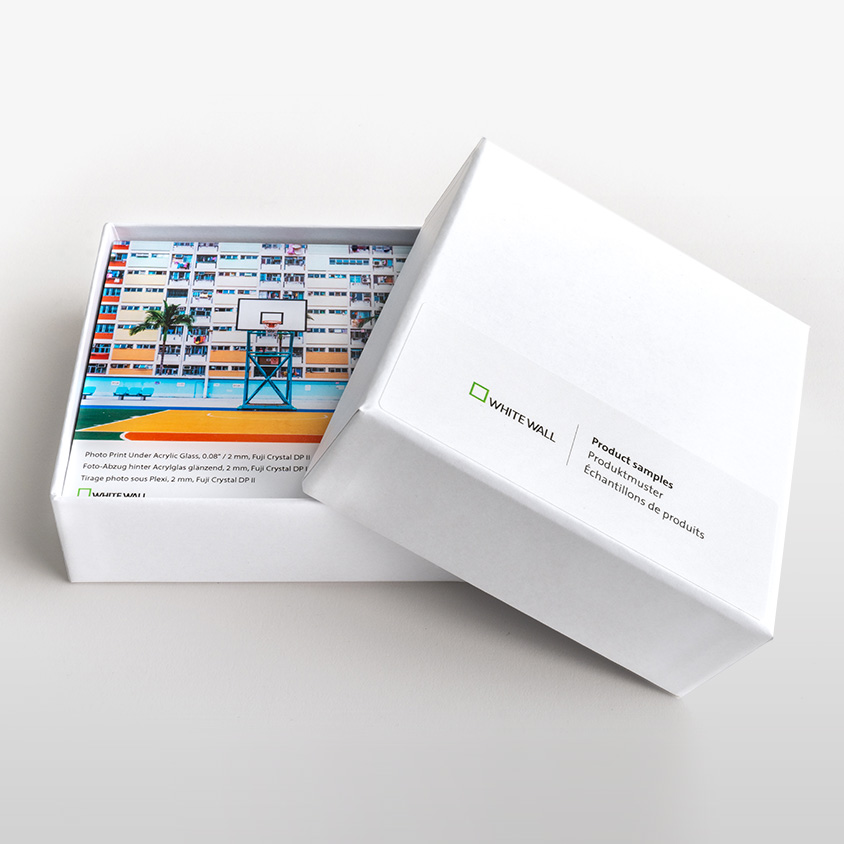
Sell Your Images by whitewall.com
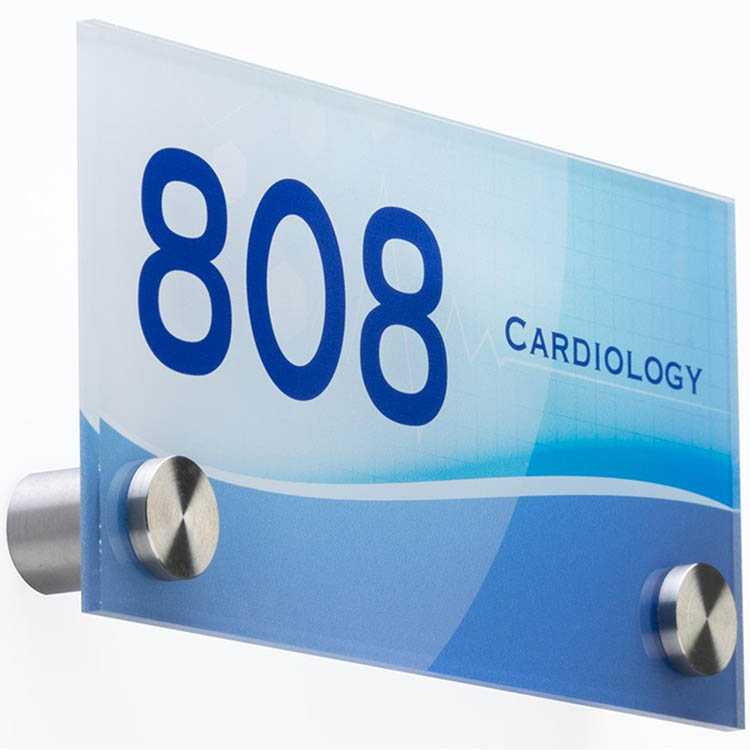
UV printing samples - Shanghai Rainbow Industrial Co.
Properties and Characteristics of Acrylic
Acrylic, known for its exceptional optical clarity and versatility, is a synthetic polymer widely utilized across various industries. The properties of acrylic include high transparency, with up to 92% light permeability, and significant durability, making it less prone to breakage than glass. Its chemical structure, derived from acrylic acid, features a double bond that enables polymerization into forms like polyacrylates and polymethyl methacrylate (PMMA). Physical characteristics such as lightweight composition, elasticity, and weather resistance enhance its applicability. Acrylic’s ability to retain its properties during shaping processes further contributes to its status as a preferred material in diverse applications. Acrylic is known for being the top plastic for laser cutting, which allows for precise and intricate designs. Its thermoplastic nature enables it to be easily molded into various shapes while maintaining robust and clear characteristics. Also, acrylic polymers are essential in pressure-sensitive adhesives, providing effective bonding in products like shipping labels and insulating tape.
Popular Wiki Terms:
Industrial Uses of Acrylic Polymers
The versatility of acrylic polymers extends beyond their optical properties, finding numerous applications across various industrial sectors. They are integral to UV flatbed printing and screen printing on acrylic, enabling high-quality graphics for signage and displays. In the graphic arts, acrylics are utilized for overprint varnishes, delivering water resistance and gloss. Acrylics enhance adhesion in construction materials and coatings, providing durability and chemical resistance. Their application in medical devices and automotive components further underscores their significance. Effective color profiling for transparency effects is essential in achieving desired visual outcomes, ensuring acrylic products meet the specific needs of diverse industries. Also be aware that their durability makes acrylic coatings resistant to weathering and UV light, further enhancing their suitability for outdoor applications. Acrylic polymers, composed of acrylate monomers, offer unique properties that contribute to their widespread industrial use. Also, their biocompatibility has led to increased use in various medical applications, ensuring safety and effectiveness in patient care.
References & Data Sources:
https://en.wikipedia.org/wiki/Acrylate_polymer – Retrieved April 28, 2025
https://study.com/learn/lesson/what-is-acrylic-polymer-made-of.html – Retrieved April 30, 2024
https://ontosight.ai/glossary/term/acrylic-polymer-composition-and-uses--67a061aa6c3593987a4b77ab – Retrieved January 30, 2025
https://www.claritynco.com/order-samples-new-1.html – Retrieved April 23, 2025
https://www.whitewall.com/us/sell-your-photos/shopify – Retrieved April 30, 2025
https://capitalresin.com/popular-types-of-acrylic-polymer/ – Retrieved April 30, 2025
https://www.gantrade.com/blog/key-facts-about-acrylate-monomers – Retrieved April 30, 2025
https://www.schem.net/blog/classification-and-basic-characteristics-of-acrylic-resin_b28 – Retrieved April 30, 2025
https://www.colorjetindustry.com/a2-wood-uv-printer.html – Retrieved April 30, 2025
https://www.cutmy.co.uk/ideas-advice/how-acrylic-is-made/ – Retrieved April 29, 2025
https://www.hpmanufacturing.com/acrylic-and-acrylic-fabrication-guide/ – Retrieved April 29, 2025
https://www.polymershapes.com/acrylic-plastic-fabrication-benefits-processes/ – Retrieved April 29, 2025
https://www.emcoplastics.com/acrylic/ – Retrieved April 29, 2025
https://lairdplastics.com/resources/facts-and-innovative-uses-of-acrylic-plastic/ – Retrieved April 29, 2025
https://www.plexiglas.de/en/industries – Retrieved April 29, 2025
https://www.xometry.com/resources/materials/acrylic-pmma/ – Retrieved April 29, 2025
https://zetarmold.com/acrylic-material-characteristics/ – Retrieved April 29, 2025
https://www.mcpolymers.com/library/acrylic-polymers – Retrieved April 29, 2025
https://shebpaint.com/2024/12/12/industrial-paint-coatings-101-what-are-acrylic-resins/ – Retrieved April 29, 2025
https://www.gellnerindustrial.com/blog/guide-acrylic-polymers/ – Retrieved April 29, 2025
https://www.mddionline.com/business/acrylic-polymers-a-clear-focus – Retrieved April 29, 2025